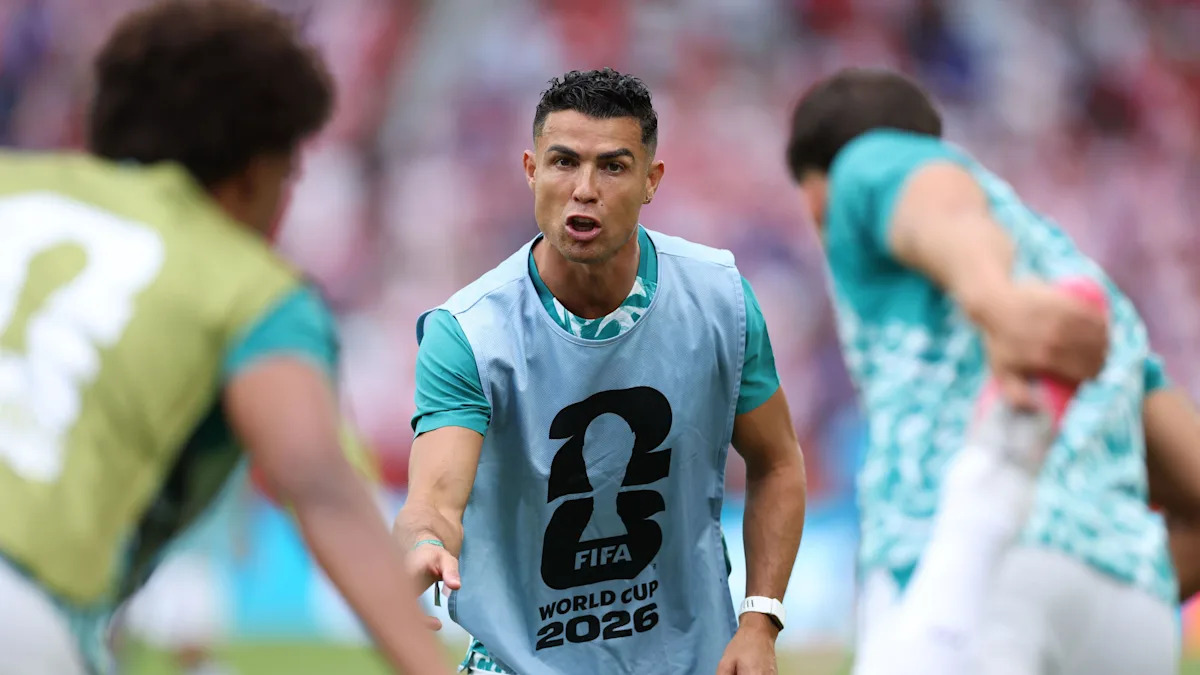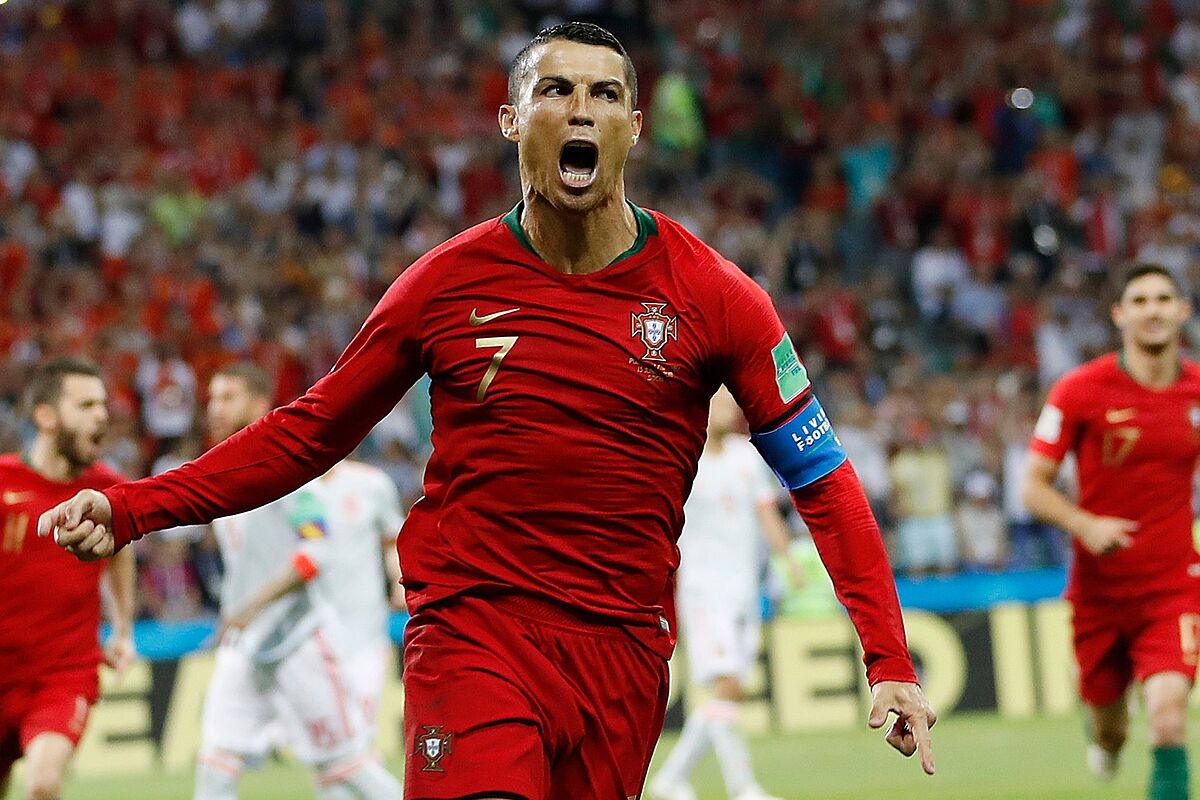
The Round of 16 fixture between Portugal and Croatia on July 2, 2026, serves as a critical inflection point in professional sports science. Cristiano Ronaldo’s participation at age 41 is not merely a statistical anomaly but a structural shift in the lifecycle of elite athletes. Validated by Opta, this milestone represents the first instance of a player entering the World Cup knockout phase in his fifth decade, challenging established protocols in squad management and biological aging limits.
Human Capital Preservation and Tactical Adaptation
Ronaldo’s sixth World Cup appearance is the dividend of a twenty-year strategic investment in physiological maintenance. By extending his international utility, he has effectively disrupted the standard depreciation curve for forwards. The Portuguese technical staff’s decision to retain Ronaldo as a starter indicates a prioritization of tactical intelligence and positional gravity over high-intensity pressing metrics. This operational shift suggests that his marginal utility in high-leverage moments outweighs the opportunity cost of integrating younger, high-velocity assets.
Quantitative Analysis: Defying the Athletic Decline Curve
Statistical evidence from the 2026 tournament highlights a non-linear performance trajectory. Entering the competition with 8 career World Cup goals, Ronaldo’s 3-goal contribution in this edition brings his cumulative total to 11. This resurgence—following a single-goal output in 2022—demonstrates a successful recalibration of his role within Portugal’s offensive architecture. His scoring consistency across two decades (2006–2026) validates the federation’s decision to maintain him as a primary offensive pivot, leveraging his experience to navigate the low-margin environment of international knockouts.
Commercial Equity and Institutional Transformation
The ‘Last Dance’ narrative provides substantial commercial tailwinds for FIFA and the Portuguese Football Federation (FPF). Ronaldo’s presence drives global engagement metrics that underpin the tournament’s broadcasting valuation. Beyond revenue, his tenure has repositioned Portugal from a regional power to a global commercial entity. This ‘Brasil de Europa’ branding is anchored in Ronaldo’s individual equity, which continues to command sponsorship premiums and elevate the FPF’s market positioning even in the twilight of his career.
Strategic Succession and the Signaling of an Era’s End
The disclosure regarding Ronaldo’s likely post-2026 retirement introduces a critical phase of succession planning. This signaling allows stakeholders—from technical directors to commercial partners—to begin de-risking the transition away from a centralized leadership model. The post-Ronaldo era will require a fundamental reassessment of Portugal’s technical identity, testing the federation’s ability to maintain competitive parity without its most significant historical asset.
Conclusion: The Structural Legacy of the 41-Year-Old Professional
Ronaldo’s 2026 campaign redefines the parameters of professional discipline. The performance data generated will likely serve as a longitudinal case study for future sports medicine and coaching methodologies. Regardless of the final result against Croatia, the institutional precedents set during this tournament have fundamentally altered the expected duration of peak athletic performance in the global football industry.