NL Central Dynamics: A Crucial Divisional Clash
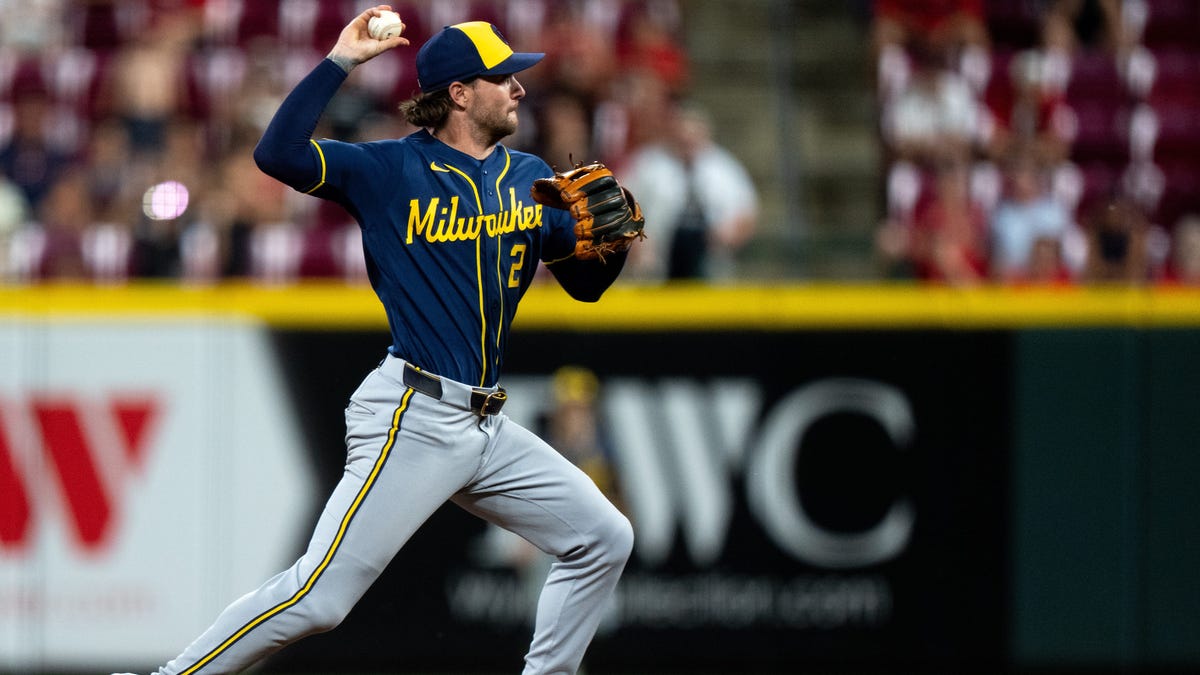
The upcoming four-game series between the Milwaukee Brewers and the Cincinnati Reds at American Family Field presents a critical inflection point in the National League Central. With the Brewers currently holding a 5.5-game lead, this series is a direct examination of organizational depth and the sustained performance required to maintain a divisional advantage amidst offensive fluctuations.
Milwaukee enters the series with a 50-41 record, while Cincinnati stands at 39-43, trailing by 11.5 games. This standings disparity underscores Milwaukee’s structural lead, yet recent performance metrics suggest the division race remains highly susceptible to shifts in run production and bullpen efficacy.
Roster Management and Injury Impact
Milwaukee’s recent roster decisions have been driven by the immediate need to bolster left-handed relief pitching. The activation of Jared Koenig from the injured list addresses a critical deficit, a bullpen that had been significantly thinned, leaving Aaron Ashby as the primary left-handed option for high-leverage situations.
Cincinnati faces its own significant operational challenges, primarily concerning player health and availability. The status of shortstop Elly De La Cruz (managing a twisted ankle) and third baseman Eugenio Suárez (awaiting a CT scan for a hand injury) introduces substantial uncertainty into the Reds’ lineup construction for this pivotal series.
Offensive Trends and Run Differential Analysis
Despite boasting a +120 run differential—second best in MLB—the Brewers have experienced a noticeable cooling in offensive output. Averaging only four runs per game over their last 12 contests, the team has relied on isolated high-scoring performances, masking a broader trend of reduced production in intervening games. This reliance on sporadic offensive surges creates a strategic dependency on pitching and defense.
The Brewers’ ability to limit the Reds to just six runs across their previous three-game meeting highlights the efficacy of their current pitching strategy. This resilience is crucial, especially with key contributors potentially being managed or unavailable in specific matchups.
Pitching Matchups and Strategic Leverage
The series opener pits the Reds’ Nick Lodolo (2-2, 5.59 ERA) against the Brewers’ Robert Gasser. Lodolo’s statistical profile presents an opportunity for the Brewers to capitalize on as they aim to re-establish offensive consistency.
The series finale on July 2 is anticipated to feature a high-leverage pitching scenario, potentially involving emerging talent like Jacob Misiorowski. The effective deployment of specialized pitching assets in late-series situations will be a defining factor for both clubs.
Institutional Implications for the NL Central Race
The concentrated frequency of divisional matchups—two series within a two-week span—amplifies the competitive pressure. The Brewers aim to extend their lead, while the Reds must navigate injury-induced volatility to remain competitive in the division standings. The outcome of this series will significantly influence the momentum heading into the latter half of the season.
Broader NL Central market implications hinge on the sustainability of current performance trends. As the season progresses towards its midpoint, front offices’ capacities to address roster deficiencies—such as the Brewers’ bullpen depth or the Reds’ injury management—will be paramount in determining the long-term viability of their respective postseason aspirations.
This series encapsulates the mid-season adjustments necessary for sustained competitiveness. While the Brewers maintain a significant structural lead, offensive consistency and the impact of player injuries remain the primary variables dictating the NL Central’s trajectory.