
Thermoregulatory Optimization as a Competitive Imperative
Jannik Sinner’s recent integration of specialized heat-acclimatization protocols represents a sophisticated evolution in his operational methodology. As the ATP World No. 1, Sinner is no longer merely refining his technical repertoire; he is addressing the physiological constraints that have historically compromised his performance during high-stakes environmental stress. This shift from reactive recovery to proactive environmental management is a strategic necessity for maintaining dominance across the ATP Tour’s diverse climates.
Addressing the Durability Deficit
The impetus for this strategic pivot stems from recurring instances where Sinner’s physical output deteriorated under thermal load. These episodes—characterized by acute cramping and reduced kinetic efficiency—suggested a systemic vulnerability in his thermoregulatory baseline. By acknowledging these thresholds, Sinner’s camp has moved toward a data-driven training model designed to elevate his sweat-rate efficiency and plasma volume expansion, crucial for sustained output in extreme conditions.
The Science of Environmental Conditioning
Sinner’s current regimen involves controlled exposure to hyperthermic conditions, a method validated by sports science to enhance homeostatic stability. This acclimatization process reduces the heart rate response to heat and improves electrolyte retention, effectively lowering the metabolic cost of high-intensity play. For a player whose game is built on high-velocity baseline exchanges, these marginal physiological gains are the difference between a mid-match collapse and a fifth-set victory.
Strategic Resilience and Market Stability
Beyond the court, Sinner’s physical durability is a critical variable for his commercial and institutional standing. As a premier asset for the sport, his ability to mitigate the ‘volatility risk’ of injury or heat-induced retirement is essential. These training adjustments signal to competitors and stakeholders alike that the world No. 1 is insulating his career against the environmental variables that have previously derailed his Grand Slam momentum. This transition marks his maturation into a holistic athlete, where physiological resilience is treated with the same precision as his world-class backhand.

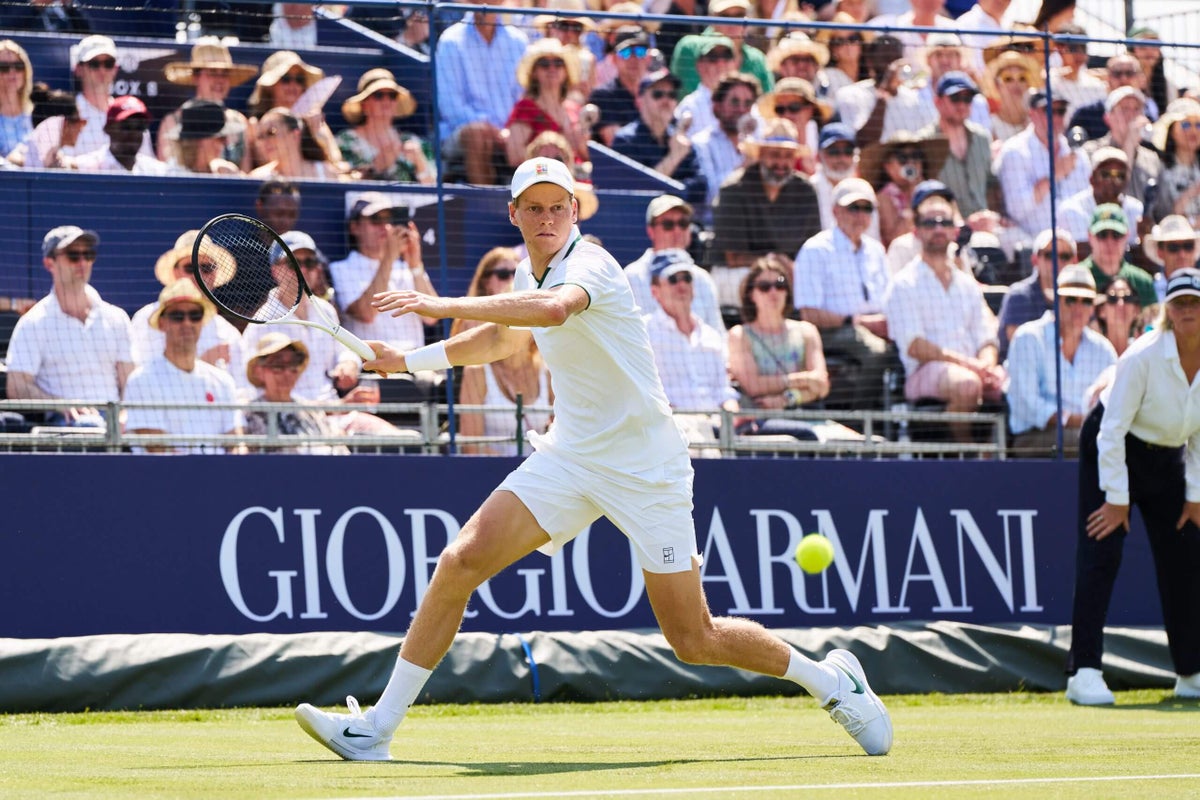
Photo by JeanFiFou on Pixabay.