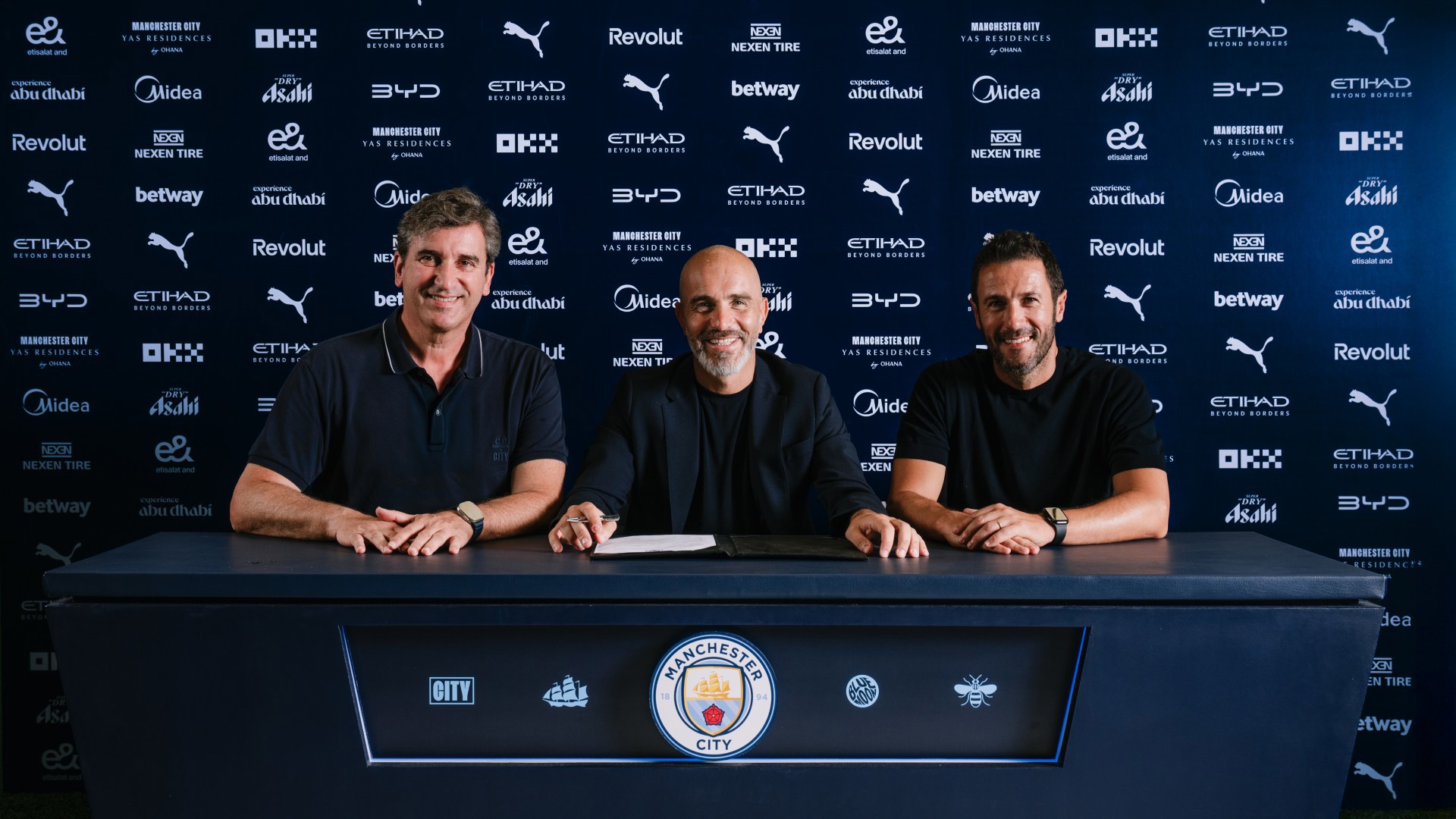
The appointment of Enzo Maresca as Manchester City’s successor to Pep Guardiola represents a watershed moment in elite football governance. This transition has illuminated the stark contrast between proactive succession planning and the operational vulnerability inherent in mid-season managerial turnover. While Manchester City frames the move as a calculated evolution of their tactical identity, Chelsea FC’s public response underscores the deep systemic shocks caused by the breach of long-term project commitments.
The Mechanics of Mid-Season Disruption
Chelsea FC’s 2025/26 campaign was fundamentally destabilized by Maresca’s unexpected resignation in December 2025, finalized on January 1, 2026. The timing was particularly deleterious, coinciding with the high-intensity winter fixture period where tactical continuity is paramount. The club’s internal reports suggest that Maresca’s focus shifted as early as autumn 2025 upon identifying the vacancy at the Etihad Stadium, creating a lame-duck period that compromised Stamford Bridge’s sporting trajectory just one year into a long-term project.
Contractual Asymmetry and Managerial Leverage
The Maresca departure highlights a growing crisis in the enforceability of managerial contracts. Despite a multi-year agreement lacking unilateral termination rights, Maresca was able to force an exit, proving that in elite sports, personal ambition and strategic alignment often supersede legal frameworks. Chelsea’s inability to retain a manager against his will, despite his contractual status, illustrates the limited leverage clubs hold when a ‘destination job’ becomes available. This precedent raises significant questions regarding the future of financial protection clauses and non-compete agreements for head coaches.
Manchester City: A Blueprint for Institutional Continuity
In contrast to Chelsea’s reactive posture, Manchester City’s acquisition of Maresca exemplifies proactive organizational design. Following Guardiola’s departure, CEO Ferran Soriano and Chairman Khaldoon Al Mubarak executed a succession plan rooted in cultural and tactical familiarity. Maresca’s third stint at the club—having previously led the Elite Development Squad and served as a first-team assistant—virtually eliminates the integration risks typically associated with a new regime. By securing him through 2029, City has prioritized the preservation of a specific footballing philosophy over external market speculation.
The Operational Cost of Leadership Vacuums
The administrative burden of a mid-season resignation extends beyond the dugout. For Chelsea, the departure necessitated an immediate redirection of executive resources toward headhunting and staff restructuring, often at the expense of January transfer window planning. Such disruptions create a ripple effect: scouting priorities shift, player development pathways are interrupted, and the squad’s psychological buy-in to a unified vision is fractured. Chelsea’s transparency regarding their disappointment serves as a cautionary tale on the risks of building a club’s identity around a single coaching figure without robust institutional safeguards.
Comparative Governance: Reactive vs. Proactive Models
The divergent paths of these two clubs offer a case study in modern sporting governance. Chelsea’s experience reveals the fragility of a high-investment model when it lacks managerial stability, whereas Manchester City’s success stems from a self-sustaining ecosystem where the system is larger than the individual. Maresca himself noted that City’s environment—characterized by innovation and meticulous planning—provides a foundation that allows for seamless transitions. This institutional resilience remains the primary differentiator in maintaining competitive dominance during periods of leadership change.
Future Implications for the Football Ecosystem
As the industry analyzes the fallout of this move, clubs are likely to shift toward more stringent contractual protections to mitigate the financial and competitive losses of mid-season turnover. The Maresca saga proves that tactical alignment and internal familiarity are the most valuable currencies in the modern game. For Manchester City, the goal is to sustain a decade of dominance; for Chelsea, the challenge is to rebuild an organizational structure that can withstand the volatile nature of managerial ambition.