World Cup 2026: Group Stage Concludes, Knockout Contenders Emerge
The 2026 FIFA World Cup’s expanded 48-team group stage is concluding, narrowing the field to 32 for the knockout rounds. This transition highlights significant competitive shifts, with a strong contingent of top-ranked nations advancing.
FIFA’s official rankings confirm that 18 of the top 20 teams are still in contention, validating current global footballing hierarchies and setting the stage for intense elimination bracket matchups.
Elite Dominance and Shifting Power Dynamics
Argentina, France, and Spain lead the charge, reflecting sustained performance and international pedigree. Their consistent presence at the top underscores robust strategic foundations and execution crucial for tournament success.
However, results have already introduced dynamism, indicating that established orders are not immutable. Teams are demonstrating current form and adaptability, moving beyond historical performance metrics.
United States’ Position and Strategic Outlook
The United States men’s national soccer team, ranked 14th by FIFA, approaches its final group match against Turkey. This ranking places them among the elite, yet emphasizes the competitive pressure from all sides.
Their final group stage performance is critical for progression and subsequent seeding, significantly impacting their long-term tournament trajectory.
Knockout Qualification and Early Exits
As of June 24, seven teams have qualified for the knockout rounds: Argentina, Colombia, France, Germany, Mexico, Norway, and the United States. This diverse group signifies varied strategic execution and successful initial campaigns.
Conversely, Haiti, Jordan, Panama, Tunisia, and Turkey have been eliminated. These early exits underscore the challenges of the expanded format and intense competition.
Individual Brilliance and Golden Boot Race
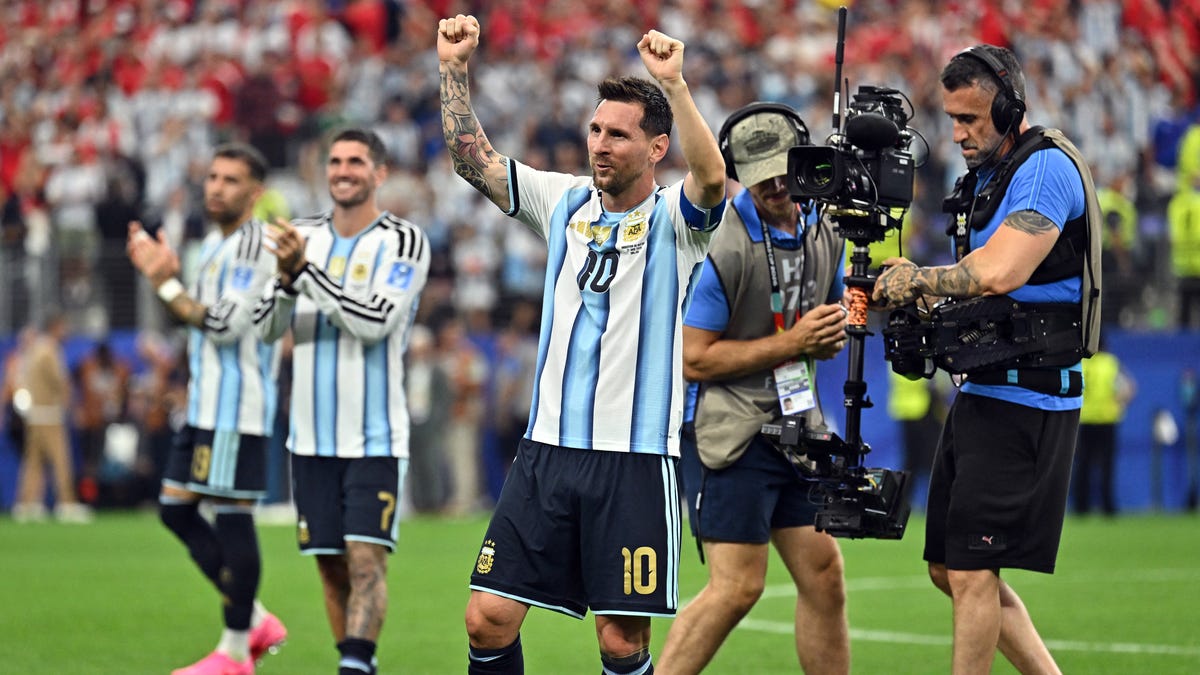
Individual talent shines, with 39-year-old Lionel Messi (Argentina) leading the Golden Boot race with five goals. His continued exceptional form highlights the impact of veteran leadership and peak performance.
Messi is ahead of Kylian Mbappe (France) and Erling Haaland (Norway), both with four goals, adding an individual narrative layer that reflects the offensive capabilities of their respective nations.
Analytical Models and Tournament Projections
Projection models, such as The Athletic’s, offer insights into bracket formation and the implications of subsequent round results. These data-driven tools are vital for stakeholders to assess potential pathways and competitive advantages.
Such models, informed by statistical analysis and performance data, provide a framework for understanding outcome probabilities and offer a data-driven perspective for strategic planning and risk assessment.
Round Two Surprises and Qualitative Insights
Qualitative reflections on surprising elements from round two provide counterpoints to quantitative analysis. Observations on the openness of matches, like Oliver Kay’s, highlight the unpredictable human element in sport.
These qualitative shifts can influence team morale, tactical adjustments, and competitive balance, offering a comprehensive view alongside objective metrics.
Strategic Impact of the Expanded Format
The 2026 World Cup’s expansion to 48 teams fundamentally alters tournament structure and dynamics, necessitating robust qualification and introducing greater diversity early on.
Strategically, the format offers emerging nations invaluable global experience, while demanding greater squad depth and tactical flexibility from established powers over a longer tournament.
Commercial Implications and Capital Investment
The global reach and scale of the 2026 World Cup present significant commercial opportunities. Broadcasters, sponsors, and hospitality providers anticipate heightened engagement due to the larger participant pool and extended event duration.
Team performance, especially from major markets, directly influences viewership, merchandise sales, and sponsorship activation, tying commercial strategies to on-field narratives.
Media Coverage and Narrative Construction
The World Cup’s media landscape shapes public perception and fan engagement through match reporting, expert analysis, and feature stories.
The interplay between traditional powerhouses and potential upsets creates compelling storylines that drive media interest. Strategic team image management is paramount for leveraging tournament success in national branding initiatives.
Performance Leverage and Tactical Evolution
The tournament’s intensity demands continuous tactical evolution and optimal performance leverage. Coaches and analysts scrutinize opponent strategies for marginal gains in knockout matches.
Adaptability based on opponent strengths, player availability, and match situations is key. Strategic flexibility combined with individual talent execution forms the core of performance leverage.
Incentives for National Federations
World Cup success offers national football federations substantial incentives, including increased funding, enhanced player development programs, and a boost in national interest and participation.
The financial and reputational capital gained from strong showings significantly influences long-term strategic planning, infrastructure development, and the ability to attract top talent.
United States as Host and Competitive Aspirations
As a co-host, the United States has a dual objective: ensuring logistical success and achieving competitive on-field results. This hosting role amplifies national expectations for the men’s national team.
Strong USMNT performance would satisfy domestic ambitions and enhance the global perception of American soccer, linking team strategy to broader national promotional goals.
Global Football Landscape and Emerging Nations
The expanded 2026 World Cup serves as a barometer for the evolving global football landscape. Increased slots offer greater exposure for emerging nations, potentially altering long-term competitive balances.
Performances from outside the established elite can signal shifts in talent development and strategic investment in football infrastructure, enriching the tournament and contributing to sport globalization.
Capital Movement and Player Transfers
The World Cup is a significant catalyst for capital movement, particularly in player transfers. Exceptional individual performances can dramatically increase market value, attracting global club interest.
This dynamic influences transfer fees, salaries, and the financial ecosystem of professional football, with the World Cup serving as the ultimate showcase for premium talent.
Data Analytics in Modern Football Strategy
The reliance on data analytics, exemplified by projection models, is indispensable in modern football strategy. These tools provide objective insights into team performance, player efficiency, and tactical trends, informing critical decisions.
From pre-match preparation to in-game adjustments and long-term player development, data analytics offers a competitive edge, making data interpretation a fundamental requirement for maximizing performance leverage.
FIFA Rankings: A Strategic Benchmark
FIFA’s rankings serve as a crucial strategic benchmark, influencing tournament seeding and global standing perceptions. They reflect a consistent assessment of team performance over time.
Teams strive to improve their ranking for competitive advantage and national pride. Ongoing shifts during the World Cup highlight the dynamic nature of international football and the continuous effort required for top positions.