Pilot Medical Emergency Forces Air Canada Regional Flight Diversion, Exposing Operational Vulnerabilities
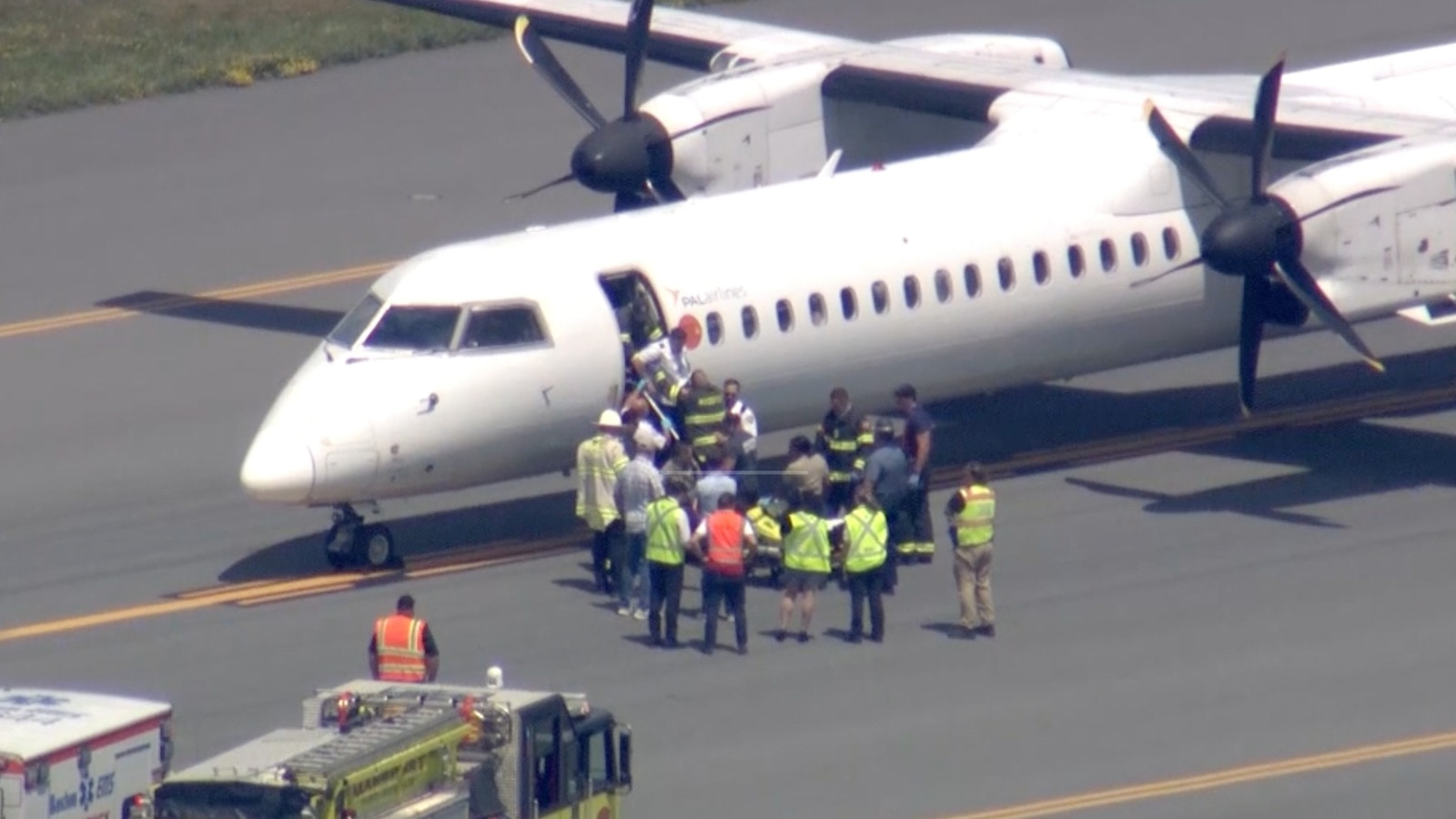
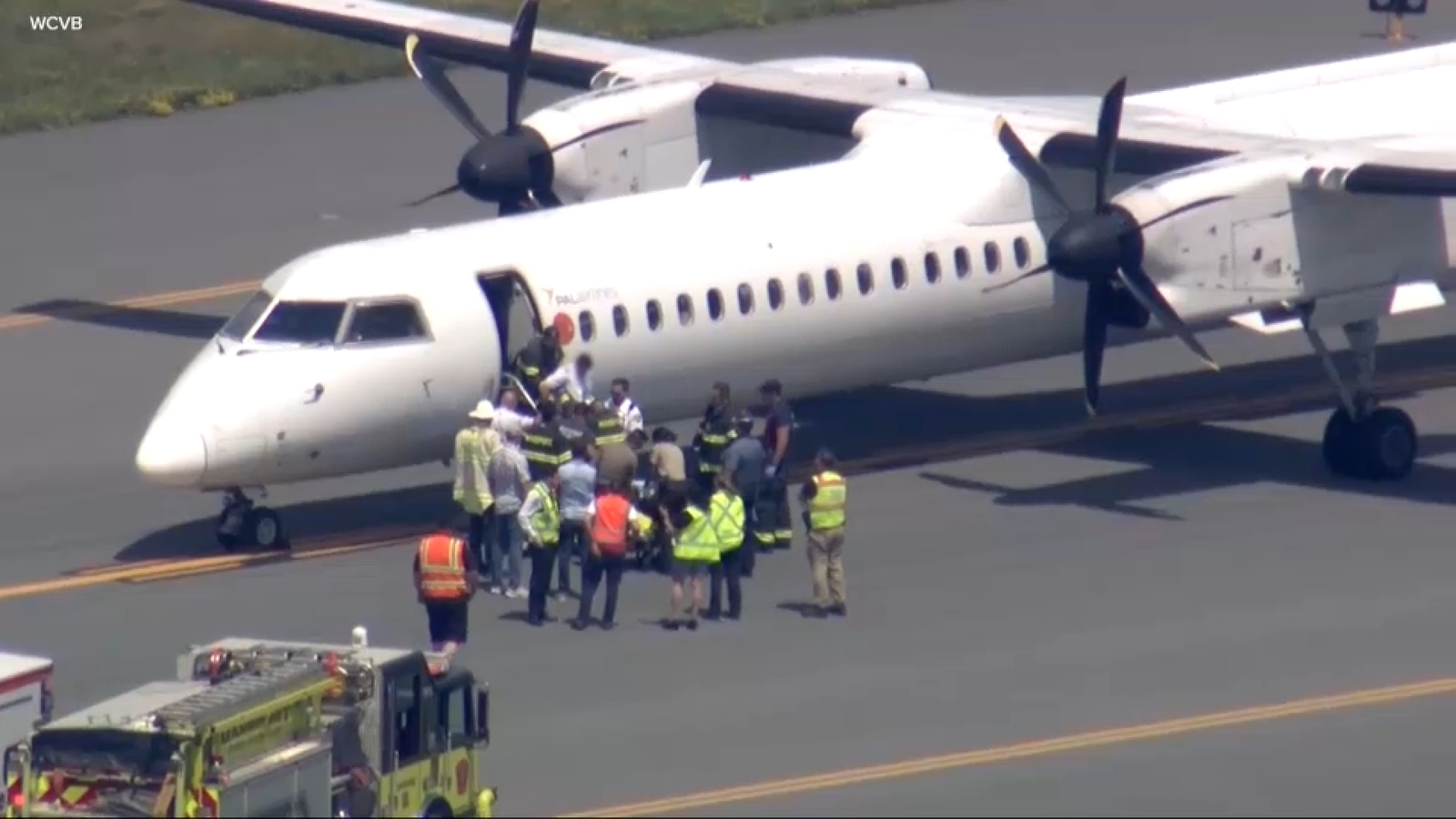
An Air Canada flight, AC7664, operated by regional partner PAL Airlines, was diverted to Boston following a medical emergency experienced by the captain. The De Havilland Q400 aircraft, carrying 61 passengers from Newark to Halifax, encountered this critical situation mid-flight. This event sharply illuminates the operational pressures, crew resource management (CRM) challenges, and passenger safety protocols within regional aviation partnerships.
The captain’s sudden incapacitation, described by witnesses as a possible seizure, required the first officer to assume full command and execute an emergency landing. Accounts of passengers physically restraining the pilot for an extended period underscore the urgent need for enhanced cockpit emergency procedures and in-flight medical containment strategies, especially when immediate external medical aid is inaccessible.
Air Canada confirmed the captain received medical treatment and that alternate travel was arranged for passengers, indicating a standard response. However, the disruption and passenger accounts highlight the inherent risks of medical emergencies involving flight deck crew, emphasizing the unique challenges of regional operations.
Passenger Intervention Highlights Gaps in In-Flight Emergency Response
The extraordinary involvement of passengers in restraining the incapacitated pilot for approximately 40 minutes reveals a critical dependency on civilian intervention in a high-stress flight deck scenario. This situation points to potential gaps in immediate in-flight medical support for crew or protocols for managing incapacitation events, forcing reliance on passengers during a critical phase of flight.
While the first officer’s skill ensured a safe landing, the prolonged need for passenger assistance in managing a medical emergency within the cockpit raises questions about the adequacy of existing crew training and emergency response frameworks for extreme events. This reliance on passenger intervention, though ultimately averting further immediate danger, deviates from ideal safety procedures and necessitates a review of preparedness.
The incident may prompt a re-evaluation of CRM training to better address comprehensive strategies for managing flight deck incapacitation. The necessity of passenger involvement highlights a scenario that extends beyond standard crew capabilities, underscoring the need for more robust internal solutions and potentially specialized equipment or training modules.
PAL Airlines’ Operational Context and Air Canada’s Oversight Responsibility
The operation of AC7664 by PAL Airlines places this event within the broader context of airline outsourcing and capacity management strategies. Regional carriers, often operating with leaner margins, may face distinct resource allocation and training frequencies compared to mainline carriers. This can influence their ability to manage unforeseen operational demands and emergency scenarios.
As the marketing carrier, Air Canada holds ultimate responsibility for the safety and operational integrity of flights marketed under its brand. This diversion will likely trigger a rigorous review of PAL Airlines’ operational procedures, pilot health monitoring, and emergency response protocols. Such scrutiny could reshape contractual agreements and oversight mechanisms between the carriers.
The financial and reputational ramifications are significant. For PAL Airlines, increased regulatory oversight and potential costs for enhanced safety measures are probable. For Air Canada, it underscores the imperative of stringent due diligence and continuous performance monitoring of its regional partners to maintain passenger trust and brand reputation.
Industry and Regulatory Implications of the Diversion
This incident is poised to catalyze broader industry discussions on standardizing medical emergency protocols across all operators, including regional partners. Aviation authorities such as the FAA and Transport Canada may review existing guidelines concerning pilot health assessments and in-flight incapacitation management.
While passenger bravery is commendable, relying on civilian intervention for flight deck emergencies is not a sustainable safety solution. Regulatory bodies might explore the feasibility of advanced medical kits or specialized crew training to better manage such extreme scenarios, potentially increasing operational costs but significantly bolstering safety.
Furthermore, the event could influence passenger perception of regional carriers and their integration into larger airline networks. Airlines heavily reliant on regional partners may face increased pressure to substantiate equivalent safety standards and operational robustness, potentially impacting market share and passenger choice.
Downstream Effects on Passenger Trust and Operational Strategy
The psychological impact on the 61 passengers is undeniable. Their experiences will contribute to public discourse on air travel safety, potentially affecting confidence in air travel, particularly for those with pre-existing anxieties.
Air Canada and PAL Airlines face a critical task in managing reputational fallout. Transparent communication regarding the incident, the safety measures implemented, and any subsequent reviews will be vital for rebuilding and maintaining passenger trust. The industry’s commitment to safety requires a thorough and public response to such rare but significant events.
Operationally, this incident could prompt a re-evaluation of pilot rostering practices, including flight duty limitations and the frequency of medical evaluations, particularly for pilots on regional routes. This may shift the financial leverage in contract negotiations, prioritizing safety and operational standards in partnership agreements.
Future Aviation Safety Considerations
The diversion of Air Canada Flight AC7664 serves as a critical reminder of aviation safety’s intricate nature. While the first officer’s professionalism ensured a safe landing, the circumstances surrounding the captain’s incapacitation and passenger involvement highlight areas for improvement in emergency preparedness and crew support.
Industry stakeholders, including airlines, regulators, and pilot unions, are expected to analyze this event to identify best practices and areas for enhancement. The focus will be on ensuring all flight operations, regardless of carrier type, adhere to the highest safety standards, with robust protocols to manage unforeseen medical emergencies effectively.
The long-term impact will hinge on the industry’s capacity to learn from this incident and implement meaningful changes that further safeguard passengers and crew. The ultimate goal remains to uphold public confidence in air travel as a secure mode of transportation through continuous vigilance and adaptation.