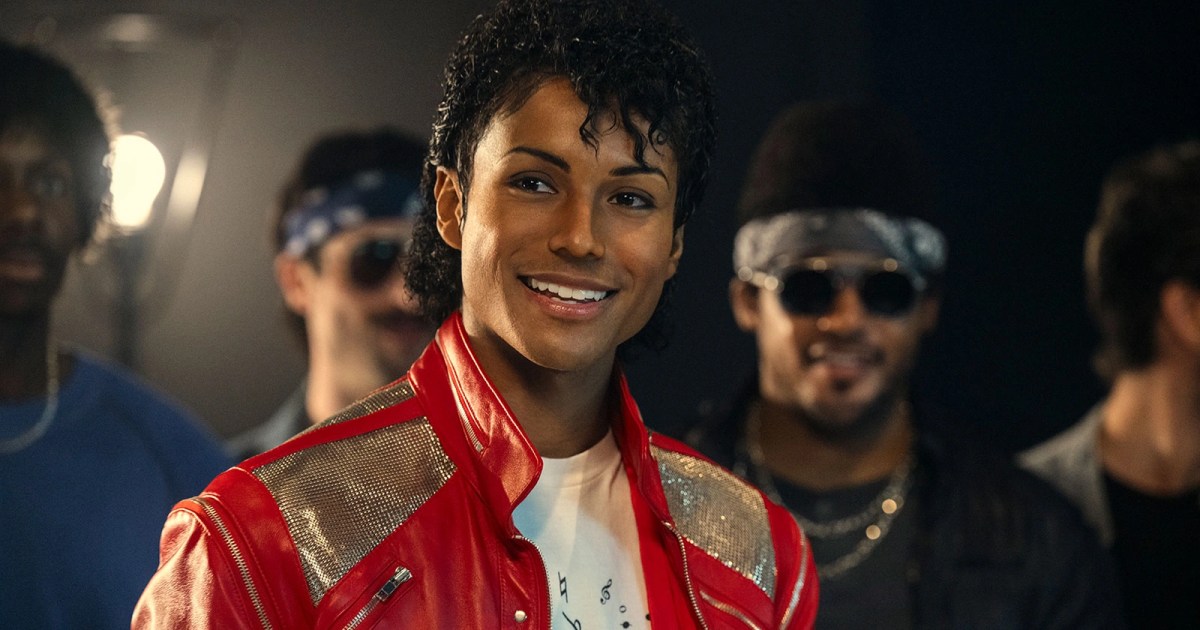
The unprecedented commercial velocity of Antoine Fuqua’s Michael, projecting a domestic debut between $94 million and $100 million, signals a fundamental recalibration of the musical biopic as a financial asset. Achieving a global launch exceeding $200 million, the production serves as a transformative leverage point for Lionsgate, a mini-major studio optimizing its theatrical footprint against larger rivals. By doubling the opening benchmarks of prior genre standards like Straight Outta Compton, the film validates the massive commercial scale of the Jackson intellectual property when activated through a coordinated multi-studio distribution framework.
Strategic Synergy and Studio Risk Mitigation
Lionsgate’s conservative internal forecasting reflects a calculated effort to manage market volatility while securing an asymmetric commercial advantage. For an independent studio, a debut of this magnitude provides vital liquidity and enhances future bargaining power in licensing and downstream distribution. The risk-sharing partnership with Universal Pictures for international rollout—securing a $114 million foreign debut—further stabilizes the project’s ROI by capitalizing on Jackson’s localized brand equity in markets like Japan, which historically contributed significantly to the IP’s revenue streams.
The $38.5 million Friday opening underscores the film’s front-loaded momentum and its capacity to mobilize distinct cultural coalitions. Industry competitors view this performance as a crucial viability signal for the theatrical ecosystem, suggesting that culturally resonant, high-value content can still command physical attendance levels that challenge the dominance of streaming-first models.
The Estate-Authorized Narrative Paradigm
The collaborative architecture between producer Graham King and the Michael Jackson Estate prioritizes brand preservation over critical nuance. By securing estate cooperation, the production gained exclusive access to archival assets and music rights, which translated into high production values and “platinum” audience exit scores. However, this partnership necessitates a sanitized narrative scope, focusing on the artist’s ascent while eliding the more contentious legal and personal crises of his later years.
This structural choice reflects an industry-wide trend: estates exerting totalizing control over legacy IP to ensure long-term viability. Critics have noted the film’s “AI-made” polish—a curated history that emphasizes fan satisfaction over historical inquiry. This tension between commercial success and critical depth suggests that for high-stakes biopics, demographic reach and sentiment analysis are now more accurate predictors of financial success than traditional cinematic evaluation.
Demographic Drivers and Institutional Context
The film’s dominance across diverse demographics—particularly among Black and female audiences—reveals the specific cultural coalitions required to sustain blockbuster momentum in a fragmented market. This success is not merely nostalgia-driven; it is a contemporary event bridging geographic and generational divides. The data indicates that narratives of Black excellence, when backed by significant capital, represent an underserved and high-yield market opportunity.
This release also exists within a complex social framework. The narrative’s avoidance of difficult truths mirrors broader institutional behaviors where commercial interests are decoupled from social introspection. A poignant parallel is drawn between the film’s sanitized iconicity and real-world incidents like the Jordan Neely case. The subsequent institutional support for figures involved in such controversies, such as the venture capital firm Andreessen Horowitz (a16z) hiring Daniel Penny, suggests a shift where corporate and financial institutions increasingly insulate themselves from public discourse surrounding racial equity and justice.
Future Implications for the Biopic Model
The record-shattering debut of Michael will likely catalyze a surge in estate-sanctioned projects as studios move toward high-margin, low-risk biographical models. This success provides a blueprint for navigating controversial legacies: focus on high-fidelity production, mobilize core fanbases, and maintain strict narrative control. While this ensures financial stability, it risks a homogenization of the genre, where brand management outweighs creative autonomy.
Ultimately, Michael serves as a case study in the intersection of legacy management, studio economics, and institutional power. As Lionsgate and Universal monitor the film’s trajectory, the results will inform the next decade of biopic production. The takeaway is clear: in the modern media landscape, the narrative is a strategic product designed to maximize value while minimizing the friction of historical complexity.