Strategic Imperatives: Statistical Probabilities and Group J Survival
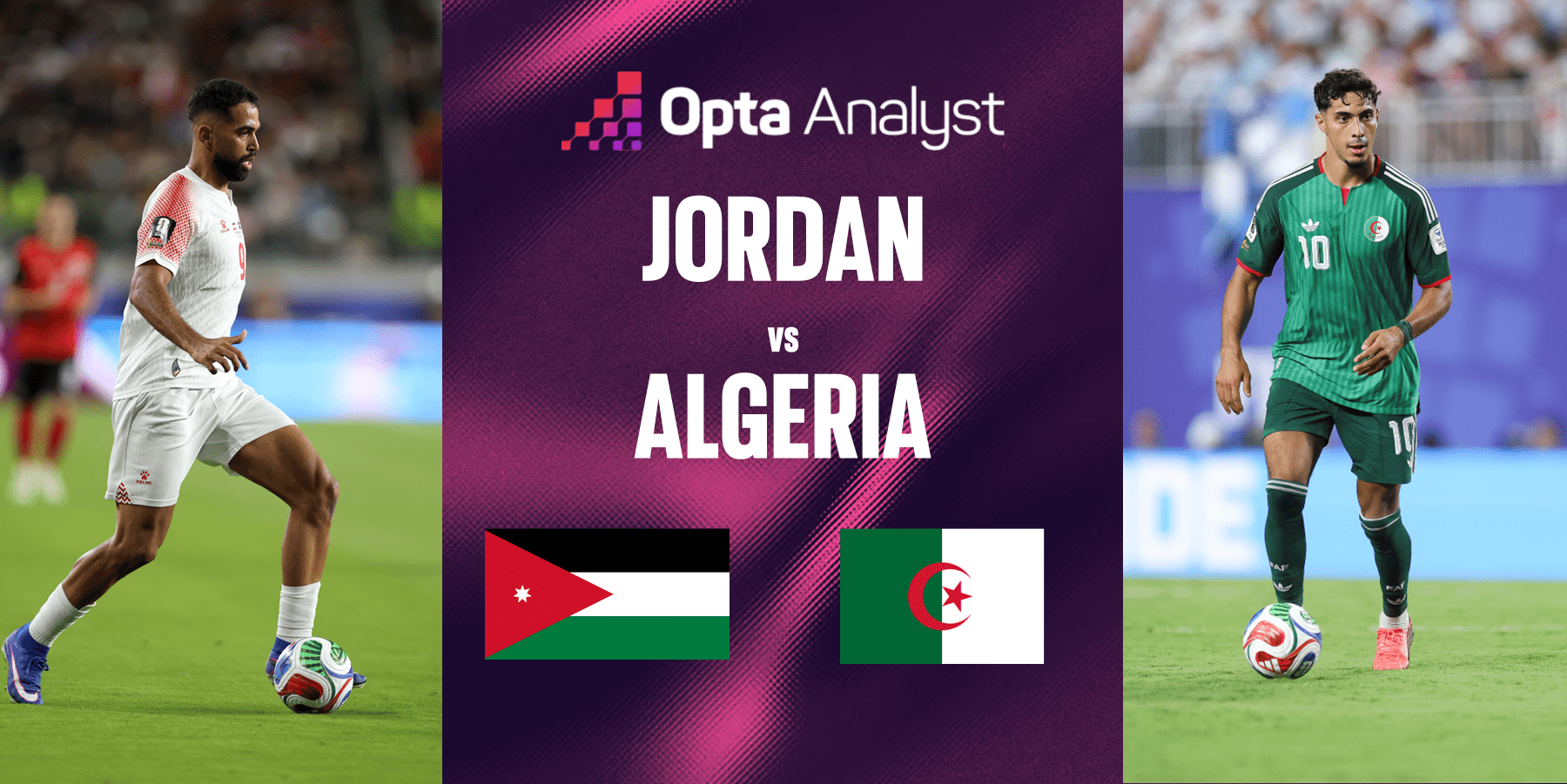
The Group J fixture between Jordan and Algeria at San Francisco Bay Stadium is a high-stakes encounter for two nations facing early-tournament elimination. Following Jordan’s 3-1 defeat to Austria and Algeria’s 3-0 loss to Argentina, both teams remain on zero points. Statistically, a second consecutive loss would marginalize their mathematical probability of advancing to the knockout stages, transforming this match into a zero-sum scenario for tournament survival.
Analytical models from Opta assign Algeria a 60.1% win probability, despite a historical trend of underperformance—securing only one victory in their last 11 World Cup matches. Conversely, Jordan, a tournament debutant, faces the challenge of breaking a six-match winless streak. The tactical narrative centers on whether Jordan can leverage their transition-heavy offense, led by Ali Olwan, or if Algeria’s veteran core can overcome their defensive fragilities exposed during the opening round.
Tactical Volatility and Defensive Recalibration
Jordan’s debut against Austria demonstrated 75 minutes of structural discipline before a late-game collapse. This technical volatility—exemplified by an own-goal and a late penalty—suggests a deficit in high-pressure composure. To secure points, Jordan’s technical staff must stabilize set-piece defending and improve late-game stamina, areas where Algeria’s high-velocity offensive movements are most lethal.
Algeria’s necessity for defensive recalibration is equally urgent after failing to contain elite individual talent in their opener. While they haven’t lost their opening two matches in previous World Cup appearances, their return after a 12-year absence requires a shift from passive containment to proactive tempo control. Expect a more conservative ‘block’ from both sides, as reflected in market sentiments favoring a low-scoring, risk-averse defensive posture.
Institutional Mobilization and Sports Diplomacy in Amman
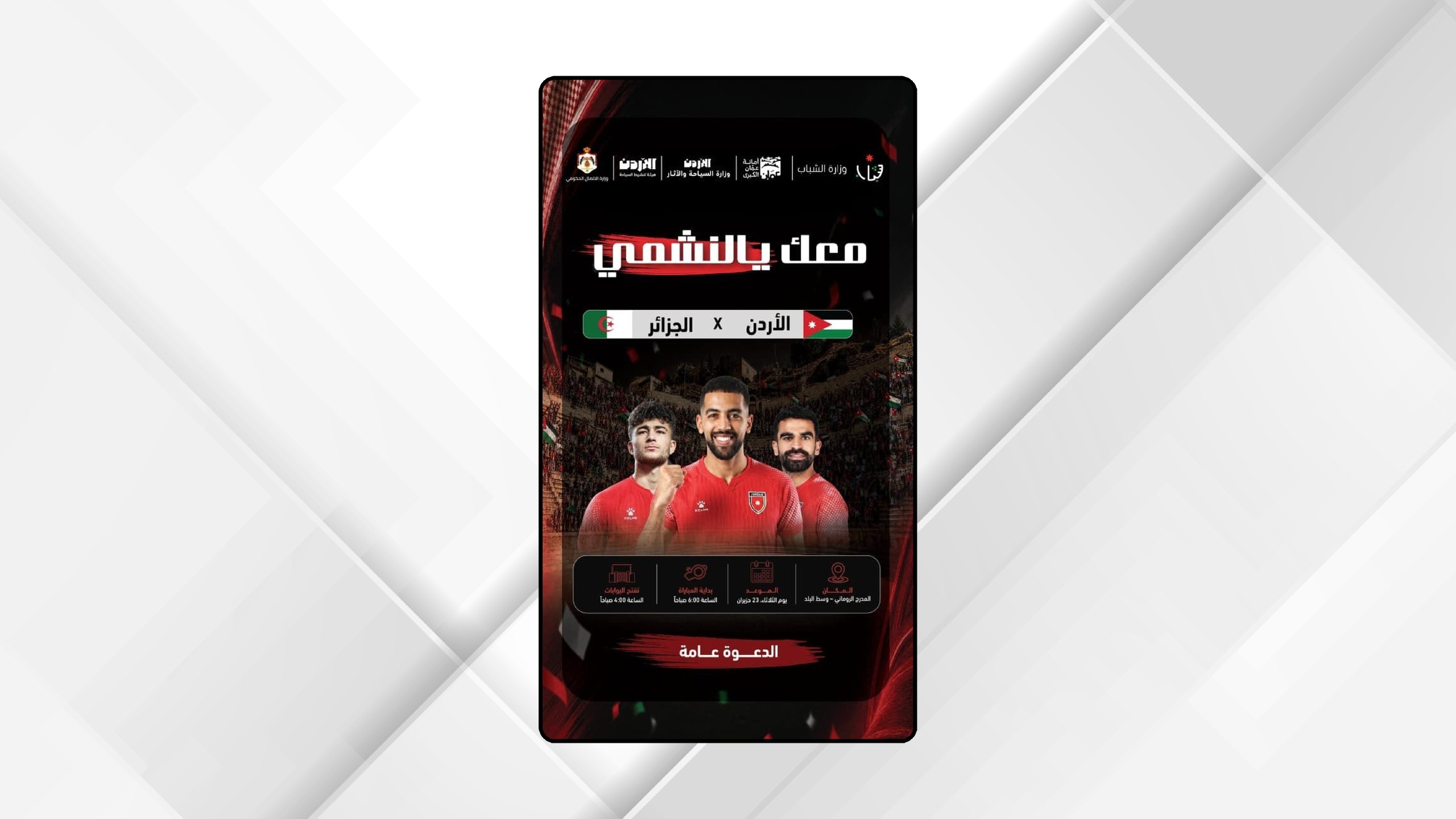
Beyond the pitch, the match has triggered a massive institutional response within Jordan. A coordinated state strategy involving the Ministry of Youth, the Greater Amman Municipality, and the Jordan Tourism Board has repurposed historic landmarks—including the Roman Amphitheater and Hashemite Square—into centralized viewing hubs. This utilization of cultural heritage sites serves a dual purpose: fostering national unity behind the ‘Al Nashama’ squad and projecting Jordan’s cultural identity to a global audience.
Logistics and Narrative Management
Operational planning for the 6:00 AM (AST) kickoff on June 23 demonstrates significant urban management efforts. The deployment of large-scale infrastructure, dedicated zones for families and people with disabilities, and structured media hubs illustrates a sophisticated approach to sports diplomacy. This state-led framework aims to maximize the social cohesion benefits of World Cup participation, regardless of the final scoreline in San Francisco.
Conclusion: Competitive and Cultural Consequences
The relocation of this clash to a neutral U.S. venue levels the competitive playing field, forcing both teams to adapt to unique travel and broadcast pressures. For Jordan, a positive result would validate years of investment in youth development and sports infrastructure. For Algeria, the match is a test of regional status; failure to secure points against a debutant would necessitate a significant strategic overhaul. Ultimately, the result will dictate not only Group J standings but also the long-term momentum of football development in both nations.