Strategic Fracture in the Harbaugh Era
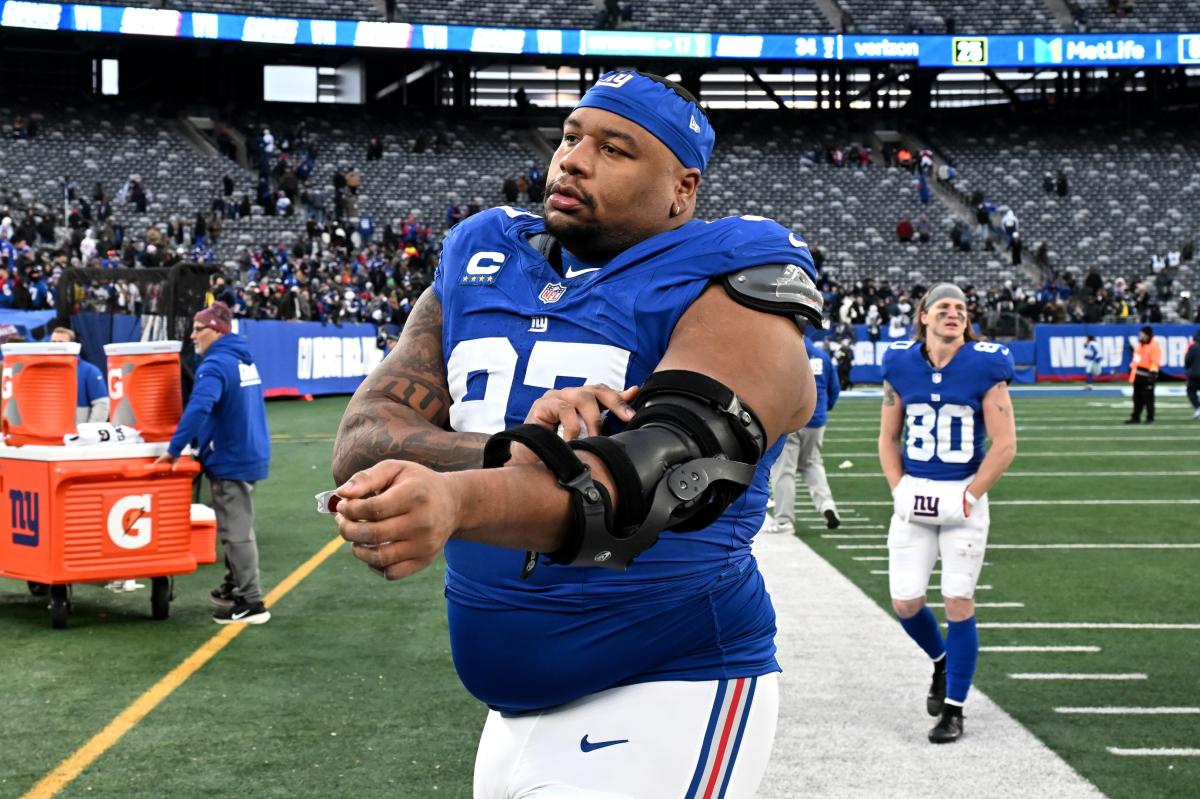
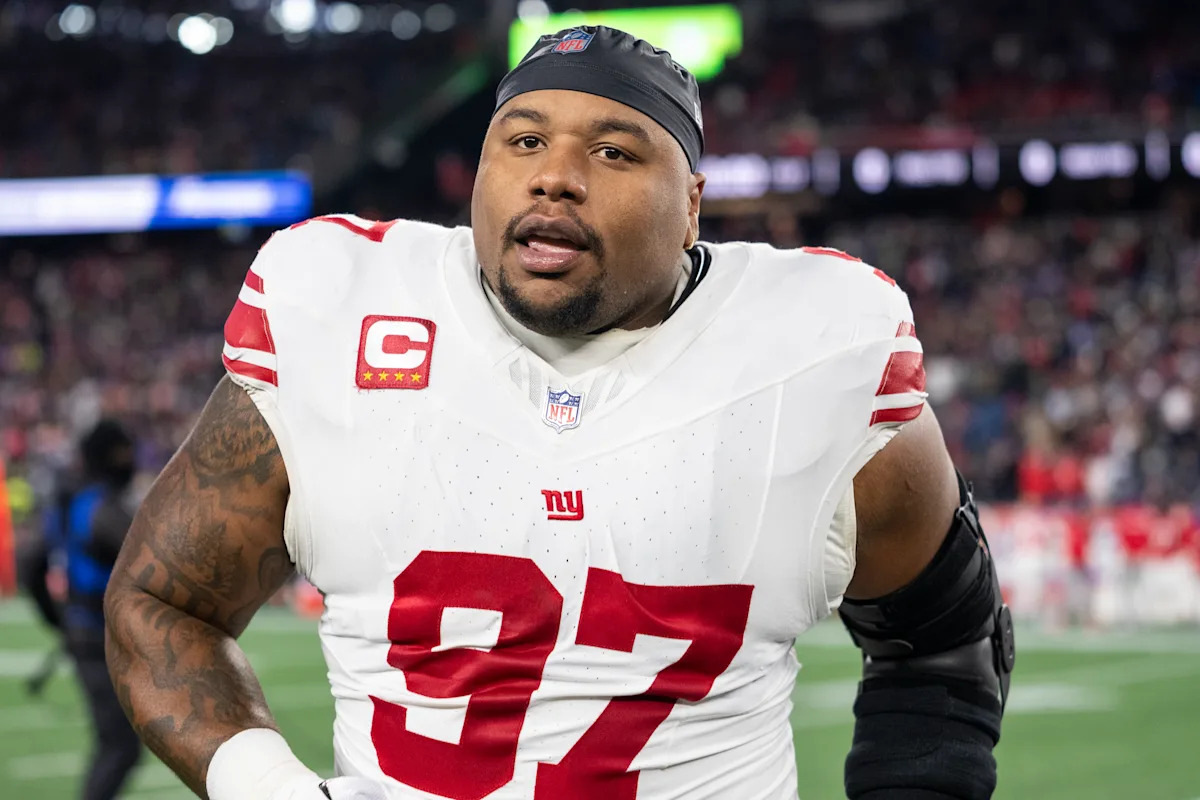
The New York Giants’ transition into the John Harbaugh era has met an immediate institutional roadblock as All-Pro defensive tackle Dexter Lawrence II has formally requested a trade. This maneuver, characterized by his absence from voluntary organized team activities (OTAs), signals a profound breakdown in internal stability. Arriving just two weeks before the 2026 NFL Draft, Lawrence’s request forces a high-stakes re-evaluation of the Giants’ defensive capital and front-office priorities.
Fiscal Obsolescence and Market Re-Calibration
The impasse originates from a widening gap between Lawrence’s 2023 extension and the hyper-inflated market for interior defensive linemen. Despite a four-year, $90 million deal, Lawrence’s average annual value (AAV) has receded to 11th at his position. With a $20 million salary scheduled for the current campaign, his camp views the existing terms as a failure to reflect his status as a three-time Pro Bowler. Conversely, the Giants’ front office appears to be weighing his historical dominance against a recent statistical dip, including a season where he recorded only a half-sack, creating a complex valuation ceiling.
The ‘Middle Stone’ and Tactical Exposure
Coach John Harbaugh has famously defined Lawrence as the “middle stone” of the Giants’ defense. His absence creates a tactical vacuum; his unique athletic profile allows him to command double-teams and disrupt pocket integrity from the interior. Without this structural anchor, the installation of Harbaugh’s new defensive scheme faces significant risk, as the current roster lacks a comparable physical surrogate to facilitate the team’s front-seven rotations.
Institutional Erosion and Leadership Turnover
Beyond financial friction, Lawrence’s dissatisfaction is linked to the systematic dismantling of the Giants’ veteran core. The departures of Saquon Barkley, Julian Love, and Leonard Williams have reportedly shifted Lawrence’s perspective on the organization’s competitive trajectory. The transition from a player aspiring to the Ring of Honor to one requesting an exit suggests a breakdown in trust, as the perceived lack of investment in the supporting roster reaches a critical tipping point.
Negotiation Leverage and Draft Contingencies
While the Giants have labeled Lawrence “untouchable,” this designation serves primarily to preserve trade leverage. The organization now faces a strategic bottleneck: maintaining an unproductive, disgruntled star or securing significant draft capital to accelerate a total rebuild. With the draft approaching, the front office must decide if the risk of a prolonged holdout outweighs the potential of acquiring high-value assets to solidify the roster under the new regime.