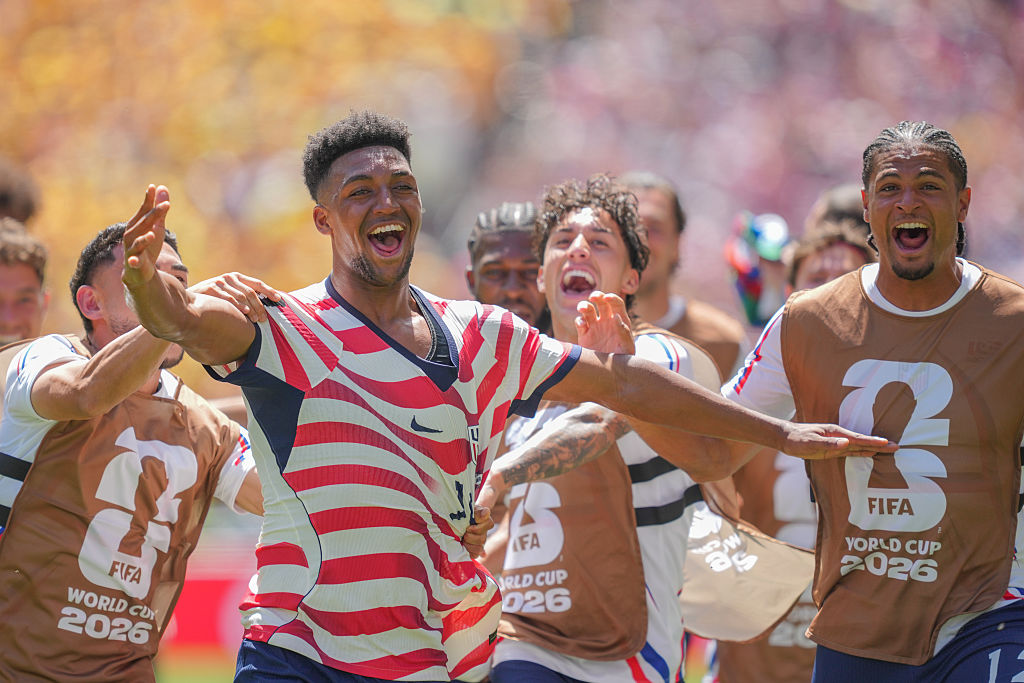
The Structural Shift in American Soccer
The US Men’s National Team’s (USMNT) advancement to the knockout stages marks a historic inflection point. By topping Group D, the team has achieved its most successful group-stage performance since 1930, signaling a maturation of tactical execution and institutional development. This is not merely an isolated success but a measurable shift in the USMNT’s competitive trajectory within the global soccer ecosystem.
Institutional Validation and Market Leverage
Securing the top spot in the group serves as empirical evidence that the US Soccer Federation’s long-term talent pipeline and coaching frameworks are delivering tangible results. For stakeholders, this consistency functions as a catalyst for increased commercial leverage. Advanced tournament progress directly correlates with enhanced valuations for sponsorship portfolios, broadcasting rights, and the overall prestige of the domestic soccer product.
Tactical Maturity and Tournament Logistics
The USMNT’s ability to consistently secure points against diverse international styles highlights a newfound tactical flexibility. By successfully navigating the group phase, the coaching staff has demonstrated an capacity to adapt under high-pressure, condensed scheduling. Success in the upcoming knockout rounds will depend on continued risk management—specifically regarding player fatigue and resource allocation—against opponents who will increasingly tailor their strategies to counteract American tactical systems.
Economic Impact and Long-Term Trajectory
Beyond the pitch, this tournament run accelerates the commercial viability of the sport in the United States. Increased media visibility and fan engagement provide a stronger foundation for investment in professional leagues and youth infrastructure. The challenge for the organization is to convert this current momentum into a sustained performance standard, moving from a challenger status to a consistent participant in the sport’s elite tiers. Continued administrative discipline will be essential to ensure that this breakthrough translates into a long-term evolution of the American soccer landscape.