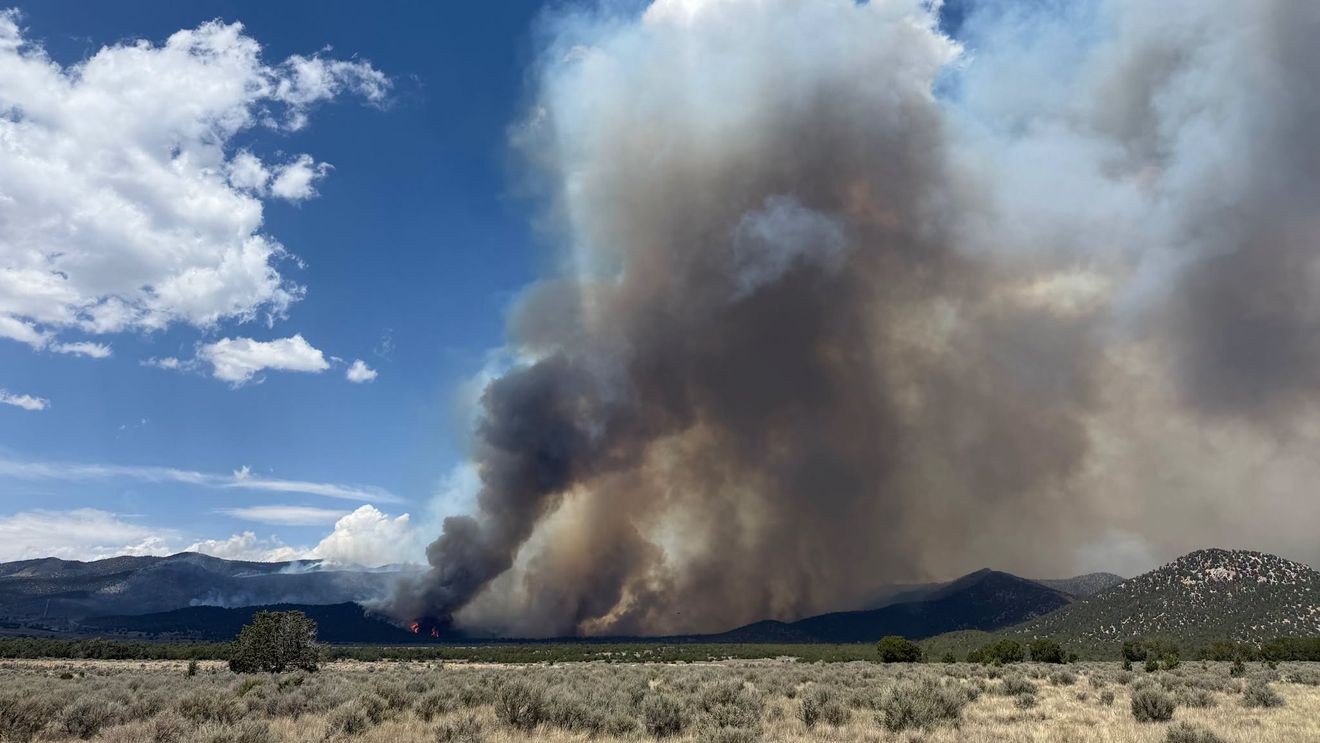
The rapid expansion of the Iron Fire in northern Juab County marks a critical transition from localized containment to a complex, multi-jurisdictional emergency. Surpassing 13,000 acres, the incident has triggered the activation of a Complex Incident Management Team (CIMT), reflecting the operational necessity for advanced logistical oversight and specialized command structures in high-stakes environments.
Tactical Escalation and CIMT Integration
The fire’s positioning at the convergence of Juab, Tooele, and Utah Counties creates significant administrative and tactical friction. Managing suppression efforts across these jurisdictions requires a unified command to synchronize communication protocols and resource allocation. The transition to a CIMT indicates that the incident has exceeded the capacity of initial-attack resources, bringing in advanced capabilities in finance, strategic planning, and long-term positioning essential for protecting high-value assets.
Meteorological Volatility and Structural Risk
Erratic wind patterns pushing the blaze toward Eureka underscore the volatility of the current meteorological landscape. Wind-driven fire behavior compresses the lead time for evacuations and structural hardening, forcing incident commanders to prioritize life safety over traditional containment boundaries. Such shifts can compromise established fire lines, necessitating rapid tactical reassessments and complicating the deployment of aerial assets due to turbulence and visibility constraints.
Economic Liability and Human-Caused Ignitions
The determination of the Iron Fire as human-caused carries substantial legal and financial weight. Such ignitions often prompt intensive cost-recovery investigations by state and federal agencies. From a policy perspective, these incidents frequently lead to heightened regulatory scrutiny and the implementation of stricter fire restrictions to mitigate the strain on regional suppression infrastructure during periods of peak fire danger.
Atmospheric Dynamics and Regional Health
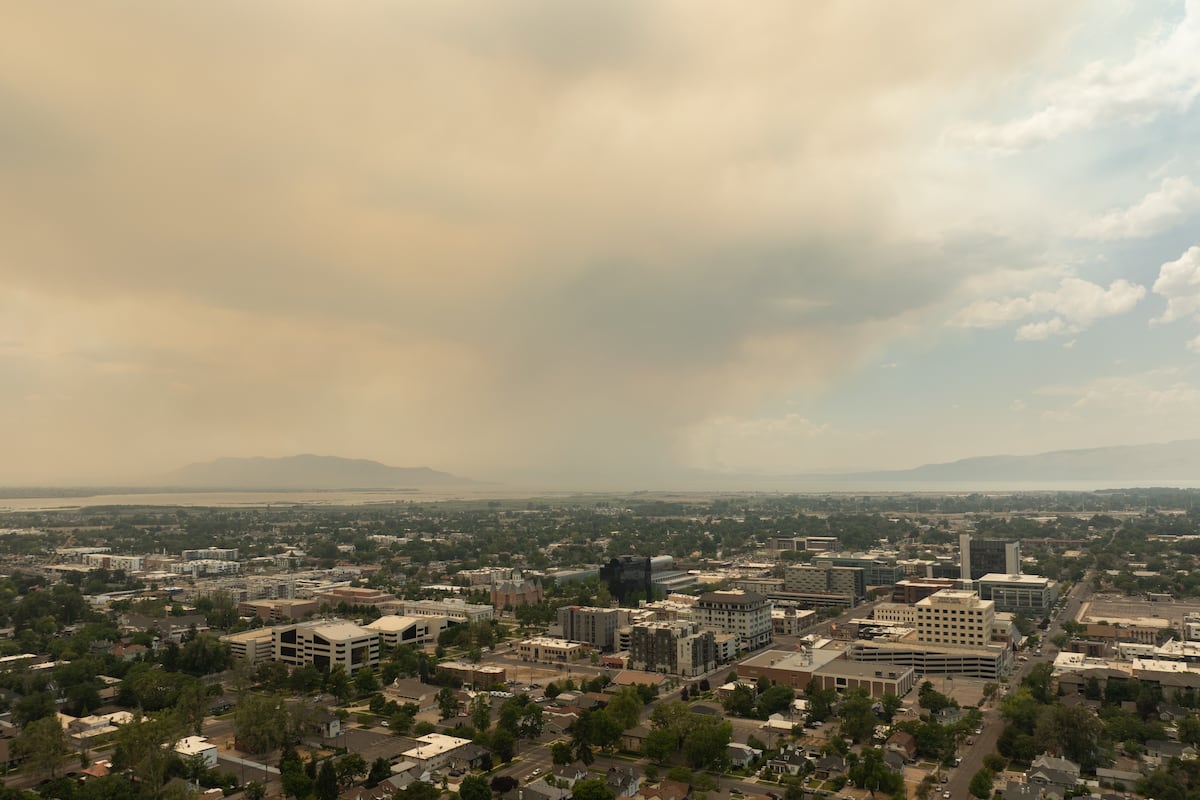
The haze across the Wasatch Front illustrates the cumulative atmospheric impact of regional wildfire activity. While the Iron Fire is a primary local contributor, the convergence of smoke from Nevada and Arizona creates a complex public health scenario. Particulate matter levels fluctuate based on wind direction and fire intensity, requiring state officials to differentiate between local and interstate smoke to issue accurate health advisories for urban centers like Salt Lake City.
Logistical Challenges in Rural Mitigation
Evacuating communities like Eureka involves intricate logistics, including the coordination of law enforcement and the management of livestock in agricultural zones. Public briefings, such as those held in Elberta, are vital for maintaining institutional transparency and ensuring public compliance with high-urgency evacuation orders. The success of these efforts hinges on the CIMT’s ability to secure specialized resources, such as Type 1 helicopters and Hotshot crews, amidst intense regional competition for firefighting assets.