Strategic Grid De-energization
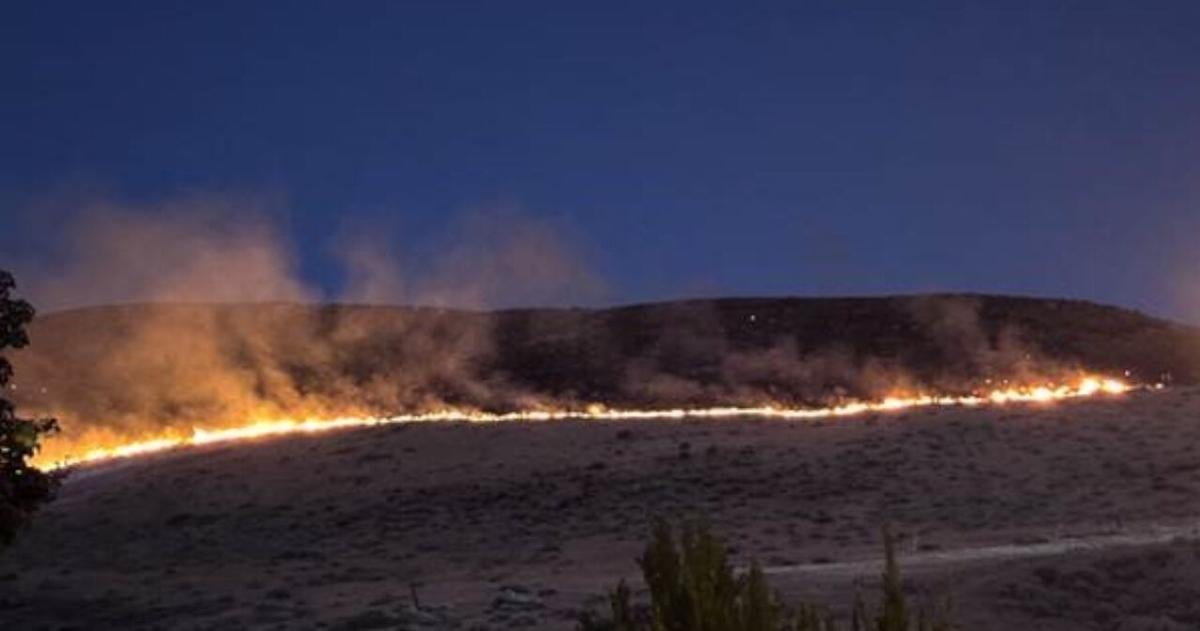
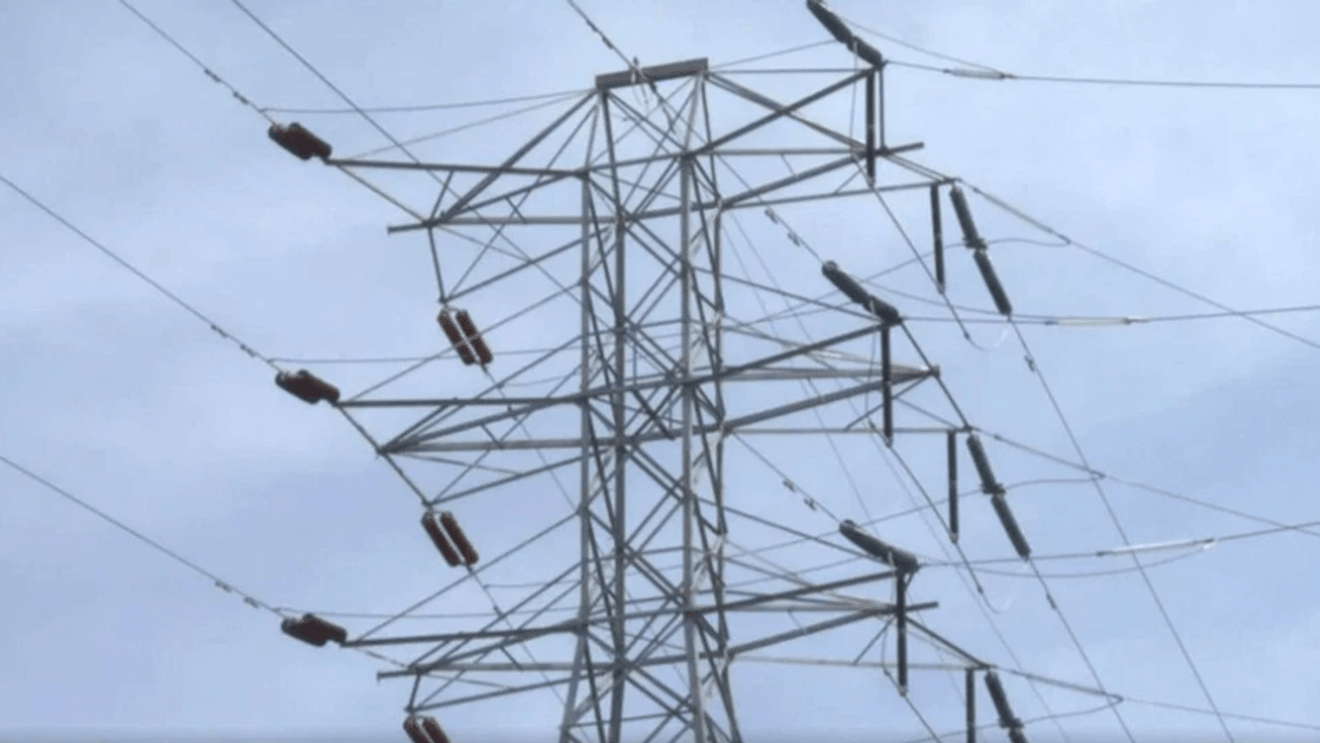
The recent power outage affecting 70,000 NV Energy customers in Washoe County exemplifies the shift toward proactive wildfire mitigation. By implementing emergency de-energization, the utility prioritizes ignition prevention over immediate service continuity. This tactical load shedding near the Vecchio Drive fire illustrates the necessity of removing electrical assets from high-risk environments to contain fire spread, despite the resulting disruption to Reno and South Reno centers.
Institutional and Stakeholder Risk
NV Energy’s response to the fire’s expansion from 30 to 100 acres demonstrates the complexity of balancing safety mandates with grid stability. For residents in ZIP codes 89512, 89511, and 89436, the reliance on digital outage mapping during this event underscored the essential nature of utility transparency. However, it also highlighted the vulnerability of localized urban infrastructure to dynamic environmental threats.
Operational Integration of Fire Modeling
Coordinating with the Bureau of Land Management and the Sparks Fire Department, NV Energy’s response suggests a future where fire-weather modeling is natively integrated into distribution load-balancing. By moving beyond reactive measures, the utility now acts as a central node in regional emergency management, as evidenced by the redirection of public resources to emergency shelters like the Sparks Library.
Economic Implications and Future Hardening
The 80-minute restoration window indicates a disciplined recovery framework. Nevertheless, the economic volatility caused by such outages necessitates a long-term capital strategy. Future grid hardening—specifically the deployment of advanced sectionalizing technology and fire-resistant materials—is the expected path forward to minimize the frequency of broad-scale, preventative shutdowns.
Synthesis
Modern electrical grids serve as critical infrastructure in regional disaster mitigation. NV Energy’s capability to isolate segments of the grid during wildfire threats is becoming an operational standard. As climate-driven risks intensify, the long-term resilience of the Nevada power network will depend on continued alignment between fire suppression agencies and utility load management strategies.