Statistical Superiority: Ecuador’s Defensive Foundation
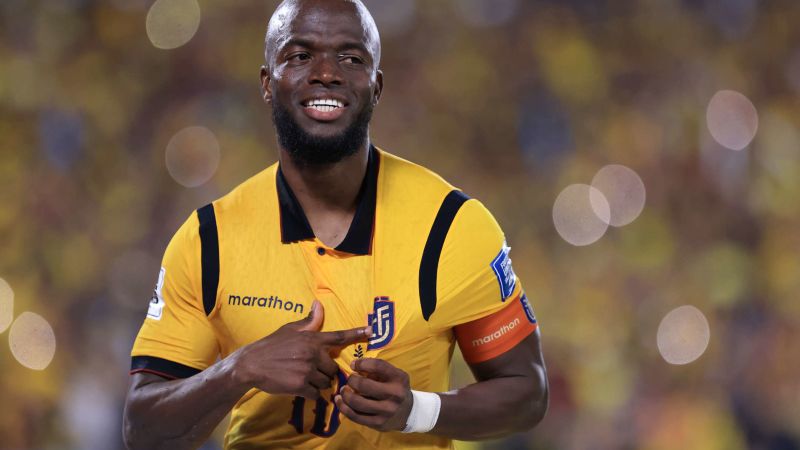
The 2026 World Cup Group E opener in Philadelphia features a clash between Ecuador’s statistically elite defensive structure and Ivory Coast’s physical transition game. Ecuador enters the tournament following a historic CONMEBOL qualifying cycle, conceding a mere five goals across 18 matches. This rate of 0.27 goals per game establishes Sebastián Beccacece’s side as one of the most disciplined units globally. This defensive resilience is not merely a byproduct of conservative play but a deliberate strategic foundation designed to navigate the high-stakes volatility of tournament group stages.
Tactical Personnel and the European Core
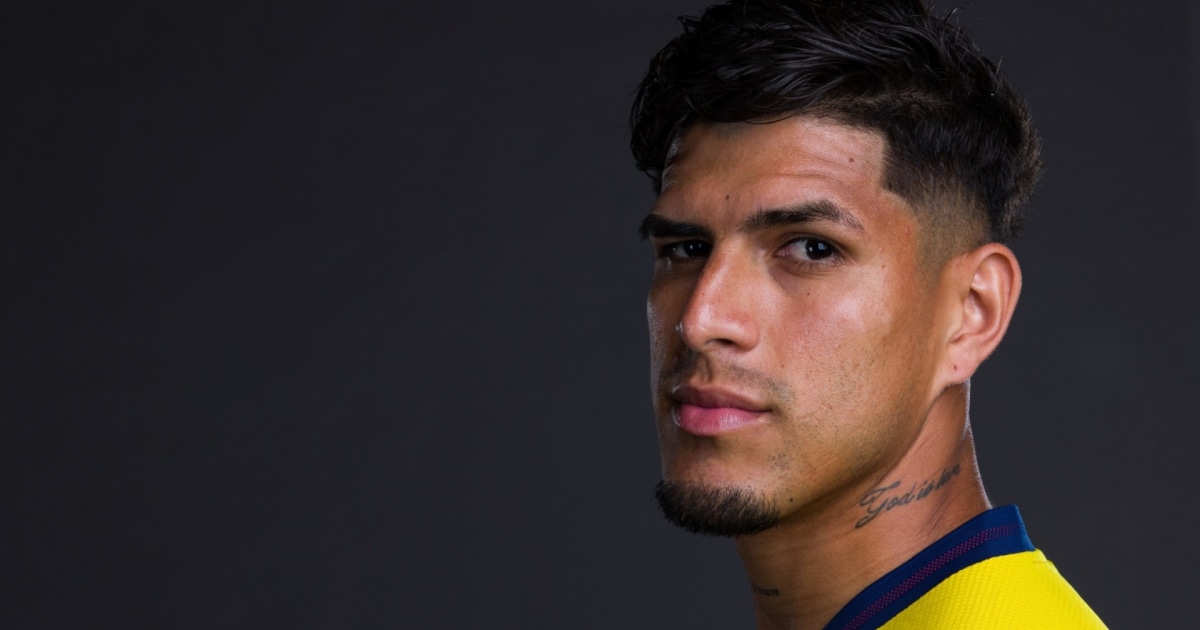
Coach Beccacece’s selection of a 26-man roster emphasizes continuity and elite exposure. The presence of Moisés Caicedo, Willian Pacho, and Piero Hincapié provides a spine forged in Europe’s top-tier leagues. This ‘European Core’ transition has shifted Ecuador’s identity from a regional power to a global tactical outlier. Hincapié’s public focus on ‘unity and heart’ serves as a psychological stabilizer, ensuring that the structural discipline remains intact during the high-pressure opening minutes of a World Cup debut.
Ivory Coast: Navigating the Generational Gap
After a twelve-year absence from the world stage (2018–2022), Ivory Coast faces a significant experience deficit. The ‘Elephants’ must bridge a generational gap, relying on physical disruption to break Ecuador’s low-block. Historically, Ivory Coast has secured three wins in nine World Cup appearances, yet they lack the consistent defensive continuity displayed by their South American counterparts. Success for the Ivorian side depends on their ability to leverage midfield power to bypass Ecuador’s transition-control mechanics.
Group E Dynamics and Market Implications
The competitive landscape of Group E is already defined by extreme volatility. Germany’s 7-1 victory over Curacao and the tactical 1-1 draw between Japan and the Netherlands suggest that goal difference will be the primary arbiter of knockout qualification. For Ecuador, their defensive-first approach necessitates a high conversion rate on limited opportunities to keep pace with Germany’s offensive output. Performance in this fixture also carries immense commercial weight; scouts from the ‘Big Five’ leagues are closely monitoring Pacho and Caicedo, where a clean sheet could further inflate their already significant market valuations.
Institutional Stakes and Cultural Branding
For the Ecuadorian Football Federation (FEF), this match is a branding milestone. The ‘banderazo’ at Philadelphia’s Rocky statue aligns the team with a narrative of resilience, targeting both domestic fans and the U.S. diaspora. For Ivory Coast, the match represents ‘institutional restoration’—a chance to re-establish West African footballing dominance on the global map. As both nations seek to define their 2026 trajectory, the result in Philadelphia will serve as a definitive test of whether defensive discipline can reliably neutralize the unpredictable physical threats of modern international football.