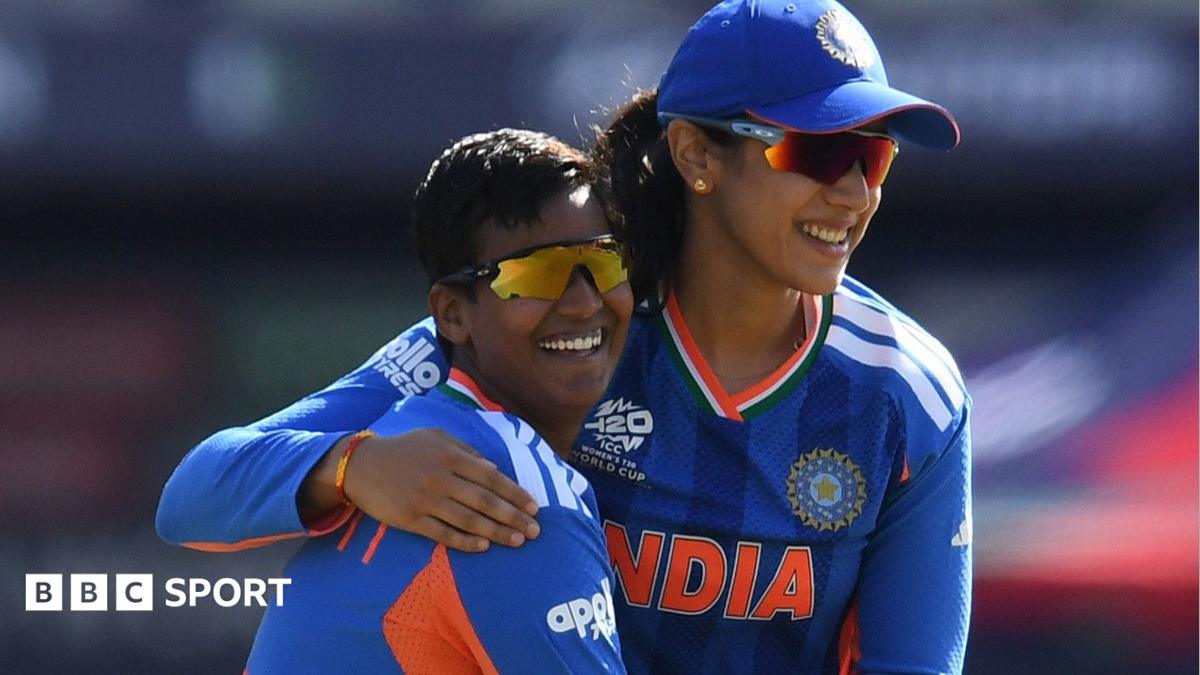
Strategic Superiority at Edgbaston
India’s 64-run victory over Pakistan in the 2026 Women’s T20 World Cup opener at Edgbaston provided a masterclass in tactical execution. While the fixture remains a marquee event for global viewership, the 171-run total set by India served as a foundation for a one-sided second innings. Smriti Mandhana’s 68 off 44 balls set the aggressive tempo, pinning the Pakistani bowlers on the back foot early.
Deepti Sharma: The Catalyst for Collapse
Deepti Sharma’s spell of 5-10 was the definitive pivot point of the match. By maintaining a high-pressure line and length, she forced the Pakistani lineup into the critical error of seeking high-risk boundaries against superior spin. Following the run-out of Muneeba Ali, the Pakistani batting order crumbled to 79 for six in 13 overs. Sharma’s performance highlights the modern requirement for T20 bowlers to act as both run-stoppers and wicket-takers, effectively neutralizing middle-order momentum.
Institutional Drivers of Competitive Disparity
The performance gap between the two sides reflects the divergent maturity of their respective domestic frameworks. The Women’s Premier League (WPL) has functioned as an institutional multiplier for India, exposing players to high-intensity scenarios and consistent financial investment. This structural advantage translates to higher technical proficiency during international tournaments, where India’s squad demonstrates a seamless transition between formats compared to opponents with less developed domestic leagues.
Market Dynamics vs. Sporting Integrity
While the India-Pakistan rivalry is the ICC’s most lucrative commercial asset, the visible disparity in on-field play poses a long-term challenge for the tournament’s competitive narrative. Tactical vulnerability—evidenced by Pakistan’s struggle to pivot after a promising 52-run powerplay—suggests that marketability alone cannot sustain interest if matches remain lopsided. Balancing the global commercial appeal with the need for competitive parity remains an urgent priority for sports governance.
Technical Analysis of Match Flow
India’s field placement was surgically precise, systematically stifling Pakistan’s power hitters by forcing shots into the covers. This approach effectively reduced the required run rate to an unreachable level for the tailenders. For India, this victory is not merely a win, but a validation of their preparatory standards. To retain the title, however, the team must prove this tactical discipline can be replicated against opponents with broader bowling varieties and more aggressive batting rotations.