The conclusion of the 2026 NFL Draft triggers an immediate pivot from the centralized, seven-round selection process to a decentralized, high-velocity bidding war. This transition forces front offices to shift from long-term scouting to real-time financial arbitration. The undrafted free agent (UDFA) market is not merely a search for depth but a systemic effort to secure high-ceiling talent sidelined by positional saturation or medical volatility during the primary 257-pick cycle.
The Washington Commanders utilized the 2026 UDFA period to recalibrate their defensive sub-packages and offensive personnel groupings. By signing Northwestern cornerback Fred Davis II and Washington tight end Quentin Moore, the organization addressed specific schematic voids. Davis II provides a fundamental technical floor that complements the draft-day acquisition of linebacker Sonny Styles, indicating a focus on Big Ten-derived defensive continuity. Moore’s inclusion serves as a functional hedge for a 12-personnel scheme, offering specialized blocking capabilities that contrast with the perimeter-focused skill set of earlier pick Antonio Williams.
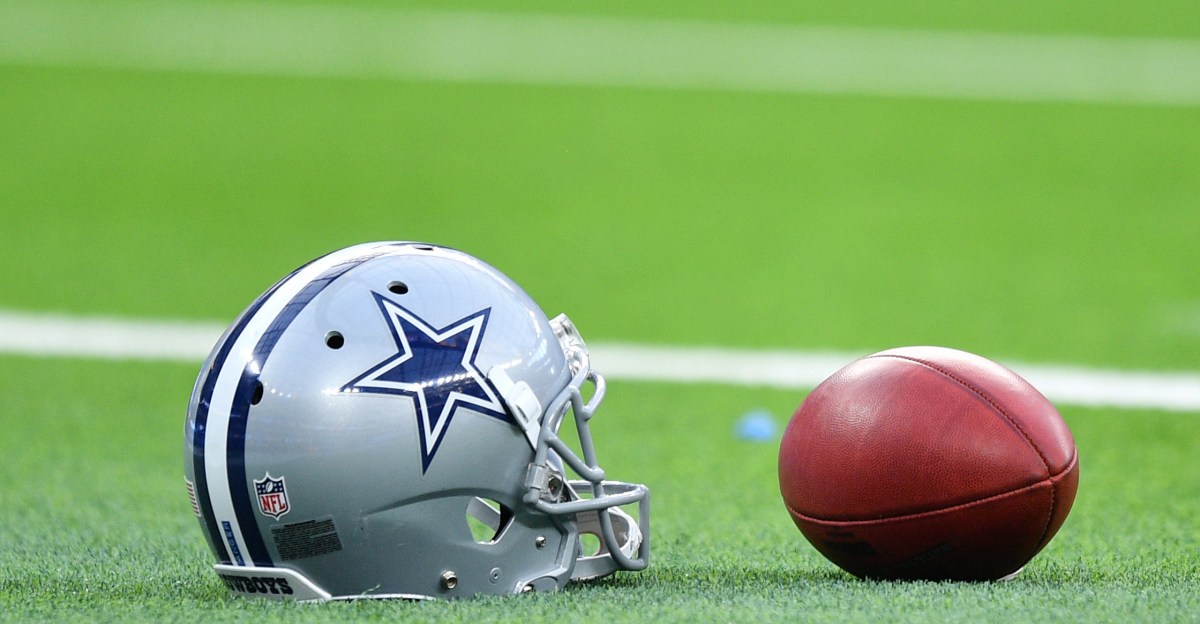
Conversely, the Dallas Cowboys leverage the UDFA market as a foundational pillar of their roster construction. By exercising aggressive financial postures, Dallas secured priority targets Jordon Hudson (WR, SMU) and DJ Rogers (TE, TCU). This strategy utilizes geographic scouting premiums and local familiarity to mitigate the transition risks inherent in non-drafted talent. The Cowboys’ high UDFA-to-roster conversion rate serves as a recruitment lever, signaling to agents that Dallas provides a viable path to the 53-man roster for priority free agents.
Operational volatility remains a hallmark of this cycle. Agreements are technically unofficial until physical examinations and formal filings are processed, creating a period of informational lag. The distinction between a standard contract agreement and a mere rookie minicamp invite is critical for assessing a player’s institutional standing. These signings represent asymmetric investments: low-risk, high-reward assets against the salary cap that provide essential cost-controlled performance leverage over multiple seasons.
Ultimately, the 2026 UDFA cycle reinforces that while the draft provides franchise stars, the post-draft market provides structural integrity. Integrating undrafted specialists into a class featuring Athan Kaliakmanis, Joshua Josephs, and Kaytron Allen demonstrates a holistic approach to injury mitigation and special teams development. For organizations like Washington and Dallas, success in this chaotic market is a primary metric of front-office administrative efficiency and scouting network depth.