
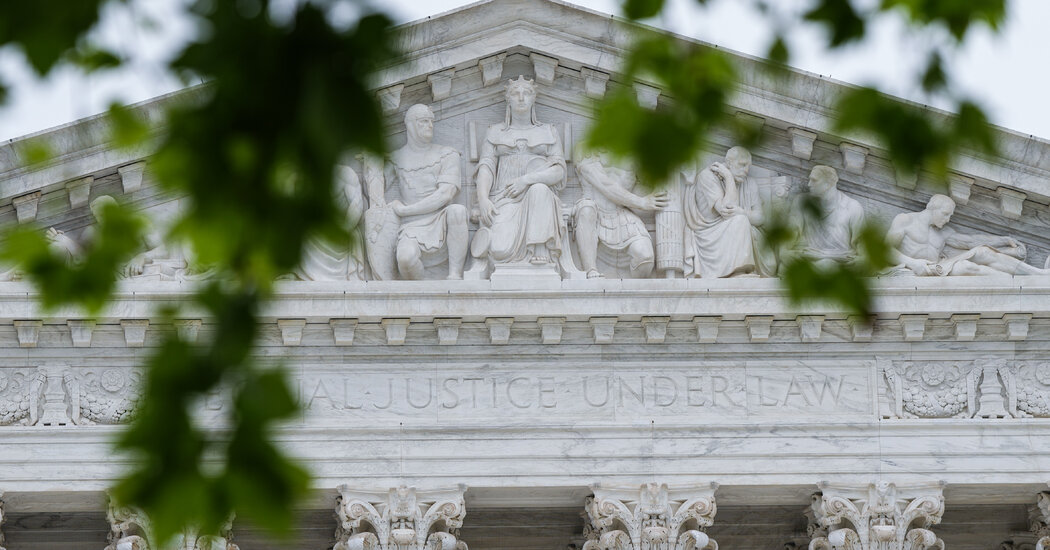
The Jurisdictional Conflict: Executive Order vs. Judicial Review
Recent federal litigation has highlighted a systemic shift in the balance of power, as the judiciary increasingly challenges executive mandates in immigration. This trend reflects a movement away from broad executive deference toward a framework of strict statutory interpretation, particularly regarding USCIS operational protocols.
Operational Constraints on USCIS Adjudication
Judicial intervention into USCIS processing timelines has effectively limited the agency’s discretionary throughput. By imposing procedural mandates, courts have transformed internal agency metrics into enforceable legal benchmarks. This shift forces USCIS to prioritize procedural compliance over rapid policy implementation, creating a ripple effect that requires more precise, evidence-based resource allocation.
The Evidentiary Burden in Policy Formulation
The invalidation of categorical immigration restrictions—such as those targeting specific country groups—underscores the judiciary’s rejection of poorly substantiated administrative actions. Courts are increasingly demanding that the executive branch satisfy the Administrative Procedure Act (APA) requirements, necessitating a robust, data-driven basis for any policy shift. This legal rigor serves as a structural hurdle, ensuring that policy changes are defensible under judicial scrutiny rather than merely discretionary.
Enforcing Hierarchical Compliance
The judicial admonishment of officials regarding asylum order compliance acts as a critical institutional corrective. By asserting that administrative directives cannot circumvent established law, federal judges have reestablished the priority of legislative mandates over executive policy. This enforcement of hierarchy limits the scope for unilateral changes in border management and asylum procedures.
Long-term Strategic Implications
The cumulative effect of this judicial trend is a permanent recalibration of administrative strategy. Agencies now operate within a framework where judicial challenge is a structural certainty. Consequently, policy design is evolving to be more cautious and legally prophylactic. For stakeholders, this litigation-heavy environment provides a degree of predictability, as it prevents sudden, broad policy pivots and forces the executive branch to operate within clearly defined, court-sanctioned parameters.

Photo by WikiImages on Pixabay.