Institutional Friction and the Erosion of Collective Ethos
Jesse Marsch’s revelation regarding the need to incentivize USMNT player participation in national rituals underscores a burgeoning misalignment between individual athlete branding and institutional identity. This friction signals a shift in the psychological contract of international sports: as high-profile players accrue personal influence independent of governing bodies, the traditional leverage of the federation diminishes. This breakdown in cultural cohesion poses an operational risk, potentially fragmenting the unified front required for high-stakes tournament environments and diluting the brand equity vital for commercial valuations.
Tactical Methodology as Risk Mitigation
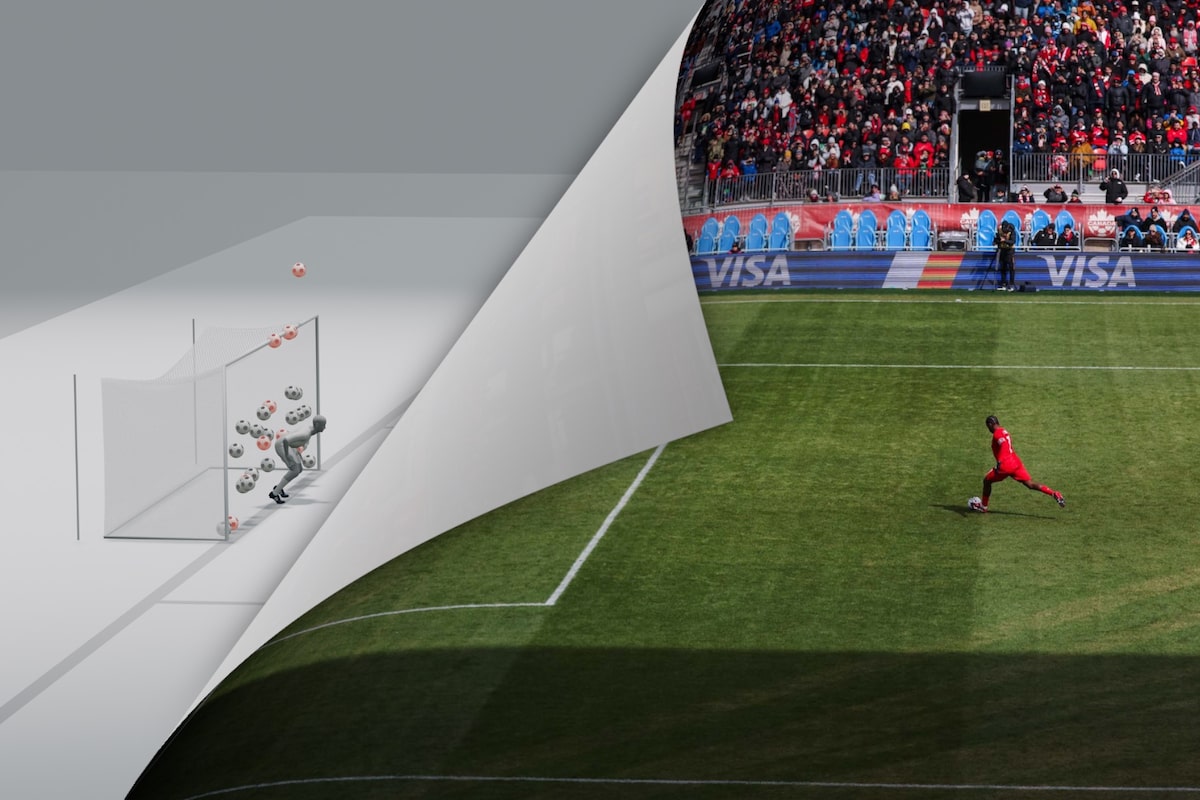
In his tenure with Canada Soccer, Marsch has pivoted toward a philosophy centered on ‘controllables’ to counteract the statistical volatility inherent in knockout-stage football. By prioritizing high-press systems, lateral ‘slide plays,’ and meticulous set-piece preparation—specifically penalty kick protocols—the coaching staff attempts to neutralize the impact of external variables. For a program navigating its highest FIFA rankings, these structured interventions serve as a necessary safeguard, shifting the competitive burden from individual flair to collective tactical discipline.
The Economic and Strategic Weight of FIFA Seeding
Canada’s ascent to the 26th position in the FIFA rankings (currently stabilized at 30th) is a critical fiscal and strategic metric. Higher seeding directly correlates with more favorable tournament paths, reducing the probability of early-round exits against elite opposition and protecting the federation’s capital investment. Furthermore, the institutional stability provided by consistent performance enables more lucrative negotiations with broadcast partners and kit manufacturers, linking tactical execution directly to the organization’s financial health.
The Perceived ‘American Arrogance’ and Leadership Friction
Characterizations of Marsch’s style as ‘American arrogance’ highlight the reputational risks inherent in importing assertive, data-driven management models into established soccer ecosystems. While this perceived confidence can cause short-term tension with local stakeholders, Canada’s Copa America semi-final run suggests that such a disruptive leadership model can drive performance in historically underperforming squads. The long-term efficacy of this approach depends on balancing assertive tactical vision with the cultural nuances of the Canadian program to foster sustainable institutional growth.
Operational Depth: The Mechanics of the Press
The implementation of an elite press requires synchronization that forces turnovers in high-value zones while minimizing opposition recovery time. When the initial press is bypassed, the ‘slide play’ mechanism maintains structural integrity by closing passing lanes laterally. This tactical leverage acts as a force multiplier, allowing mid-tier nations to dictate match tempo against technically superior opponents. As the 2026 World Cup approaches, the ability to harmonize these tactical systems with a unified institutional culture will determine whether North American soccer can achieve a permanent breakthrough on the global stage.