Thai Royal Succession Dynamics Shift Following Princess Bajrakitiyabha’s Passing
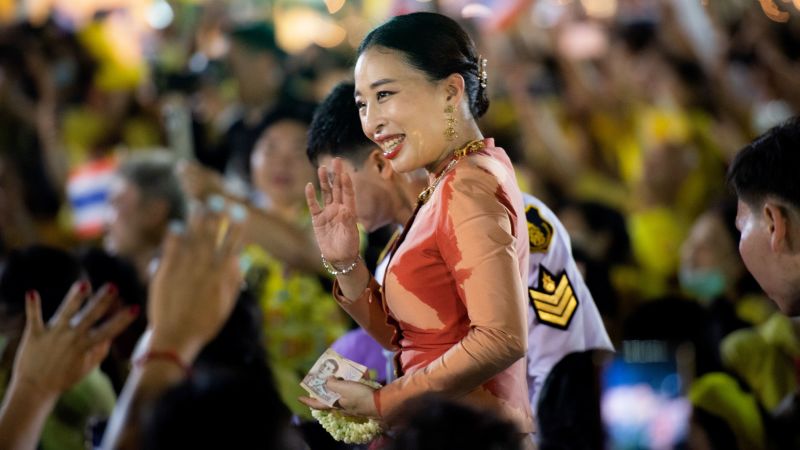
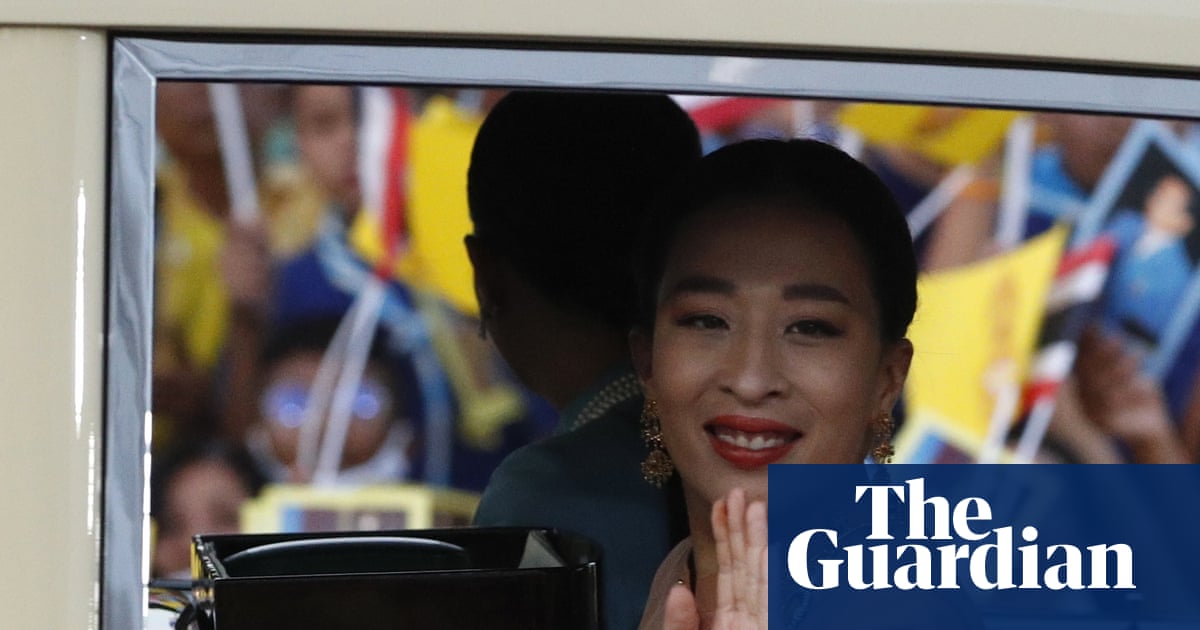
The death of Princess Bajrakitiyabha Mahidol, aged 47, after a prolonged coma, fundamentally alters the landscape of Thai royal succession. Her extended incapacitation and subsequent passing remove a key figure from discussions about the monarchy’s future leadership, necessitating a recalibration of institutional expectations and public discourse.
As the eldest child of King Maha Vajiralongkorn, Princess Bajrakitiyabha held advanced degrees from Cornell University and served in diplomatic and legal capacities. Her public profile and academic background positioned her as a prominent potential successor, making her health status a subject of significant national attention.
Palace statements detailed her medical decline, citing multiple organ infections, cardiac arrhythmias, and gastrointestinal issues including inflammation and infection. Reliance on life support for vital functions underscored the critical nature of her condition preceding her death.
Hospitalized in December 2022 after collapsing due to heart problems during a training exercise, her condition necessitated transfer to Bangkok for specialized care, marking the onset of her extended incapacitation.
The official announcement of her death followed a critical deterioration, attributed to intra-abdominal infection, colitis, hemodynamic instability, and coagulopathy. These medical complications suggest a cascade of systemic failures that proved medically insurmountable.
Princess Bajrakitiyabha was notably engaged in social issues, particularly advocating for the welfare of female prisoners, aligning her with progressive humanitarian efforts within the royal mandate.
Her professional experience as an attorney in the Thai Office of the Attorney-General (2006-2011) and as ambassador to Austria provided practical insights into state institutions and international relations, crucial for understanding governance and foreign policy dynamics.
The prolonged coma, spanning nearly four years, created a vacuum in the immediate succession line that had widely anticipated her inclusion. This absence allowed for discrete consolidation of other potential lines of royal continuity.
The Thai government’s declaration of a mourning period signifies the national importance of the royal family and Princess Bajrakitiyabha’s symbolic position, reinforcing institutional loyalty and national unity under monarchical patronage.
The palace’s management of public information regarding her health, characterized by infrequent updates and strategic release of medical details during critical phases, aimed to maintain decorum and prevent undue public anxiety while safeguarding institutional privacy.
The worsening of her condition in early May indicated a critical deterioration that medical interventions could not reverse. The inability to stabilize her cardiac function amidst multiple infections points to profound systemic challenges.
The progression from gastrointestinal infection to systemic instability highlights the interconnectedness of physiological systems, demonstrating how localized issues can rapidly escalate to life-threatening conditions affecting vital functions.
The reliance on life support for renal and respiratory functions illustrated the extent of her dependency on artificial means, signifying her body’s inability to sustain essential functions independently.
Born in 1978 to then-Crown Prince Vajiralongkorn and Princess Soamsawali, her lineage placed her at a significant juncture within the royal family, with expectations shaped by her proximity to the throne.
Her academic achievements, including a doctorate from Cornell, demonstrate a commitment to intellectual rigor and analytical capability, assets for any potential leadership role, informing policy analysis and strategic thinking.
Her tenure within the Attorney General’s office provided direct exposure to the state’s legal framework and the application of justice, critical for understanding governance and the rule of law.
Serving as ambassador to Austria offered a platform for engaging in international diplomacy and representing Thailand globally, fostering diplomatic skills and an appreciation for geopolitical dynamics.
Her role as a UN goodwill ambassador broadened her engagement with international development agendas and humanitarian concerns, fostering international cooperation and a deeper understanding of global challenges.
The palace’s communication strategy balanced transparency with institutional discretion, informing the public while respecting the privacy and dignity of the royal family.
The timing of her death, following significant health deterioration, concludes a period of uncertainty regarding her immediate role in succession, prompting a re-evaluation of institutional planning and public perception.
Princess Bajrakitiyabha’s legacy will likely be defined by her public service, academic achievements, and her unrealized potential in royal succession. Her life and passing offer a case study at the intersection of personal health, royal duty, and national expectation within a constitutional monarchy.
The institutional implications of her passing extend to the continuity of the monarchy and future leadership planning. The absence of a clearly designated heir apparent, following her prolonged incapacitation and death, shifts focus to other branches of the royal family.
Public engagement with royal news in Thailand is deep-rooted, with the health of senior royals being a matter of significant national interest. The extended illness and eventual announcement of her death represent a pivotal event in the national consciousness.
Strategic decisions within the royal institution and government regarding succession planning must now account for this significant shift. The absence of Princess Bajrakitiyabha from immediate succession calculations necessitates a reassessment of potential pathways and consolidation of support for alternative candidates.
The capital movement, in terms of public attention and institutional focus, will now shift towards other royal family members, influencing patronage networks, public perception, and the broader political economy surrounding the monarchy.
The monarchy’s performance leverage, tied to its symbolic authority and perceived stability, may be indirectly affected by changes in succession clarity. A clear succession line is generally a stabilizing factor for monarchical institutions.
The competitive dynamics within succession scenarios are complex and opaque. The removal of a strong contender like Princess Bajrakitiyabha simplifies certain dynamics while potentially creating new ones, shifting focus to identifying and supporting the next most viable candidates.
Historical patterns of Thai royal succession, though varied, often involve intricate familial relationships and political considerations. Princess Bajrakitiyabha’s passing fits into a broader narrative of dynastic continuity and its inherent challenges across generations.
The largely uncodified regulatory frameworks surrounding Thai royal succession, subject to tradition and royal prerogative, mean events like the Princess’s death can have a more fluid and less predictable impact on institutional direction.
Economic models underpinning monarchical institutions, involving royal assets and state patronage, are indirectly influenced by succession stability. A stable succession ensures the continuity of these economic relationships and resource flows.
The media context surrounding Thai royal events is carefully managed, with official palace statements serving as primary information sources. The narrative of Princess Bajrakitiyabha’s illness and death has been shaped by these official communications, emphasizing dignity and national mourning.
The profound cultural significance of the monarchy in Thailand means that the health and lineage of its members resonate deeply. The passing of a princess of her stature carries significant cultural implications, reinforcing traditions and collective memory.
The structural logic of the Thai monarchy, emphasizing lineage and symbolic authority, is tested by events such as prolonged illness or the death of key figures. The institution must continually adapt to maintain its societal position.
Stakeholder-level effects are broad, encompassing the royal family, government officials, the military, business elites, and the general populace, all of whom have an interest in the monarchy’s stability and continuity.
The monarchy’s positioning as a central pillar of the Thai state means that perceived succession uncertainty can ripple across sectors like tourism and investment, which rely on political stability.
The long-term competitive and institutional consequences of Princess Bajrakitiyabha’s death are still unfolding, but it undeniably reshapes the immediate future of the Thai monarchy and its role in the nation’s evolving political and social landscape.