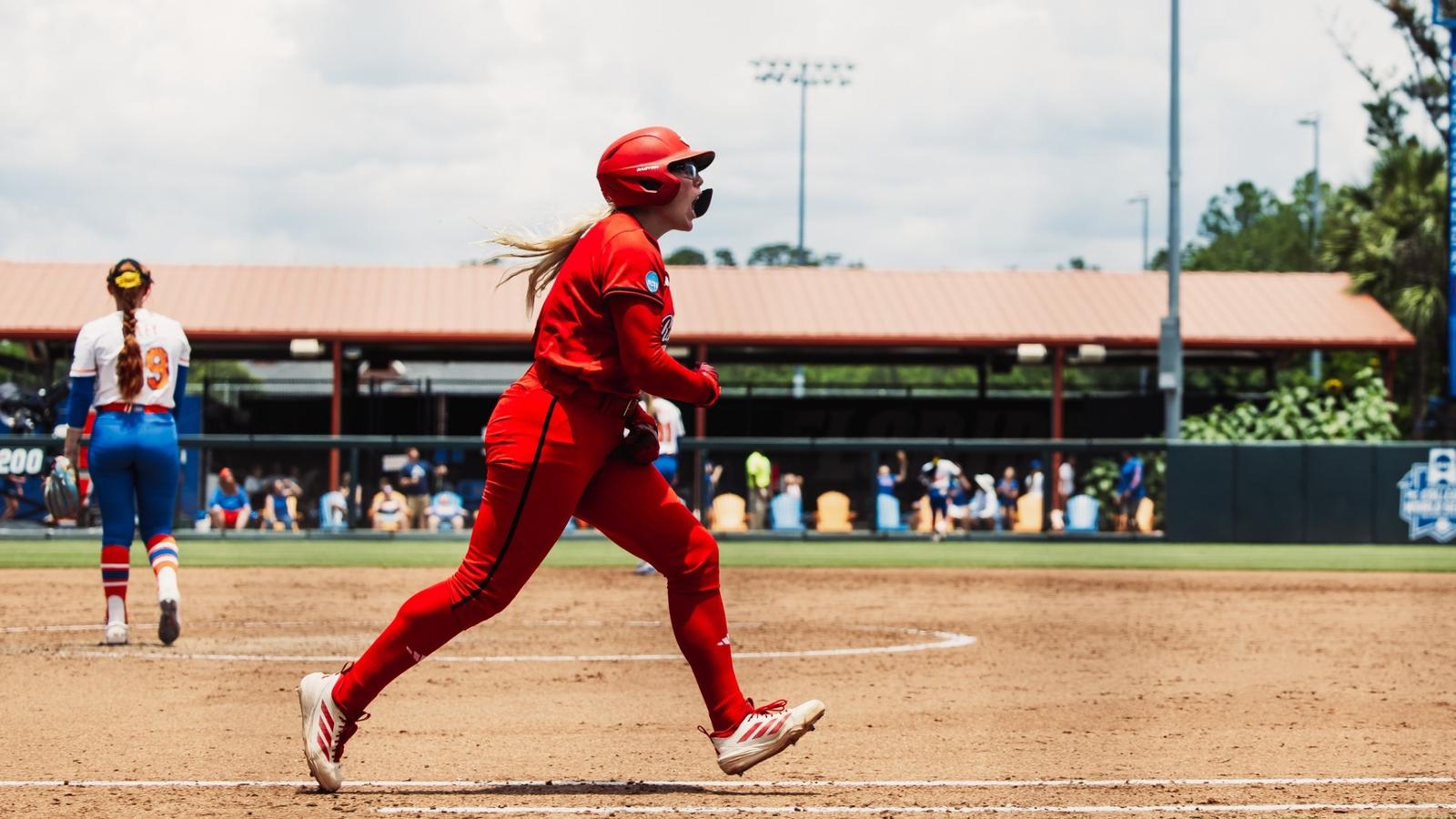
Postseason Volatility: Florida’s Tactical Response in Game 2
The 2026 Gainesville Super Regional has evolved into a high-stakes tactical stalemate following Florida’s 10-2 victory over Texas Tech. By forcing a Game 3, the Gators neutralized the Red Raiders’ initial momentum from Game 1, transitioning the series into a definitive test of pitching depth and roster endurance. This shift underscores a critical reality of postseason softball: the rapid obsolescence of scouting reports as elite lineups achieve timing synchronization across consecutive matchups.
Operational Breakdown of Offensive Adjustments
Florida’s Game 2 performance, defined by 14 hits and a decisive run-rule margin, suggests a successful exploitation of Texas Tech’s pitching tendencies. The Gators’ early two-run home run disrupted the Red Raiders’ defensive rhythm, a stark contrast to the high-scoring but inefficient output of Game 1. This aggressive approach leveraged the home-field environment of Katie Seashole Pressly Stadium to apply sustained pressure on a Texas Tech rotation that appeared increasingly fatigued.
The early removal of NiJaree Canady in the fourth inning served as a primary indicator of Florida’s offensive calibration. Canady, despite recording her 24th win in relief during Game 1, struggled to replicate her dominance as a starter in the second matchup. The Gators’ ability to identify timing windows led to a rapid degradation of Texas Tech’s primary pitching asset, forcing a reliance on Samantha Lincoln, who similarly encountered high-volume contact. Conversely, Texas Tech’s failure to convert baserunners—leaving 10 on base—highlighted a deficit in situational hitting that fundamentally altered their strategic flexibility.
Strategic Leverage and Media Ecosystem Implications
The scheduling of the rubber match for 12 p.m. on ESPNU highlights the commercial value of the Gainesville bracket. Featuring a premier broadcast team of Beth Mowins, Michele Smith, Jessica Mendoza, and Holly Rowe, the game serves as a marquee event with significant reputational stakes. For Texas Tech, a victory represents a structural elevation of the program’s national standing and a validation of recent talent investment. For Florida, forcing a third game reinforces institutional resilience and the ability to thrive under elimination pressure.
Pitching deployment in Game 3 will likely prioritize high-frequency rotations to prevent hitter familiarity. Both coaching staffs must balance immediate results against player welfare, with the threshold for relief intervention reaching a seasonal low. The program that more effectively synthesizes data from the first 14 innings into a coherent defensive plan will likely secure the berth to Oklahoma City. This environment rewards teams capable of masking bullpen tendencies while maintaining defensive consistency behind the circle.
Economic and Programmatic Consequences
Advancement to the Women’s College World Series (WCWS) triggers substantial institutional benefits, including increased donor engagement, apparel contract leverage, and Name, Image, and Likeness (NIL) visibility. The loser of the Gainesville finale faces an immediate transition to offseason roster management and the transfer portal, emphasizing the binary nature of NCAA postseason outcomes. As the series concludes, the focus remains on whether Florida’s resurgent offense or Texas Tech’s potential counter-adjustments will dictate the trajectory of the 2026 season.