Strategic Context of the International Friendly
The June 3, 2026, friendly between Poland and Nigeria at PGE Narodowy serves as a critical diagnostic for both national teams. With the 2026 FIFA World Cup approaching, these fixtures function as essential stress tests for tactical systems and squad depth rather than mere exhibitions. For Poland, led by Michal Probierz, the match is a crucial opportunity to recover from recent defeats to Ukraine and Sweden, addressing a performance deficit that has dampened public confidence.
Operational Challenges and Roster Volatility
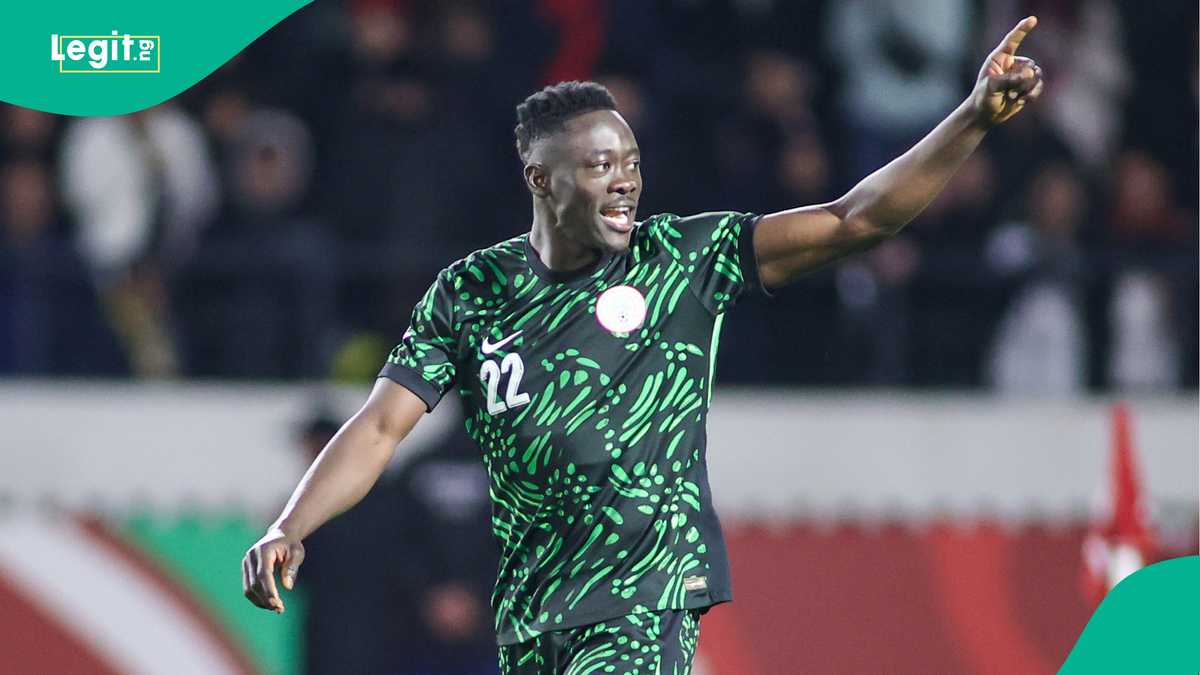
Nigeria enters the match with recent success in the 2026 Unity Cup, yet faces significant operational disruptions. The unavailability of key personnel, including Victor Osimhen and Ademola Lookman, combined with visa-related logistical hurdles for players like Yusuf Alhassan and Tijani Samson, forces manager Eric Chelle to test his squad’s resilience. These absences provide a high-stakes environment for technical staff to evaluate fringe players and the overall robustness of their tactical framework.
Market Dynamics and Player Valuation
The absence of high-value assets like Osimhen shifts the focus of scouts and club representatives toward emerging talents. For Akor Adams, tasked with anchoring the Nigerian attack, this match acts as an audition to elevate his standing within the national team hierarchy and the European transfer market. Such fixtures allow federations to gather data on player utility under pressure, a strategic requirement for navigating the condensed intensity of a World Cup tournament.
Institutional Positioning
Poland must demonstrate tactical evolution to stabilize their standing at home. The pressure on the coaching staff is twofold: they must secure a favorable result to silence institutional criticism while simultaneously proving their team can compete against structurally distinct international styles. For Nigeria, successfully deploying a modified lineup against European opposition would validate the depth of their system, providing valuable data for final tournament selection.
Long-term Stakeholder Consequences
The result of this fixture will directly influence the market perception of individual players and the long-term strategic trajectory of both federations. For management, balancing experimental rotation with the necessity of a positive result defines the success of their preparatory cycle. As the 2026 World Cup approaches, the margin for error narrows, making the tactical and logistical decisions observed on June 3 vital indicators of each nation’s competitive readiness.