Critical Suspension Failure Triggers ‘Do Not Drive’ Advisory
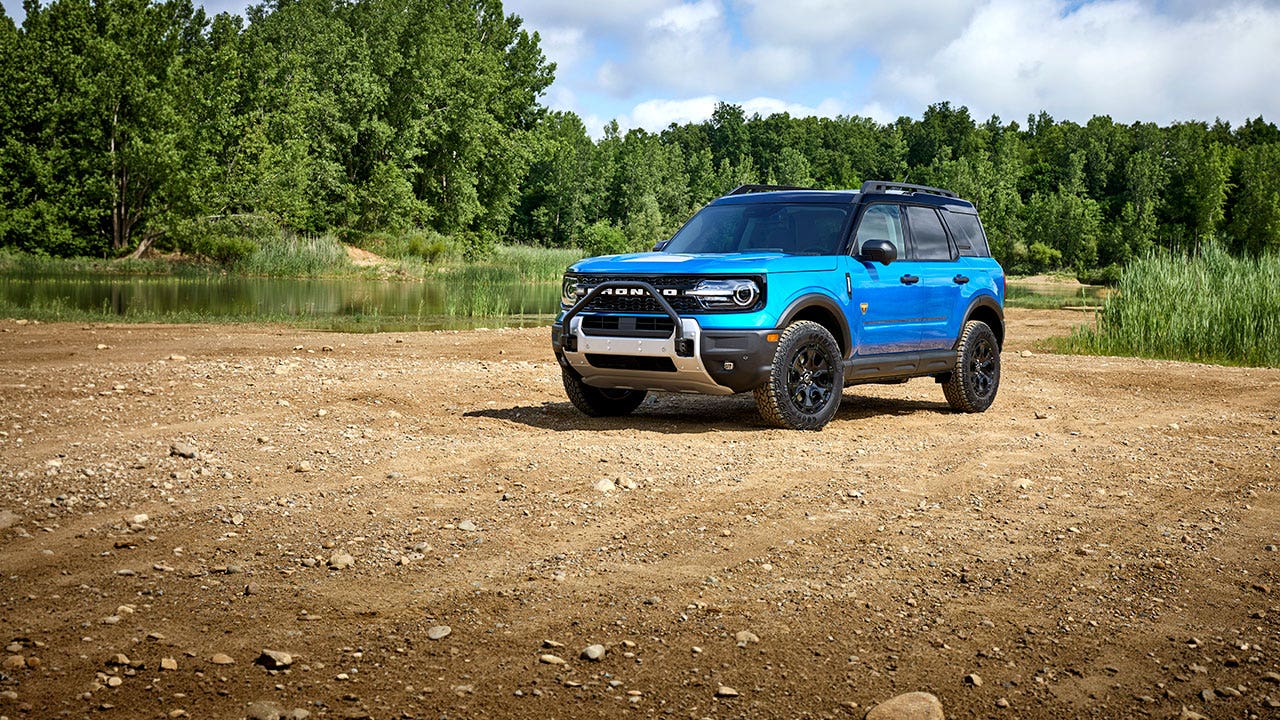
Ford Motor Company has issued a high-priority ‘Do Not Drive’ advisory for 4,653 vehicles, specifically targeting 2021-2026 Bronco Sport and 2022-2026 Maverick models. The directive stems from a manufacturing defect in the front lower control arm ball joints, which may have been improperly installed or repaired at the assembly plant. A failure in this critical junction can cause the front suspension to collapse, resulting in an immediate loss of steering control and significantly elevating the risk of high-speed collisions.
The affected population includes 2,357 Mavericks and 2,296 Bronco Sports. This specific recall (NHTSA ID 24V-348) bypasses standard service intervals due to the imminent threat of component detachment. Ford’s Quality Management System (QMS) identified the root cause as an assembly-level torque or alignment deviation. To mitigate risk, Ford is deploying mobile repair units and towing services to inspect and secure ball-joint-to-knuckle attachments, ensuring vehicles are not operated until they meet original engineering specifications.
Expansion of Expedition and Navigator Seat Belt Recalls
Simultaneously, Ford expanded a massive safety action involving approximately 420,000 vehicles, covering 2018-2022 Ford Expedition and Lincoln Navigator models. This expansion (NHTSA ID 24V-435) supersedes two prior recalls, indicating that initial remediation efforts were insufficient to resolve faulty seat belt retractors. The defect involves internal locking mechanisms that may engage inadvertently or fail to extend, compromising occupant restraint during sudden deceleration.
This technical failure has been linked to at least one reported injury and numerous warranty claims. The decision to widen the scope to include more model years and the luxury Lincoln variant highlights the challenges of cross-platform safety integration. Dealers are now mandated to inspect and replace both driver and front-passenger retractors, a logistical undertaking that places significant strain on Ford’s service capacity and warranty reserves.
Strategic Implications for Ford’s Quality Control
These concurrent safety actions underscore a period of intense regulatory and operational pressure for Ford. The ‘Do Not Drive’ designation is a rare regulatory threshold that signals a breakdown in tier-1 supplier oversight or final assembly protocols. For investors and stakeholders, the recurrence of the seat belt issue suggests a need for more robust root-cause analysis in early-stage recalls to prevent the compounding costs of multi-phase safety expansions.
While the Maverick and Bronco Sport are vital to Ford’s growth in the compact segment, persistent quality alerts may impact brand equity. The financial burden of these recalls—encompassing logistics, parts, and dealer labor—continues to challenge Ford’s margins as it navigates a broader institutional push toward manufacturing stabilization and enhanced vehicle reliability.