The Persistence of Impunity in Sudan
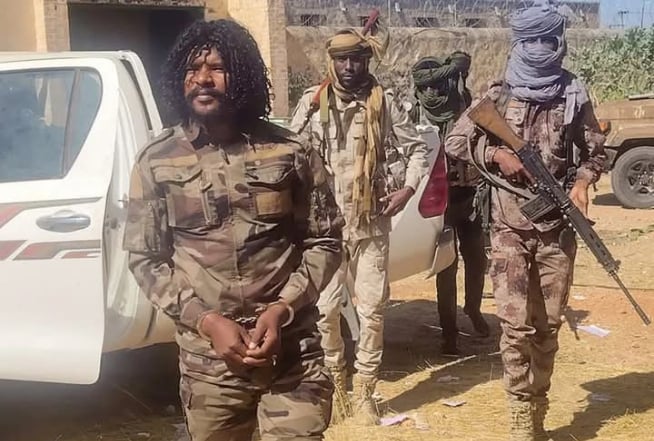
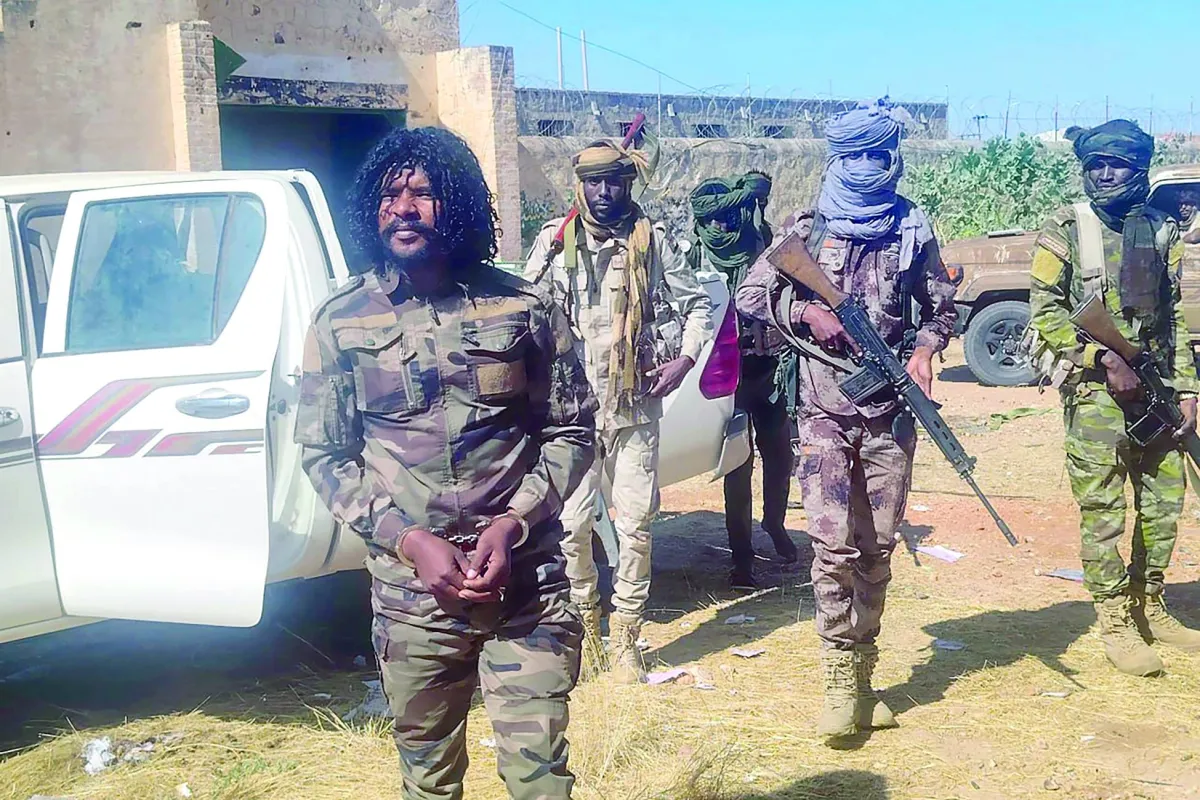
The return of Brigadier General Al-Fateh Abdullah Idris, known as ‘Abu Lulu,’ to active combat operations exposes a critical failure in international accountability frameworks. His continued operational status, despite documented links to civilian casualties, suggests that the Rapid Support Forces (RSF) prioritize tactical utility over international humanitarian law.
This is not an isolated instance of individual misconduct; it is a structural feature of a paramilitary hierarchy that weaponizes impunity. By retaining commanders associated with atrocities, the RSF signals to its ranks that violence against civilians is an acceptable standard operating procedure, effectively codifying abuse as a tactical asset.
The Strategic Cost of Normalized Atrocity
In regions such as el-Fasher, the RSF’s conduct defies conventional military discipline. The proliferation of digital evidence documenting these actions creates a paradoxical environment: while war crimes are captured in real-time, the global institutional capacity to enforce consequences remains paralyzed. For diplomatic stakeholders, the presence of figures like Abu Lulu complicates humanitarian engagement, as the paramilitary leadership demonstrates no intention of integrating accountability into their internal strategic calculus.
Institutional Amnesia and Geopolitical Fatigue
The international community is currently grappling with ‘geopolitical fatigue,’ where the Sudanese crisis risks slipping from active priority to a frozen conflict. This shift allows for a dangerous form of institutional amnesia, in which the magnitude of individual atrocities is obscured by the broader scale of humanitarian catastrophe. Survivors’ testimonies serve as the primary counter-narrative to official silence, preserving evidence that combatants seek to bury through continued, opaque participation in the conflict.
The Gap Between Documentation and Justice
Digital documentation has transformed how we record the conflict, yet it has not effectively altered the battlefield trajectory. While the visual evidence of Abu Lulu’s activities is widely recognized, a persistent disconnect exists between digital trails and legal outcomes. Without enforcement mechanisms to bridge this gap, high-resolution evidence risks becoming a historical archive rather than a catalyst for immediate justice.
Structural Implications for Regional Security
The reintegration of commanders who operate with visible disregard for civilian life has profound regional security implications. It lowers the threshold for acceptable military conduct, increasing the potential for conflict escalation. As international observers attempt to mediate, the inability to isolate these individuals undermines peace frameworks, as the RSF’s core leadership remains committed to a strategy defined by force rather than diplomacy.
The El-Fasher Precedent
The fall of el-Fasher serves as a case study for unchecked paramilitary expansion. The retention of figures like Abu Lulu reveals a deliberate organizational choice: prioritizing the loyalty of ruthless field commanders over the legal and reputational risks of international scrutiny. This precedent dictates current operations across other contested territories.
The Broader Context of Conflict Destruction
The systematic erasure of infrastructure in Sudan parallels the destruction seen in other modern urban conflicts. For civilians like Hala Farah, the displacement and loss of heritage represent a permanent alteration of their social reality. This destruction is not a byproduct of war but a tactical instrument of displacement.
Evaluating the Future of Accountability
The resolution of the Sudan conflict remains tethered to the international community’s capacity to pierce the veil of impunity. If the current status quo persists, the cycle of violence will continue, reinforced by the lack of consequences for those directing operations. Challenging this impunity is the prerequisite for any viable transition to stability.