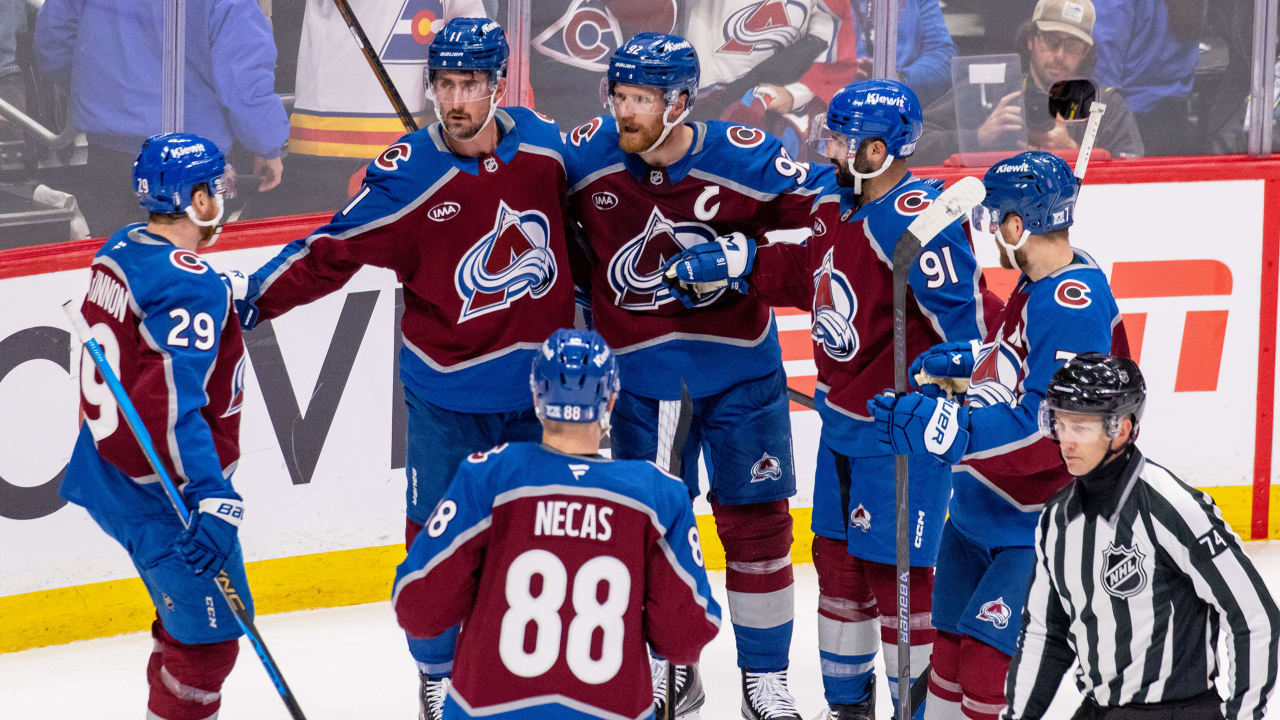
The opening match of the Western Conference Final has immediately altered the competitive equilibrium between the Vegas Golden Knights and the Colorado Avalanche. By securing a 4-2 victory at Ball Arena, the Golden Knights did not merely claim a singular win; they successfully disrupted the home-ice advantage that Colorado worked throughout the regular season to establish. This initial outcome introduces a complex set of strategic pressures for both organizations, forcing immediate adjustments in coaching philosophy, roster management, and tactical execution.
The Statistical Weight of the Game 1 Deficit
In the high-stakes environment of the National Hockey League postseason, the opening game of a best-of-seven series carries profound mathematical significance. Historical data indicates that visiting teams securing a Game 1 victory establish a 57 percent probability of ultimately winning the series. This statistical shift places an immediate burden of proof on the Colorado Avalanche, who must now navigate the psychological and tactical realities of playing from behind. For Vegas, the victory validates their road strategy and provides a crucial cushion as they attempt to consolidate their lead before the series shifts locations.
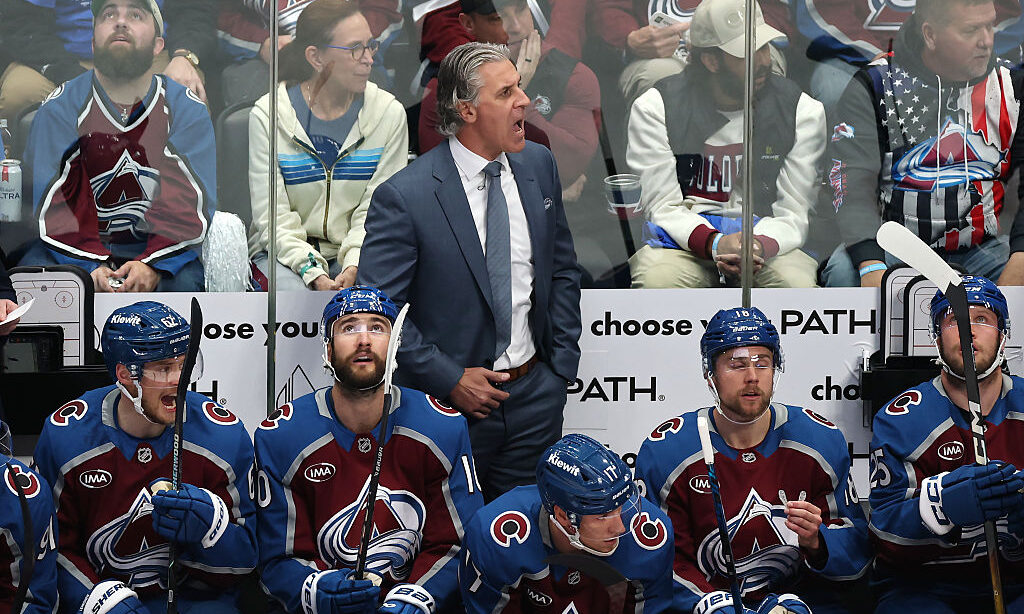
Despite the unfavorable shift in probability, the Avalanche organization possesses a historical precedent of resilience under head coach Jared Bednar. Throughout his tenure, Colorado has compiled an 11-7 record in Game 1 matchups, demonstrating an ability to recover and secure series victories in two of those instances where they dropped the opener. This track record suggests that the coaching staff is highly capable of diagnosing early-series failures and implementing structural corrections. The challenge, however, lies in executing these adjustments against a highly disciplined Vegas squad that has already demonstrated its ability to protect a lead under intense pressure.
The strategic urgency of Game 2 is further amplified by the operational demands of the postseason schedule. Falling into a 2-0 deficit before traveling for subsequent games historically reduces a team’s advancement probability to critical lows. Consequently, the upcoming matchup at Ball Arena represents a vital pivot point where Colorado must leverage its home-ice environment to neutralize the Golden Knights’ momentum. The financial and competitive implications of this game will reverberate through both franchises, influencing coaching decisions, line matching, and physical engagement levels.
Coaching Philosophy and the Mitigation of Panic
In moments of competitive adversity, the temperament of the head coach serves as a critical stabilizing force for an entire organization. Jared Bednar’s measured response to the Game 1 defeat highlights a deliberate leadership strategy designed to prevent systemic panic within the roster. Rather than resorting to high-intensity rhetorical interventions or disruptive lineup overhauls, Bednar has emphasized continuity and analytical reflection. This approach is intended to reinforce the players’ confidence in their established systems rather than introducing unnecessary variables during a critical juncture.
This coaching philosophy is grounded in the team’s exceptional regular-season performance, which serves as a benchmark for their intrinsic capabilities. During a highly successful 56-win regular season, the Avalanche demonstrated an extraordinary capacity to avoid consecutive losses, never dropping more than two games in a row. This rare occurrence transpired only three times over the course of the entire campaign, with the most recent instance occurring between March 14 and March 16. By reminding the roster of this historical consistency, the coaching staff seeks to frame the Game 1 loss as an anomaly rather than a systemic failure.
Furthermore, Colorado’s dominant 8-1 run through the first two rounds of the playoffs provides additional empirical support for their current operational model. This high level of efficiency suggests that the core tactical framework remains highly effective and merely requires refinement rather than a complete redesign. Bednar’s refusal to overreact to a single off night is a calculated decision to preserve energy and focus, ensuring that the team’s preparation remains systematic and data-driven. The upcoming performance will serve as a direct test of whether this calm, analytical approach can successfully neutralize the emotional momentum generated by Vegas.
The Structural Impact of Defensive Absences
Perhaps the most critical operational variable currently facing the Colorado Avalanche is the physical status of elite defenseman Cale Makar. As a finalist for the Norris Trophy, awarded annually to the league’s top defenseman, Makar represents a foundational element of Colorado’s defensive transition and offensive generation. His absence from Game 1 due to an undisclosed injury created a significant void in the team’s defensive pairings, directly impacting their ability to suppress the Golden Knights’ transition game. The structural reliance on a player of Makar’s caliber means that his availability, or lack thereof, fundamentally alters the team’s competitive ceiling.
Makar’s participation in consecutive optional skates at the team’s practice facility offers a marginal sign of progress, though his official status remains day-to-day without a definitive timeline for return. The coaching staff’s refusal to provide detailed updates reflects standard postseason gamesmanship, designed to keep the opposition in a state of tactical uncertainty. However, this lack of clarity also forces the Avalanche to prepare dual game plans, complicating their tactical continuity. Managing the minutes and matchups of the remaining defensive corps becomes a delicate balancing act for the coaching staff, particularly against a deep and aggressive Vegas forecheck.
The downstream effects of missing a premier defenseman extend far beyond simple time-on-ice metrics. Special teams units, particularly the power play, lose a primary distributor capable of manipulating defensive structures from the blue line. Additionally, the remaining defensive pairings are forced to assume elevated workloads, increasing the risk of physical fatigue and mental errors as the game progresses. If Makar remains sidelined or plays at a compromised physical capacity, the Avalanche must find alternative ways to replicate his transition efficiency and zone-entry denial capabilities.
Tactical Adjustments and Video Analysis
Following the Game 1 defeat, the Avalanche dedicated their preparation day to extensive film review and an optional skate, focusing on the specific tactical breakdowns that led to the loss. The primary area of concern was the early portion of the game, where the Golden Knights exploited defensive lapses to establish a commanding three-goal lead. Analyzing the spatial positioning and decision-making during these sequences is critical to preventing similar vulnerabilities in Game 2. The coaching staff must identify whether these breakdowns were the result of individual execution errors or systemic flaws in their defensive zone coverage.
Conversely, the third-period pushback from Colorado provides a tactical blueprint for potential success moving forward. During the final frame, the Avalanche managed to dictate the pace of play, generating sustained offensive pressure and narrowing the deficit. This late-game surge demonstrated that Colorado’s offensive systems can penetrate the Golden Knights’ defensive structure when executing at high speed. The challenge for Game 2 will be replicating this level of intensity and execution over a full sixty-minute duration, rather than relying on late-game desperation.
For Vegas, the focus of video analysis will likely center on maintaining defensive discipline under sustained pressure. While their ability to secure an early lead and withstand Colorado’s third-period pushback was commendable, the coaching staff will caution against allowing the Avalanche to dictate the tempo of the game. Neutralizing Colorado’s speed in the neutral zone and limiting turnovers at the blue line will remain central to the Golden Knights’ defensive strategy. The tactical chess match between Bednar and the Vegas coaching staff will continue to evolve as both teams attempt to exploit the weaknesses revealed in the opening matchup.
Broadcasting Dynamics and Commercial Implications
The Western Conference Final represents a premier commercial property for major sports broadcasting networks, including ESPN, Sportsnet (SN), TVA Sports (TVAS), and CBC. The high-profile matchup between two elite franchises generates significant viewership, driving advertising revenue and media engagement across North American markets. A highly competitive, extended series is in the best financial interest of these media partners, who benefit from sustained consumer attention and high-stakes drama. Consequently, the narrative surrounding Colorado’s resilience and Vegas’s tactical execution is amplified across various media platforms, shaping public perception and fan engagement.
The scheduling of Game 2 on a Friday prime-time slot further maximizes the commercial potential of this series. The high concentration of television viewers during this window elevates the pressure on both organizations to deliver a compelling, high-quality performance. For the NHL, the successful execution of these high-profile games showcases the league’s premier talent and competitive balance to a broad international audience. The operational coordination between the league, the host venue at Ball Arena, and the broadcasting networks ensures that the event is presented with maximum production value, reinforcing the prestige of the Stanley Cup Playoffs.
Beyond immediate broadcasting revenue, the outcome of this series has long-term brand implications for both franchises. Success in the later rounds of the postseason enhances local market penetration, drives season ticket renewals, and increases merchandise sales. For Colorado, maintaining their status as a perennial championship contender is vital to sustaining their commercial momentum in the Rocky Mountain region. For Vegas, a deep playoff run solidifies their position as a premier sports franchise in a rapidly growing market, attracting corporate sponsorships and national media coverage.
Long-Term Competitive and Institutional Consequences
The resolution of the Western Conference Final will have lasting institutional consequences for the roster construction and strategic direction of both organizations. In the salary-cap era, the margin for error is exceptionally thin, and postseason success often dictates future personnel decisions. A premature exit for Colorado could force the front office to re-evaluate their depth pieces and support structure around their core players. Conversely, a successful series victory would validate the current roster design and reinforce the organization’s competitive window.
For the Vegas Golden Knights, the opportunity to advance to the Stanley Cup Final represents the ultimate validation of their aggressive asset acquisition and roster management strategies. The organization has consistently demonstrated a willingness to make bold, high-risk moves to secure elite talent, and a deep playoff run justifies these significant financial and developmental investments. The competitive pressure to maximize their current championship window remains intense, as the aging curve of key contributors will eventually necessitate a roster transition.
Ultimately, the tactical adjustments and physical battles witnessed in Game 2 will serve as a microcosm of the broader institutional struggle between these two hockey powers. The ability of Jared Bednar to guide his team through this early adversity, combined with the potential return of Cale Makar, will dictate whether Colorado can re-establish control of the series. As the puck drops on Friday night, the strategic decisions made in the film room and the physical execution on the ice will determine which franchise gains the upper hand in this high-stakes pursuit of championship glory.