
Strategic Synergy and Continental Integration
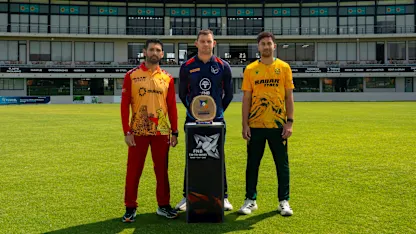
The T20I tri-series at the Namibia Cricket Ground represents more than a regional fixture; it is a sophisticated exercise in logistical and competitive interoperability between three of Africa’s leading cricket boards. By bringing together host Namibia, South Africa, and Zimbabwe for a seven-match tournament, the event establishes a vital operational template. This inaugural triangular format among these neighbors serves as a live-environment stress test for institutional capacity and venue management protocols.
Scheduled from August 28 to September 6, the double round-robin league structure ensures high-frequency match exposure. This design allows technical staff to gather substantial data on player performance under varied pressure gradients. Beyond the immediate scorecards, the series functions as a precursor to next year’s Africa Cup, accelerating the professionalization of the regional competitive calendar.
Operational Prototyping for the 2027 World Cup
The 2027 ICC Men’s Cricket World Cup, co-hosted by South Africa, Zimbabwe, and Namibia, serves as the primary strategic driver for this series. This marks the return of the ODI flagship to African soil for the first time in over two decades, necessitating a unified administrative front. The Windhoek fixtures act as a preliminary audit of the co-hosting framework, testing everything from multi-lateral communication to international media synchronization.
With the recent unveiling of the 2027 brand identity, the tri-series provides a tangible manifestation of this partnership. It allows the respective boards to refine joint operational standards in a high-stakes international environment. For Namibia specifically, the event is a critical opportunity to demonstrate infrastructure readiness and the ability to host Full Member nations under global broadcast standards.
Roster Management and Pipeline Acceleration
South Africa, currently ranked fifth globally, has utilized this window for aggressive talent cultivation. By deploying a developmental squad led by Björn Fortuin, Cricket South Africa (CSA) is balancing senior load management with the need to test its next generation. The inclusion of high-ceiling prospects like Dewald Brevis, Kwena Maphaka, and Lhuan-dre Pretorius—all with significant franchise experience—highlights a focus on deepening the professional talent pool.
For Zimbabwe (ranked 12th), the series is an essential stabilization tool. Navigating a period of programmatic rebuilding, the national team requires consistent high-level fixtures to bridge the performance gap against elite opposition. The tournament provides a structured environment for tactical refinement, allowing the technical team to evaluate squad depth and white-ball consistency ahead of critical qualification cycles.
Namibia’s Assertion of Associate Authority
For the hosts, this series is a vehicle for competitive validation. Captain Gerhard Erasmus has positioned the event as a demonstration of Namibia’s permanence at the elite level, seeking to move beyond the ‘underdog’ narrative. Success against Full Member neighbors on home soil provides the domestic high-performance program with the necessary sporting leverage to attract further investment and commercial interest.
The tournament’s commercial architecture, including digital syndication via FanCode in the Indian market, underscores the rising global interest in African associate cricket. This broadcast reach validates Windhoek as a commercially viable hub for international cricket. By securing global eyes, the series facilitates a sustainable economic model for future multi-nation tournaments, reducing reliance on traditional power centers and fostering regional self-sufficiency.