Strategic Divergence: Momentum-Driven Optimization vs. Structural Volatility
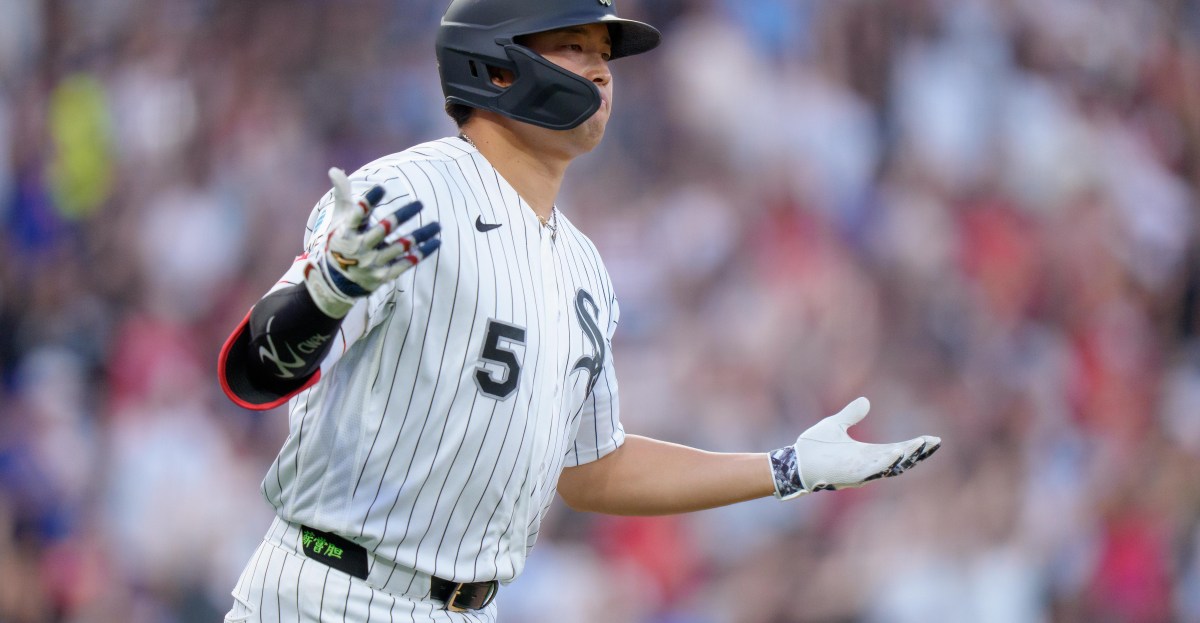
The May 18 encounter between the Chicago White Sox (24-22) and the Seattle Mariners (22-26) at T-Mobile Park serves as a case study in contrasting organizational trajectories. While Chicago has successfully stabilized its defensive floor and optimized run-production cycles, Seattle remains entangled in a process-result decoupling. The Mariners’ inability to convert divisional proximity into win-column results highlights a period of institutional volatility that stands in stark contrast to Chicago’s recent 7-of-8 win streak.
Offensive Mechanics: Sustainable Run-Production Cycles
Chicago’s offensive output has transcended mere statistical variance, evolving into a disciplined, high-leverage approach. Averaging 6.2 runs per game over their recent stretch and plating five or more runs in six consecutive outings, the White Sox have established a sustainable offensive rhythm. This surge is predicated on aggressive sequencing and exploiting location errors, as evidenced by their 16-run aggregate in the previous series against Seattle. The strategic removal of negative-value assets, notably Gavin Sheets, has streamlined the lineup, allowing for a more dynamic distribution of plate appearances to high-upside contributors.
Pitching Analysis: Rookie Efficiency vs. Velocity Decay
The mound duel features a significant disparity in current performance metrics. Chicago’s Noah Schultz has demonstrated elite efficiency for a rookie, maintaining suppressed hit and home run rates that provide a high-reliability floor. His ability to mitigate hard-contact percentages minimizes the risk of the ‘big inning’ that has historically plagued Chicago’s road performances.
Conversely, Seattle’s Bryan Woo is grappling with palpable regression in his primary arsenal. Tracking data indicates a decline in the effectiveness of his four-seam fastball—a pitch that previously served as his foundational high-value tool. This decay forces Woo into a precarious reliance on secondary offerings, increasing his vulnerability against a White Sox lineup currently leading the league in punishing zone mistakes. Without the requisite ‘stuff’ to bail out poor counts, Woo faces a steep uphill battle against Chicago’s momentum.
The Crawford Factor and Infield Destabilization
The tactical landscape is further shifted by the absence of Mariners shortstop J.P. Crawford. His exit following a hit-by-pitch creates a multi-dimensional vacuum; Seattle loses its primary on-base threat and a stabilizing defensive anchor. This injury forces a sub-optimal infield reshuffle, likely exposing defensive gaps that Chicago’s contact-oriented hitters are equipped to exploit. For an offense that has failed to exceed four runs in 77% of its last nine games, losing a veteran catalyst like Crawford significantly lowers the team’s competitive ceiling.
Market Inefficiencies: Evaluating the +150 Underdog Status
From a quantitative betting perspective, the White Sox at +150 represents a significant market mispricing. Odds-makers appear to be over-weighting traditional home-field advantage and the perceived volatility of a rookie starter. However, when adjusted for Chicago’s offensive efficiency and Seattle’s 6-of-9 loss slide, the value lies squarely with the visitors. Furthermore, the 7.5 Over/Under line likely underestimates the volatility of Woo’s current form. Given Chicago’s consistent run-production, the probability of a high-scoring environment is higher than the current market consensus suggests.
Conclusion: Institutional Fortitude vs. Operational Decay
This series represents more than a mid-season standings adjustment; it is a collision of identity. Chicago’s move toward roster optimization has yielded immediate dividends, while Seattle’s ‘horrific process’ threatens to derail their 2026 postseason aspirations. Unless the Mariners can arrest the regression of their starting rotation and navigate the Crawford injury through tactical innovation, the White Sox are positioned to continue their ascent within the American League hierarchy.