The Strategic Evolution of the Yellowstone Franchise
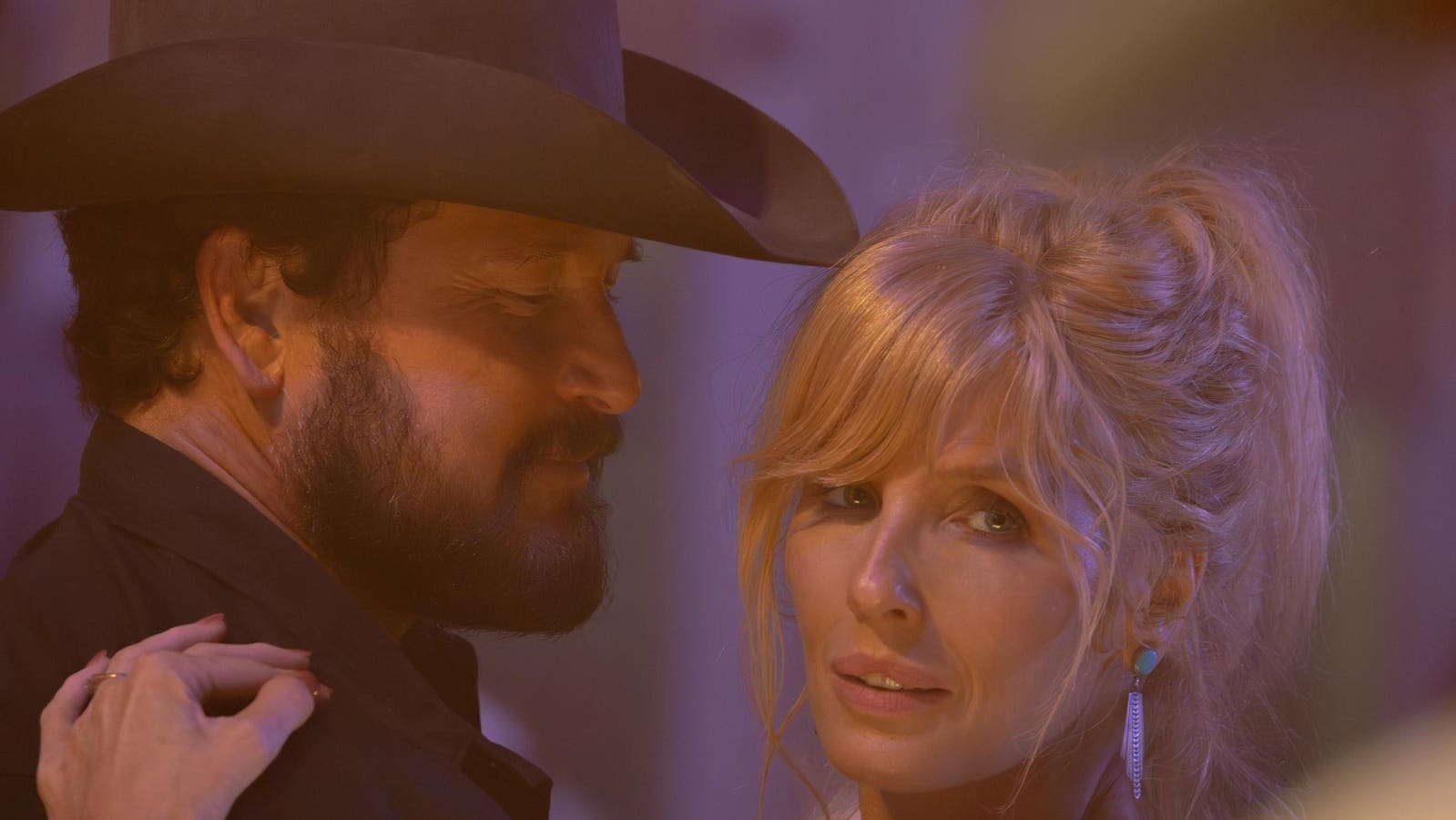
The transition to Dutton Ranch marks a calculated recalibration of the Yellowstone intellectual property. By relocating central characters Beth Dutton and Rip Wheeler from their established Montana stronghold to a 7,000-acre operation in South Texas, the franchise effectively pivots from regional dominance to an exploration of unfamiliar territory. This geographic shift serves as a narrative hedge, maintaining established audience equity while resetting the competitive stakes within a volatile, high-stakes environment.
Operational Dynamics in the Texas Landscape
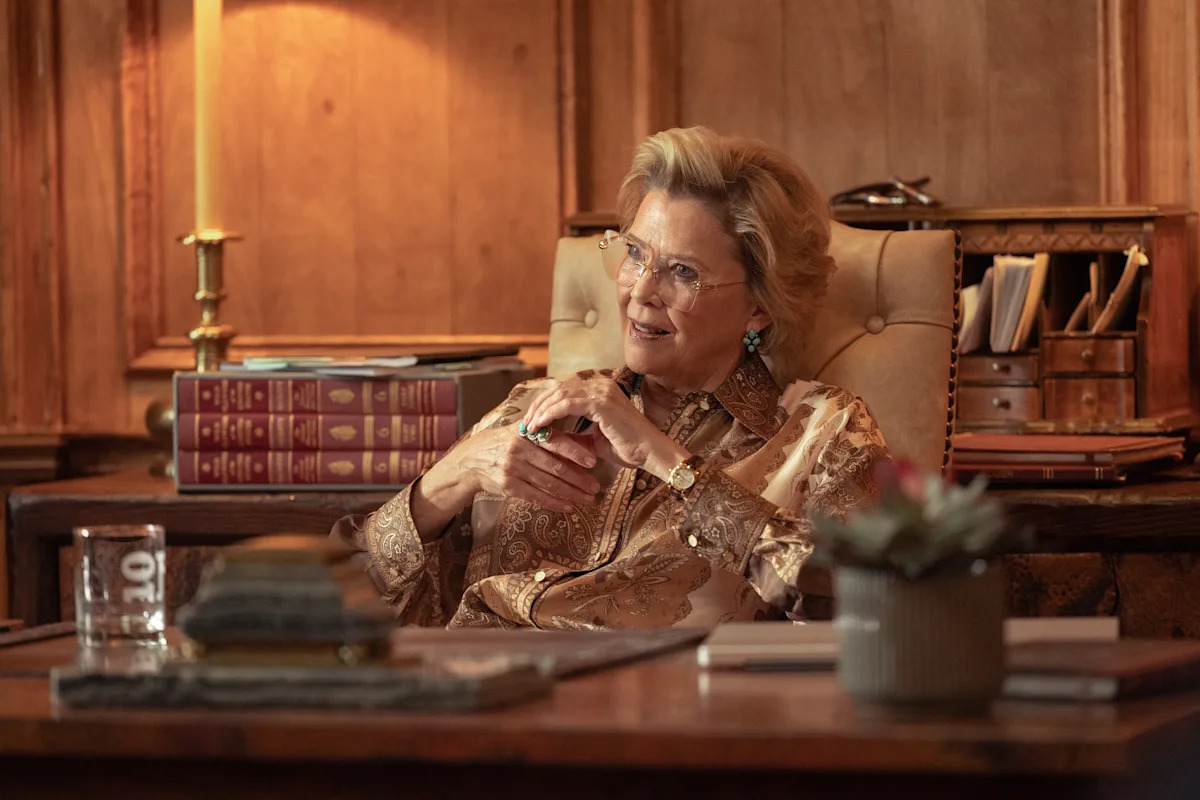
Moving the narrative to the 10 Petal Ranch introduces significant operational friction. The introduction of Beulah Jackson, portrayed by Annette Bening, serves as the primary structural antagonist. Unlike the antagonists in Montana who were often subservient to the Duttons’ established power, Jackson represents an entrenched institutional force that compels the protagonists to operate without their traditional leverage. This dynamic forces a evolution in their conflict management strategies, emphasizing professional vulnerability over brute territorial force.
Competitive and Economic Implications
Casting Annette Bening is a strategic move to secure critical performance depth, elevating the series’ competitive positioning within a saturated streaming market. The narrative focus remains consistent with Taylor Sheridan’s thematic preoccupation with land ownership and multi-generational business friction. By testing the Duttons against new socio-economic pressures in Texas, the franchise successfully iterates on its core value proposition: the high-stakes intersection of corporate ambition and family legacy.
Narrative Continuity and Character Arc
The inclusion of Finn Little as Carter ensures continuity, anchoring the new narrative arc in the character development of the previous series. This link is vital for maintaining long-term viewer engagement. Furthermore, the shift toward a narrative of necessity and survival suggests that the protagonists will face challenges that preclude traditional reliance on past, hyper-masculine power dynamics. This evolution is essential for mitigating the risk of creative stagnation and ensuring the franchise remains relevant beyond the original series’ conclusion in 2024.
Conclusion of the Market Pivot
The success of Dutton Ranch is critical to Paramount’s content strategy, serving as a standard yet necessary exercise in asset extension. By centering the story on the chemistry between Kelly Reilly and Cole Hauser while simultaneously embedding them in a complex, antagonistic environment, the production balances risk with the promise of narrative growth. Ultimately, the show functions as a reflection of real-world land management complexities, transmuting modern agricultural and power-struggle themes into a compelling, episodic framework.