
The abrupt withdrawal of veteran umpire Brian O’Nora during the Chicago Cubs and Chicago White Sox series serves as a critical stress test for Major League Baseball’s (MLB) operational continuity. A high-velocity foul ball off the bat of Jarred Kelenic struck O’Nora in the jaw during the fourth inning, necessitating an immediate transition in game governance. This incident underscores the occupational morbidity inherent in professional officiating and the systemic redundancies designed to preserve the integrity of play under emergency conditions.
Operational Redundancy and Labor Pipelines
The immediate tactical shift—moving Erich Bacchus behind the plate and finishing with a three-man crew—highlights the adaptive requirements of modern officiating. Operating with a reduced staff significantly increases the cognitive load per official, as coverage zones and sightlines are recalibrated in real-time. This mid-game adjustment is a calculated risk, balancing the logistical impossibility of an immediate replacement against the necessity of professional accuracy.
The subsequent deployment of Triple-A call-up John Bacon for the following game illustrates the depth of MLB’s labor pipeline. This rapid integration of minor league talent into the major league ecosystem is a vital structural safeguard. It ensures that while veteran experience is momentarily lost, the officiating infrastructure remains robust, preventing a degradation in the quality of game management during a 162-game season.
Neurological Protocols and Specialized Recovery
O’Nora’s referral to the Sports Concussion Center at Banner-University Phoenix signals a transition from immediate trauma care to formalized neurological gatekeeping. The clinical path to reinstatement is now detached from operational demand; the league’s protocols mandate objective, data-driven clearance rather than subjective self-reporting. For a veteran of 34 seasons, this process is essential to mitigate the cumulative risks of head trauma in a sport where exit velocities continue to escalate.
The diagnosis of a concussion, accompanied by reported memory loss and persistent headaches, triggers a non-negotiable sequence of cognitive testing. This institutional barrier to re-entry prioritizes long-term neurological health over labor availability. By utilizing specialized facilities in Phoenix, MLB ensures that the assessment of an official’s reaction speed and cognitive readiness meets the same rigorous standards applied to active players.
Institutional Memory and Future Safety Standards
O’Nora’s tenure, dating back to 1992, represents a significant repository of institutional knowledge. His absence creates a temporary leadership vacuum on the field, forcing younger officials to manage high-tension scenarios without the stabilizing influence of a senior peer. This loss of experience emphasizes the need for a balanced demographic spread within officiating crews to ensure continuity in conflict resolution and game rhythm.
Finally, the severity of the impact—which O’Nora described as the hardest of his career—suggests that current protective equipment may be reaching a point of diminishing returns against modern physical forces. This event likely prompts a re-evaluation of safety standards for home-plate officials, focusing on energy-dispersing materials and positioning adjustments to account for the increasing velocity of the modern game.
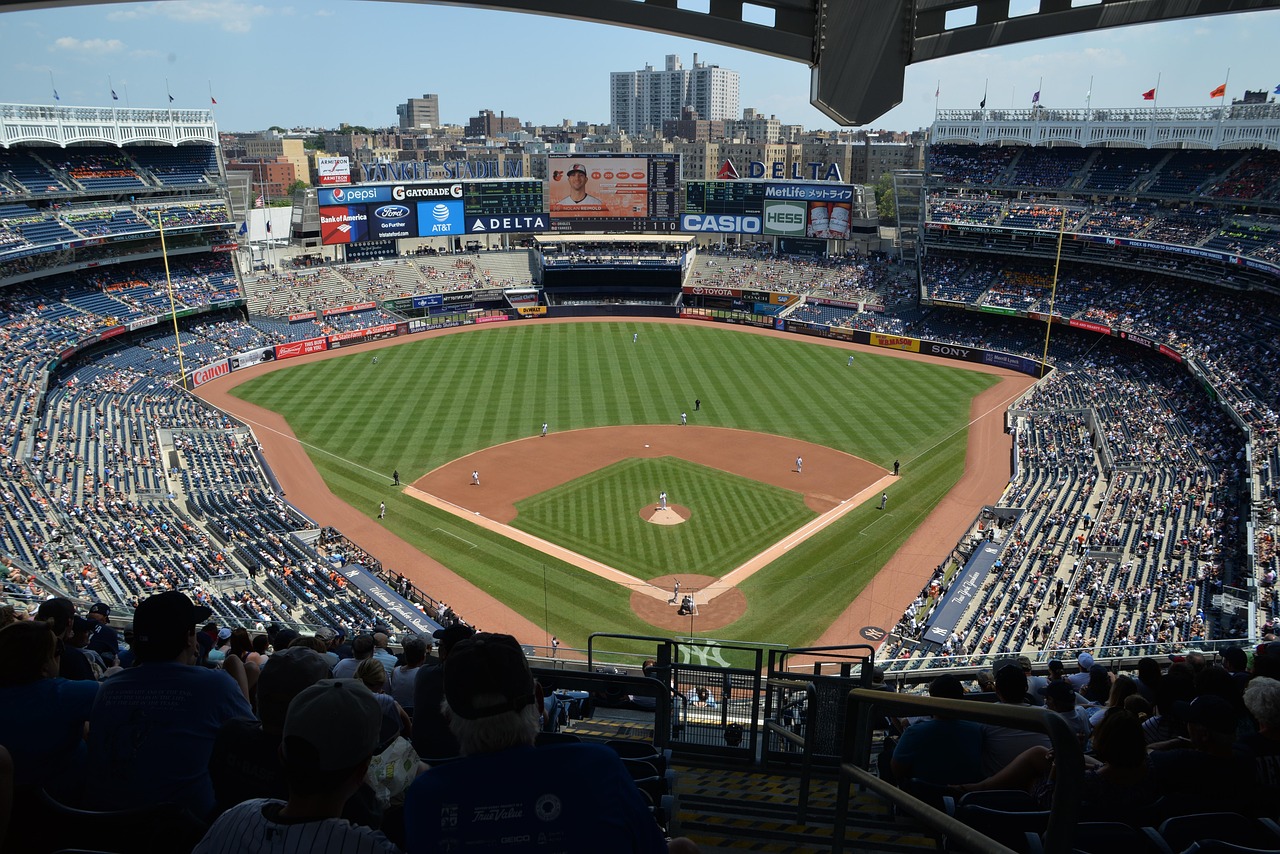
Cover photo by hellosoyeon on Pixabay.