
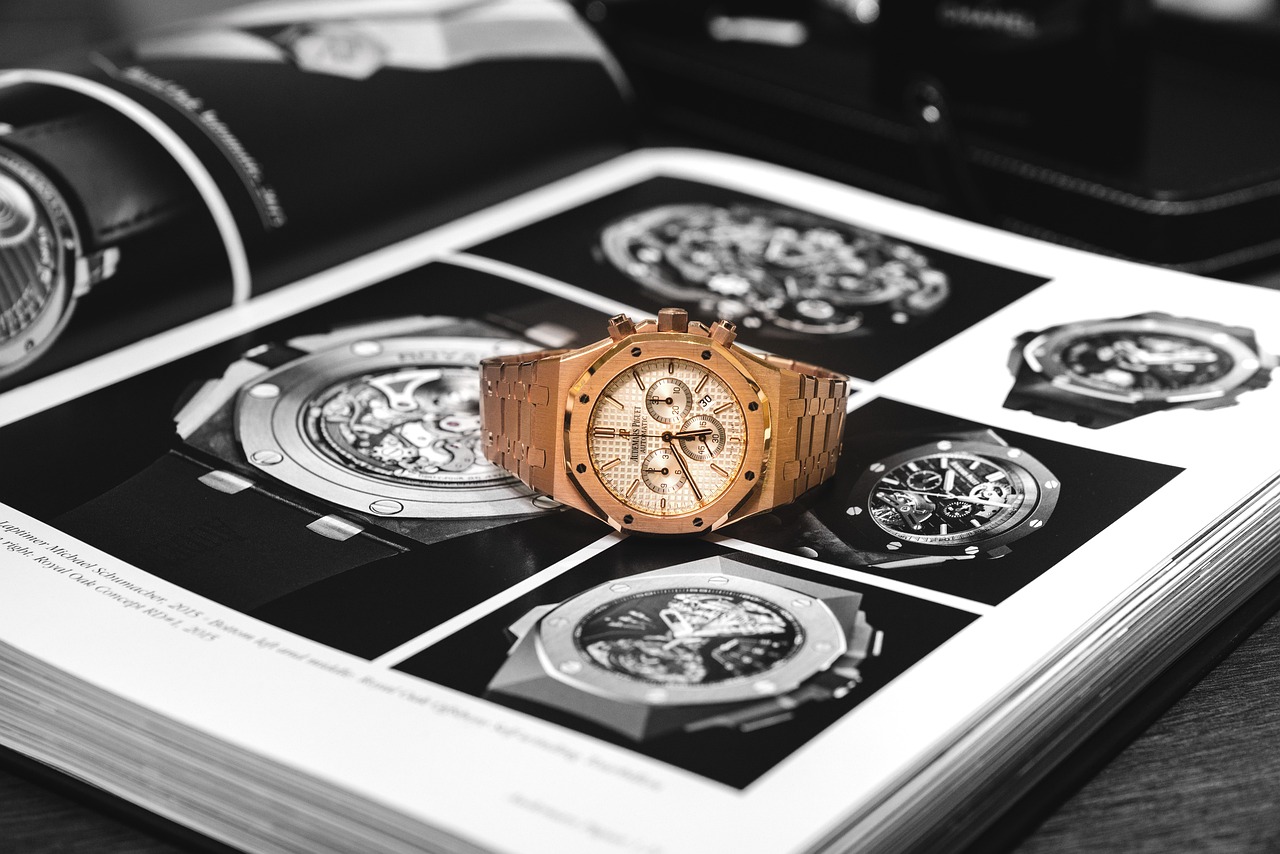
The Strategic Paradox of the Royal Pop Synthesis
The unveiling of the Royal Pop Collection—a high-low collaboration between Swatch and Audemars Piguet (AP)—represents a radical departure from traditional luxury scarcity. By transposing the iconic Gérald Genta design language onto Swatch’s 1980s POP aesthetic, the partnership attempts a precarious synthesis of high-net-worth exclusivity and mass-market accessibility. While theoretically broadening the consumer funnel, the move risks triggering ‘prestige contagion,’ where the proximity to mass production devalues the primary brand’s luxury equity.
Institutional Failure and Retail Volatility
The May 16 launch exposed a critical misalignment between digital hype and physical infrastructure. The forced suspension of operations at flagship locations in New York, Atlanta, and Nashville underscores a failure in crowd management and inventory control. This retail chaos highlights the inherent difficulty of applying a ‘drop’ model—typical of streetwear—to the high-stakes world of luxury horology. The resulting speculative frenzy suggests that the $400 entry point created an asymmetric demand that standard retail protocols were ill-equipped to absorb.
Cultural Backlash and the Erosion of Exclusivity
High-profile stakeholders and collectors have voiced significant discontent, viewing the collaboration as a threat to the brand’s aspirational status. Critics, including rapper O.T. Genasis, have categorized the move as a dilution of the Royal Oak’s prestige, likening the plastic-cased, quartz-driven product to entry-level digital watches. This cultural friction illustrates the ‘Team Jordan’ effect: when a flagship design is disseminated via a lower-tier diffusion line, it can alienate the core demographic that views exclusivity as the primary value driver.
Monetizing Intellectual Property via the Pocket Watch Buffer
Strategically, the choice of a pocket watch form factor serves as a calculated risk-mitigation tactic. By avoiding the traditional wristwatch silhouette, Audemars Piguet creates a functional buffer that protects its core wrist-worn equity while still leveraging its visual hallmarks—specifically the octagonal bezel and exposed screws. This allows the brands to monetize AP’s intellectual property through Swatch’s manufacturing efficiency without directly competing with the mechanical manufacture’s primary catalog.
Long-Term Market Implications: Revenue vs. Reputation
For the Swatch Group, the Royal Pop continues a successful trajectory established by the MoonSwatch, positioning the conglomerate as a gatekeeper of ‘attainable luxury.’ However, for Audemars Piguet, the long-term consequences are more complex. While the collaboration ensures dominance in the digital zeitgeist and generates immediate cash flow, it may compromise the long-term secondary market valuation of flagship models. The ultimate success of this experiment will depend on whether the brand can recover its aura of scarcity or if this marks a permanent pivot toward a high-volume, lifestyle-oriented identity.
Cover photo by poedynchuk on Pixabay.