Strategic Recalibration Post-WBO Title Defeat
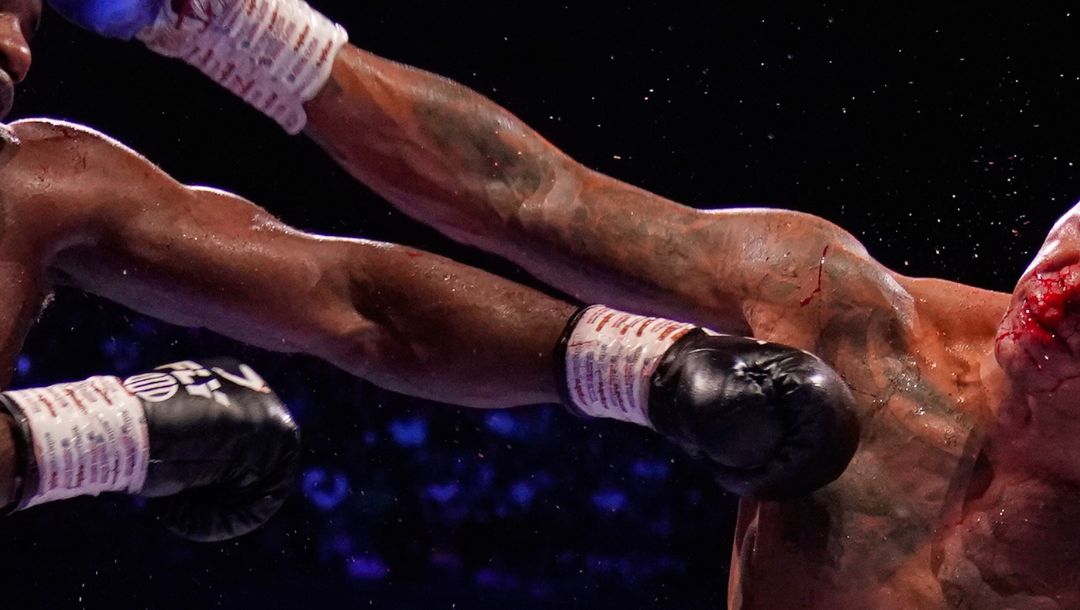
Brian Norman Jr. is poised for a significant competitive re-entry on May 16, marking his first bout since an impactful WBO welterweight title loss to Devin Haney last November. This upcoming fight signifies a pivotal juncture in his professional trajectory, initiating a comprehensive strategic review and deliberate recalibration of his career path following a high-stakes competitive setback. The immediate aftermath of such a defeat invariably triggers an institutional analysis encompassing performance diagnostics, competitive positioning, and long-term career planning, extending beyond mere physical recovery to fundamental operational adjustments.
Operational Overhaul: Coaching Transition and Methodological Refinement
A central strategic decision emerging from Norman Jr.’s post-loss assessment is the restructuring of his training camp, most notably the transition in his lead trainer. Ronnie Shields, an acclaimed figure in professional boxing known for his extensive experience and pedagogical prowess, has assumed the primary coaching role, replacing Brian Norman Sr., the fighter’s father. This shift, articulated by Norman Jr. as a pursuit of heightened experience and personal growth rather than conflict, exemplifies a common institutional pattern in elite sports: the strategic seeking of specialized external expertise to refine techniques, introduce advanced methodologies, and gain an objective perspective, particularly after encountering a performance ceiling. The integration of a new lead trainer like Shields implies a potential overhaul of daily training regimens, tactical approaches, and psychological conditioning, representing a strategic investment in human capital designed to unlock new performance thresholds and address identified vulnerabilities through a distinct pedagogical framework.
Competitive Re-entry and Market Strategy
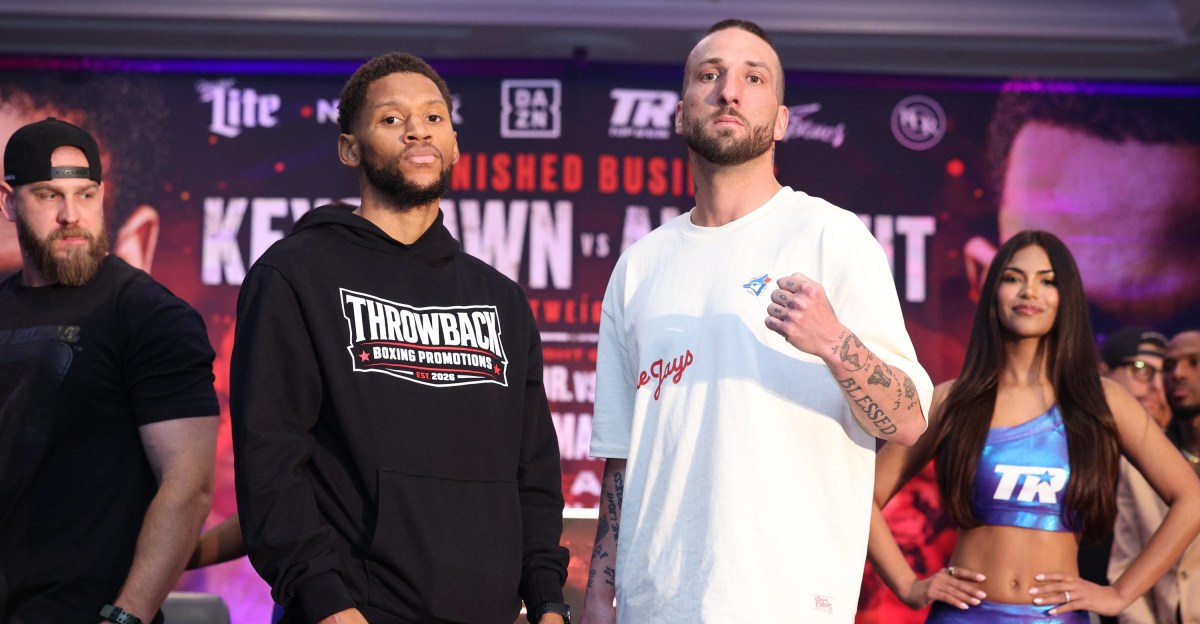
Norman Jr.’s return bout against Josh Wagner is strategically positioned as a co-headline event, a deliberate maneuver to sustain his market visibility and reinforce his brand appeal despite the recent title loss, thereby preventing an erosion of commercial value. The selection of Josh Wagner as an opponent, reflected in the stark betting odds (-1660 for Norman Jr. vs. +800 for Wagner), reveals a clear strategic intent: to facilitate a high-probability victory essential for rebuilding athlete confidence and validating the efficacy of the new training methodologies. This matchup provides a controlled environment to stress-test in-camp adjustments, particularly the “pace and mindset” Norman Jr. has emphasized. It strategically mitigates immediate risk while offering a platform to showcase renewed capabilities and strategic improvements to both the fan base and prospective future opponents. The significant disparity in betting odds functions as a market signal, affirming collective confidence in Norman Jr.’s intrinsic talent and anticipating a dominant performance, which is critical for future fight negotiations and market valuation.
Performance Optimization: Addressing Key Strategic Vulnerabilities
An analytical review of Norman Jr.’s ‘Tale of the Tape’ and expert predictions highlights specific performance metrics critical to his strategic optimization. His age (25) provides a substantial developmental runway compared to Wagner (33). While his superior TKO/KO percentage (79% vs. 53%) and reputation as a heavy puncher underscore his primary offensive weapon, the explicit mention of his tendency to “blow his gas tank in the first half of the match” identifies a critical operational vulnerability. Addressing this stamina deficit, through a concentrated focus on “pace and mindset,” is paramount for enhancing his competitive leverage. Improved endurance would significantly alter his strategic options in later rounds, transforming a potential weakness into a sustained advantage by enabling consistent offensive output and defensive integrity. The expectation of a TKO/KO win, while reinforcing his power, concurrently emphasizes the ongoing challenge of punch economy—a key area for strategic refinement impacting both short-term fight outcomes and long-term career sustainability.
Long-Term Trajectory, Risk Management, and Value Maximization
At 25, Brian Norman Jr. commands a considerable window for long-term strategic career planning. The structural changes in his camp and his declared commitment to continuous growth indicate a proactive, forward-looking approach aimed at extending his peak performance years and securing future championship opportunities. Risk management is fundamental to this strategy: while the current opponent minimizes immediate competitive exposure, the enduring challenge involves systematically addressing performance vulnerabilities, such as stamina, to ensure sustained success against escalating opposition. This necessitates a meticulous balance of training intensity, recovery protocols, and strategic opponent selection. The institutional support from a respected trainer like Ronnie Shields provides a robust framework for this long-term athlete development, offering expert guidance on physical conditioning, mental fortitude, and advanced tactical preparation. Ultimately, Norman Jr.’s comeback fight is not an isolated event but a meticulously orchestrated strategic maneuver within a complex ecosystem of athletic development, market dynamics, and institutional backing, with its outcome profoundly influencing his immediate trajectory and validating his comprehensive strategic recalibration.