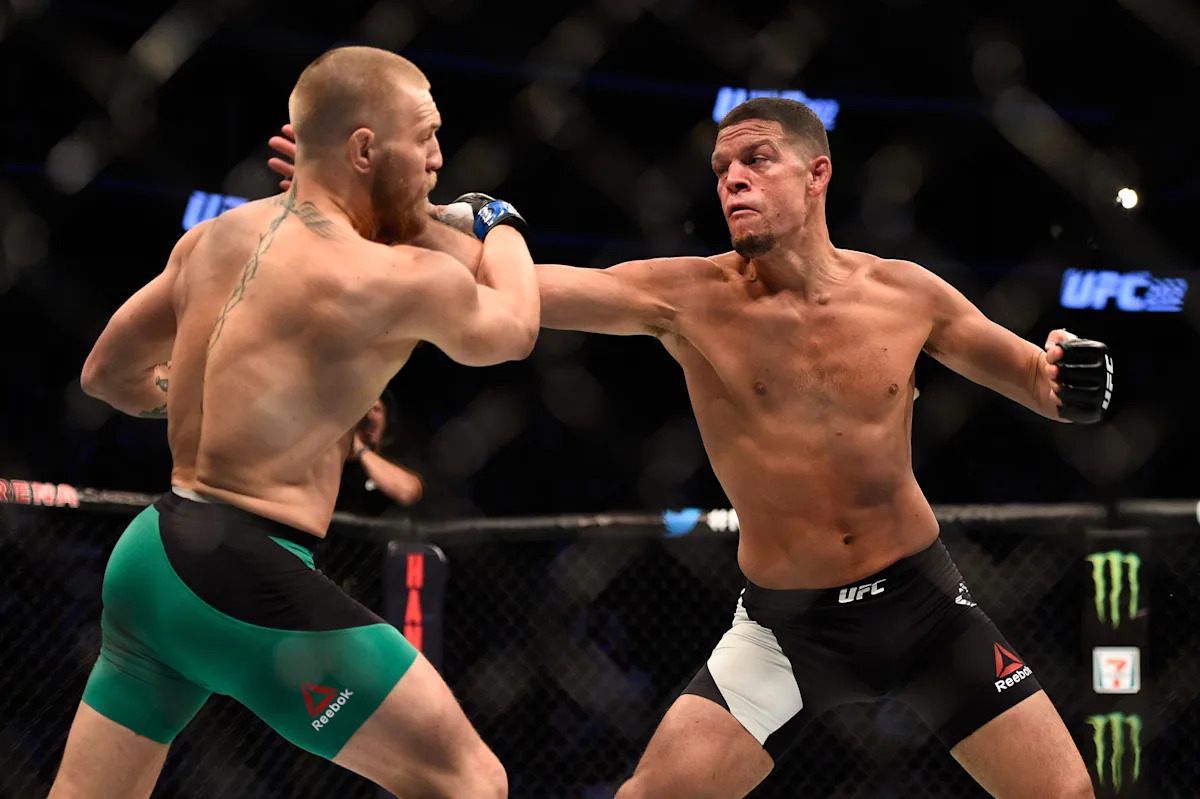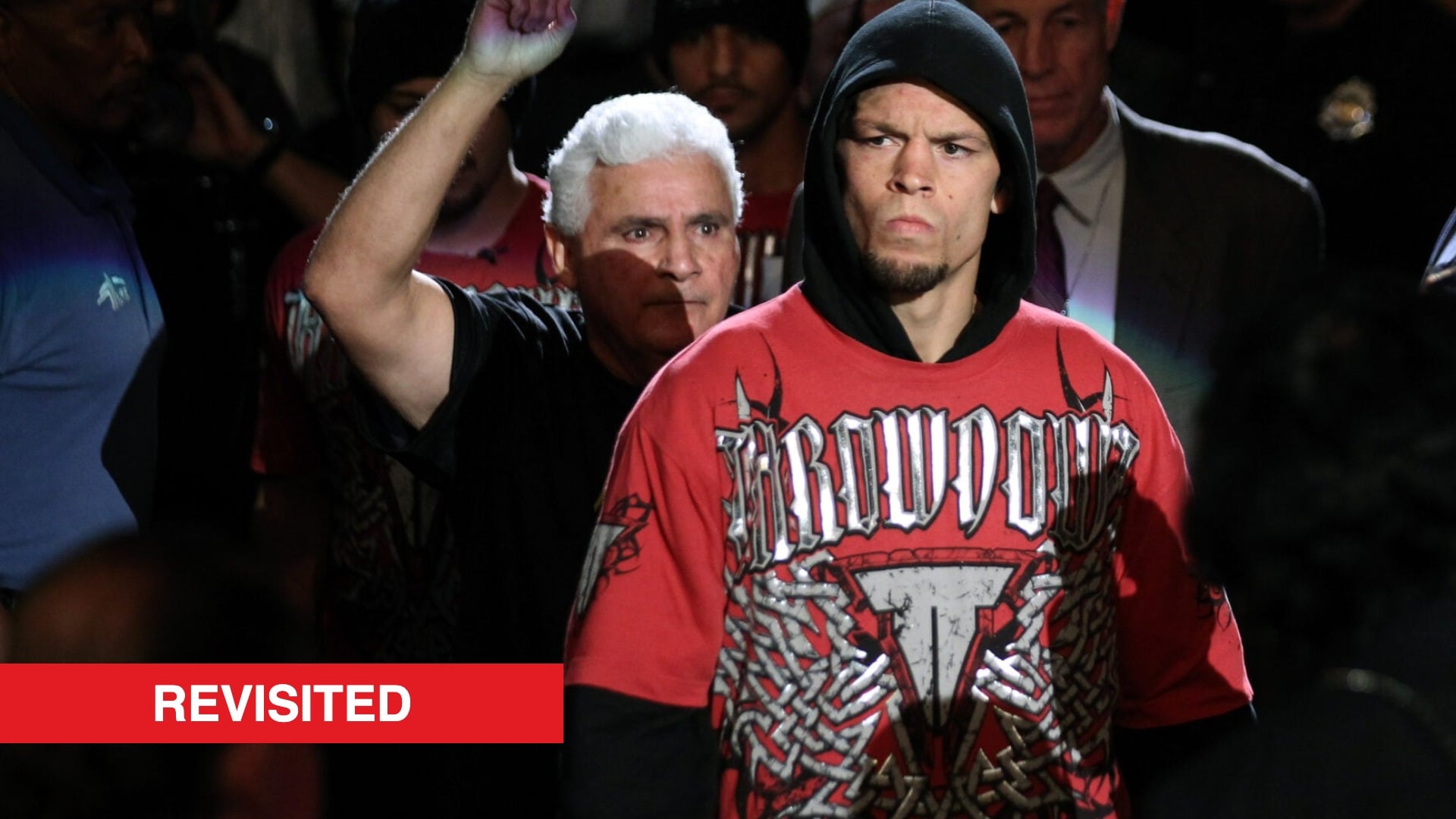
The reentry of Nate Diaz into the mixed martial arts (MMA) ecosystem signifies more than a return to competition; it represents a calculated act of strategic disintermediation. By bypassing the UFC’s rigid promotional architecture to headline an event for Most Valuable Promotions (MVP) on Netflix, Diaz is leveraging his personal brand equity to disrupt traditional combat sports economics. This shift from a transactional pay-per-view (PPV) model to a global subscription-based streaming platform highlights a transition toward athlete-led distribution and strategic autonomy.
The McGregor Trilogy: Asset Management and Market Scarcity
Diaz’s rejection of immediate UFC overtures regarding a Conor McGregor trilogy bout illustrates a sophisticated approach to asset management. Rather than allowing the UFC to dictate the timing of this high-value matchup, Diaz has opted to preserve its scarcity. By maintaining independence, he ensures that the eventual realization of the trilogy remains a dormant asset with maximum future valuation, rather than a depreciating tool used to satisfy a specific UFC quarterly projection.
His 15-year tenure within the UFC provided the requisite institutional knowledge to identify when promotional interests diverged from individual career longevity. Diaz’s ability to decline a marquee UFC slot suggests that established stars now possess the asymmetric leverage needed to thrive outside the Octagon’s centralized ecosystem.
Netflix and the MVP Operational Disruption
The partnership with MVP and Netflix serves as a structural challenge to the combat sports status quo. Netflix’s foray into live sports—via the MVP framework—signals a move toward a retention-based model where the objective is subscriber stickiness rather than one-off PPV purchases. For Diaz, this provides a distribution channel with a global reach exceeding 260 million subscribers, offering exposure that surpasses the ceiling of traditional cable and satellite infrastructure.
The operational flexibility granted by MVP allows Diaz to dictate the terms of his return. Selecting Mike Perry—a fighter with significant crossover appeal in the bare-knuckle and MMA demographics—maximizes engagement across disparate fanbases. This alignment underscores the growing influence of boutique promotions that prioritize fighter-centric commercial interests over institutional gatekeeping.
Probabilistic Risk Mitigation: The Diaz Philosophy
Diaz’s public admission that he prepares for every contest under the assumption of being knocked out is a rare example of probabilistic risk management in a sport often clouded by hyperbole. This ‘realist’ framework functions as a psychological buffer, mitigating performance anxiety and allowing for a clinical execution of strategy under duress. By acknowledging the high-volatility nature of combat, Diaz aligns his preparation with physical reality, a factor critical to his durability over 34 professional bouts.
The statistical anomaly of Diaz—having been stopped via strikes only once in nearly two decades—validates this mindset. His acceptance of the ‘worst-case scenario’ serves as a defensive mechanism, sharpening situational awareness and resilience during the high-leverage moments of a fight.
The BMF Legacy and Meritocratic Friction
Diaz’s critique of Charles Oliveira’s pursuit of a McGregor fight reveals the ongoing tension regarding the ‘BMF’ (Baddest Motherf***er) lineage. Diaz, a foundational figure in this brand, views current call-outs as a deviation from the authentic veteran hierarchy. He perceives Oliveira’s tactical pivot as an inconsistency: rejecting a Diaz matchup only to later target McGregor signals a prioritization of financial gain over the competitive heritage Diaz helped establish.
This conflict highlights the internal politics of the UFC’s upper tiers, where ‘money fights’ frequently collide with traditional rankings. Diaz’s assertion of his seniority reinforces his claim to a superior tier of institutional respect and market value, positioning himself as the arbiter of the BMF ethos.
Institutional Consequences for the UFC
The UFC’s inability to retain Diaz for a high-profile return highlights a vulnerability in its veteran talent retention strategy. As alternative platforms offer greater flexibility and competitive financial incentives, the promotion may find it difficult to maintain its monopoly on high-value narratives. Diaz’s success as a free agent provides a blueprint for other top-tier athletes to explore fragmented and competitive markets.
The ‘insinuation’ of a McGregor fight, rather than a definitive contractual offer, suggests the UFC is adopting a defensive posture. Diaz’s proven willingness to walk away renders him a difficult asset to manage within standard operating procedures, forcing the industry leader to potentially reevaluate its restrictive contractual frameworks.
Conclusion: The Case Study in Brand Autonomy
Nate Diaz has evolved from a promotional mainstay into a global icon capable of commanding attention on a platform as massive as Netflix. His strategic choice of opponents, coupled with his transparency regarding the psychological realities of combat, has fostered an authentic brand that resonates globally. The outcome of the Perry matchup will likely determine the terms of his next move, but the precedent has already been set: the era of institutional control is yielding to the era of athlete-led strategic positioning.