The 300th installment of the Silver Boot Series arrives as a critical diagnostic for the Houston Astros and Texas Rangers, two franchises currently defined by asymmetric performance metrics. As the 2026 season enters its second quarter, the American League West has devolved into a power vacuum where pitching excellence frequently offsets, rather than fuels, offensive production.
The Houston Astros (17-28) occupy a paradoxical space: their starting rotation demonstrates elite efficiency, yet the organization remains tethered to the divisional basement. Despite a high projected performance baseline, the club’s inability to secure three consecutive victories reveals a systemic failure in high-leverage run support, effectively capping their competitive ceiling.
Arrighetti’s Statistical Outlier and the Run Support Gap
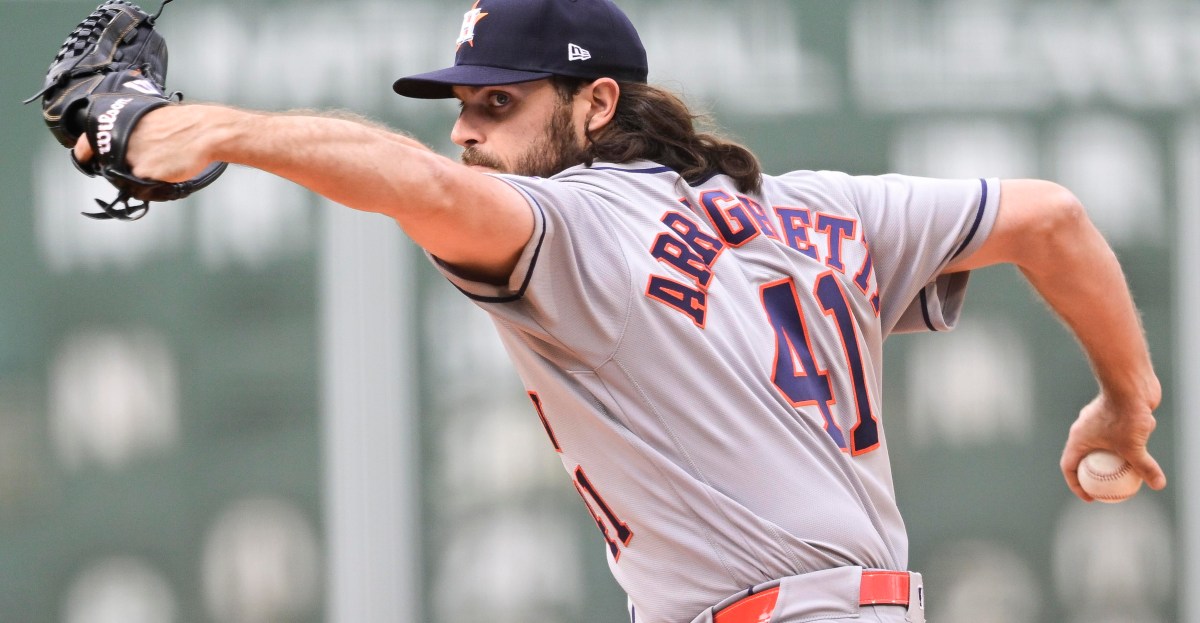
Spencer Arrighetti has evolved into Houston’s primary stabilizing asset, posting a 1.88 ERA across his first five starts. His streak of five consecutive quality starts provides a predictable performance window; however, the Astros’ 2-0 victory in the opener highlights a razor-thin margin for error. Arrighetti’s dominance—carrying a no-hitter into the seventh inning—was mandatory rather than complementary, as the batting order continues to struggle with situational leverage.
The strategic burden on Arrighetti is underscored by his early-season loss despite allowing only one earned run. This trend indicates that the Astros’ pitching staff must produce near-flawless outcomes to compensate for a lineup that has failed to dictate the pace of play throughout the first 46 games.
Texas Rangers: Mechanical Adjustments and the .500 Threshold
The Texas Rangers (21-23) face structural challenges rooted in the development curve of young assets like Jack Leiter. Leiter’s recent seven-inning, one-run performance suggests his mechanical adjustments are yielding results, yet his career 4.81 ERA reflects the volatility inherent in the Rangers’ current rotation. For Texas, treading water near the .500 mark is a precarious strategy while the Oakland Athletics maintain a lead in a division where four out of five teams are underperforming.
The Rangers’ offensive collapse against Arrighetti’s no-hit bid illustrates a broader trend of inconsistency. To transition from a rebuilding phase to genuine contention, the lineup must find stability behind veteran anchors, particularly when facing elite divisional arms.
Managerial Philosophy and the deGrom Pivot
Manager Joe Espada’s public call for “urgency” marks a rhetorical shift aimed at correcting the Astros’ reactive tendencies. The “Espada Doctrine” emphasizes early-game pressure to alleviate the physical and psychological strain on the rotation. The effectiveness of this approach will be tested in Saturday’s strategic pivot as Texas deploys Jacob deGrom.
The Rangers’ reliance on deGrom is an organizational bet on veteran stability. Expected to provide both “offensive juice” through defensive lockdown and leadership from the mound, deGrom represents the corrective force Texas needs to reset their season narrative. The outcome of this matchup will likely dictate the momentum of the regional rivalry and provide a clearer trajectory for the AL West power struggle.
Conclusion: Institutional Stakes of the Silver Boot
The 300th meeting of the Silver Boot Series is more than a regional milestone; it is an institutional pressure point. In a division where head-to-head records frequently determine postseason eligibility, every win carries disproportionate weight. Whether Houston can bridge the gap between individual brilliance and collective consistency remains the defining question of their 2026 campaign.