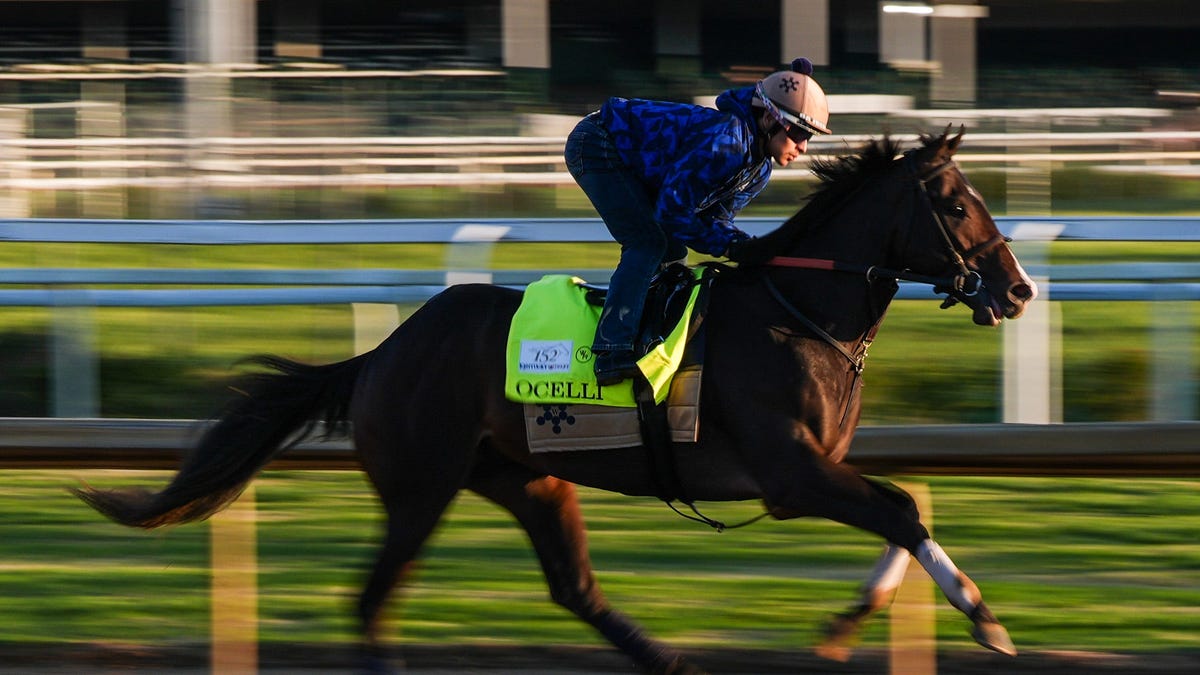
The tactical withdrawal of Kentucky Derby winner Golden Tempo from the 2026 Preakness Stakes by trainer Cherie DeVaux constitutes more than a scheduling conflict; it signifies a systemic pivot in Thoroughbred utility. This move prioritizes biophysiological integrity and long-term valuation over the historical compliance of the Triple Crown series. By neutralizing the potential for a Triple Crown sweep, the DeVaux camp has signaled that the traditional racing calendar no longer holds absolute leverage against the fiscal and physical management of elite equine assets.
The Metabolic Constraints of the Fourteen-Day Turnaround
The controversy centers on the compressed 14-day window between the Kentucky Derby and the Preakness. DeVaux’s assessment that the timeframe is insufficient for a horse of Golden Tempo’s profile highlights an emerging consensus: the physical toll of a modern Grade 1 effort—particularly a last-to-first victory—requires recovery periods that exceed early 20th-century standards. This decision frames the trainer not merely as a conditioner of athletes, but as a fiduciary protector of a high-value biological asset, necessitating a risk-mitigation strategy to ensure longevity for the Belmont Stakes on June 6.
Strategic Calibration Toward the Belmont Stakes
By leveraging the five-week gap leading to the Belmont Stakes, the DeVaux stable seeks to maximize Golden Tempo’s performance ceiling. This pivot suggests that the third leg of the Triple Crown is increasingly perceived as a more manageable and prestigious target than a forced effort in Baltimore. A five-week interval allows for comprehensive restoration of glycogen stores and the repair of micro-trauma, optimizing the horse’s career trajectory and future stallion valuation. This stakeholder alignment—involving owners and clients—demonstrates a unified preference for data-driven recovery over institutional expectations.
Institutional Vulnerability and the Preakness Dilemma
Golden Tempo’s absence marks the third time in five years that a healthy Derby winner has bypassed the Preakness, exposing the structural fragility of the Maryland Jockey Club’s flagship event. Without the narrative of a Triple Crown pursuit, the race faces diminishing returns in television ratings and handle. This trend exerts mounting pressure on racing authorities to modernize the schedule, potentially adding an extra week to the turnaround to prevent the Preakness from becoming a secondary event for mid-tier competitors.
The Erosion of Legacy Obligations
The historical era where every Derby winner was expected to contest the Preakness is now an outlier. The current professionalization of the sport emphasizes clinical reality over romanticized durability. As trainers like DeVaux adopt data-centric models to monitor equine health, the ‘Triple Crown path’ evolves into a discretionary option rather than an obligatory route. This cultural friction between traditionalist fans and modern practitioners will likely intensify as the industry recalibrates to reflect the biological limits of the modern Thoroughbred.