Incident Overview and Tactical Sequence
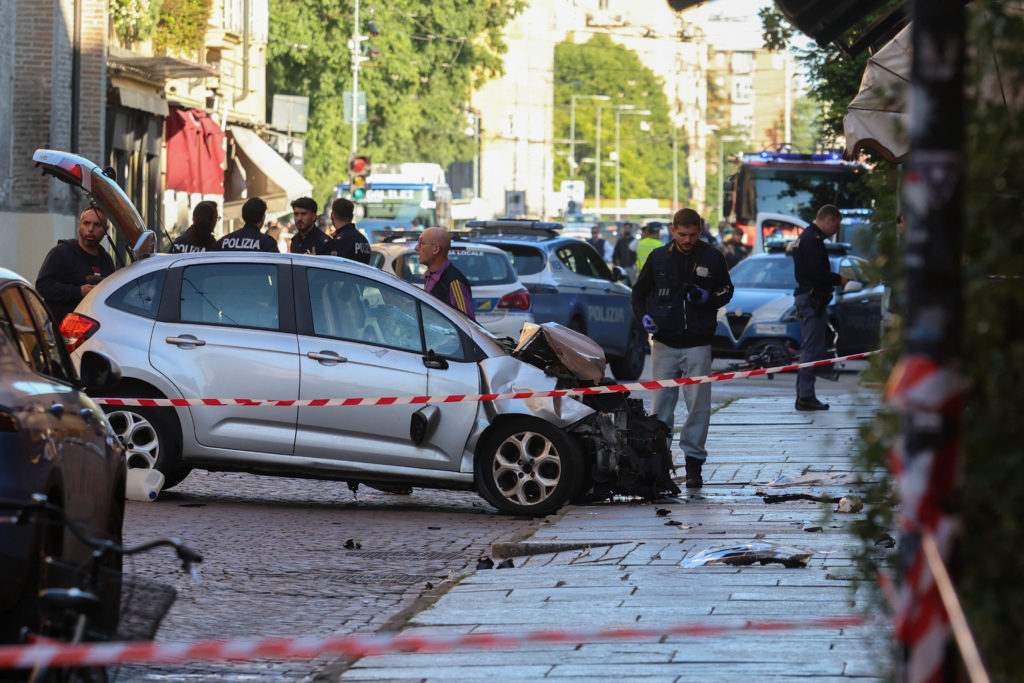
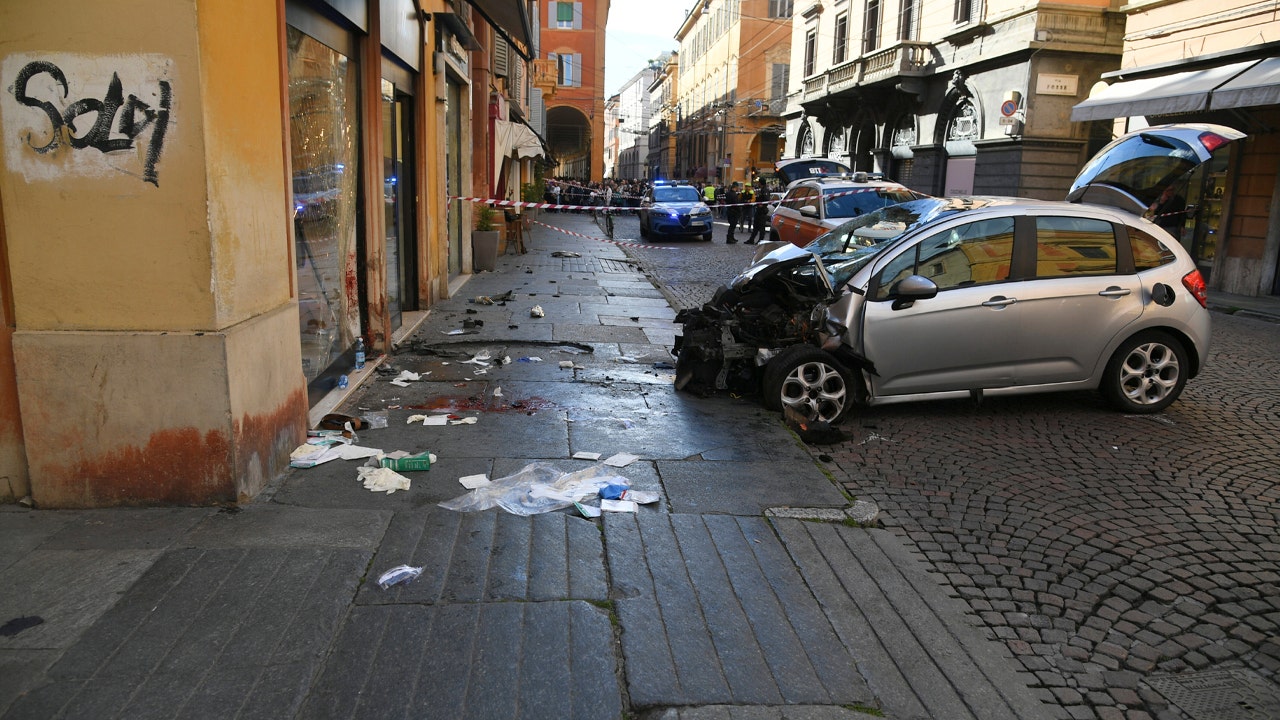
On Saturday, a vehicle-ramming attack occurred on Via Emilia, a high-traffic artery in Modena, Italy. Mayor Massimo Mezzetti confirmed that a 31-year-old male intentionally drove onto the sidewalk, striking multiple pedestrians before colliding with a storefront. The assault resulted in eight casualties, four of whom remain in critical condition; one victim required bilateral leg amputation following the impact.
Civilian Intervention and Threat Mitigation
The incident was de-escalated when four civilians physically intercepted the suspect as he attempted to exit the vehicle. The assailant, armed with a knife, wounded one bystander during the struggle. By restraining the individual until law enforcement arrival, these civilians played a decisive role in preventing further casualties within the densely populated urban corridor.
Institutional Investigation
The suspect, a 31-year-old resident of the Modena province, is currently in police custody. Forensic teams and investigators are analyzing witness accounts and physical evidence to determine the suspect’s psychological state and whether the act was premeditated or the result of impairment. Legal proceedings will formalize the classification of the incident once the initial inquiry is complete.
Urban Safety and Structural Vulnerabilities
This incident exposes the inherent fragility of open-access urban infrastructure. The use of a vehicle as a weapon highlights the difficulty of securing pedestrian-friendly zones without compromising accessibility. Municipal authorities are now forced to evaluate the trade-off between open city design and the implementation of physical barriers, such as bollards, to mitigate high-impact vehicular threats.
Socio-Institutional Context
While the suspect’s Maghreb origin has been acknowledged by local officials, the investigation remains focused on the motive and the legal accountability of the perpetrator. The municipal administration is currently balancing the need for public transparency with the imperatives of an ongoing criminal investigation, emphasizing medical support for victims and a review of emergency response protocols.
Preventative Strategy and Future Design
The Modena attack necessitates a paradigm shift in urban planning, moving toward ‘hardening’ public spaces against vehicular incursion. Future policy discussions are expected to prioritize integrated surveillance and defensive infrastructure to maintain public order in high-traffic zones, balancing the city’s commitment to pedestrian-centric mobility with the absolute necessity of citizen protection.