

Borussia Dortmund has finalized its institutional standing for the 2025/26 Bundesliga cycle, securing second place with one matchday remaining. This achievement follows a decisive 3-2 victory over Eintracht Frankfurt, a result that neutralized the competitive volatility of the preceding week. Beyond league positioning, this finish optimizes the club’s UEFA coefficient seeding and reinforces the financial predictability essential for the upcoming fiscal year.
The 73-Point Metric: Historical and Tactical Validation
While the table position is mathematically fixed, Niko Kovac has prioritized a victory against Werder Bremen to reach a 73-point season total. This benchmark represents more than symbolic progress; it would equal the club’s performance from the 2018/19 campaign, marking the fifth-highest points tally in the organization’s history. For the technical staff, the delta between 70 and 73 points serves as a critical indicator of squad depth and tactical consistency over a 34-match schedule.
This pursuit of marginal gains informs the club’s competitive culture, transforming a perceived ‘dead rubber’ fixture into an opportunity for institutional record-setting. By framing the finale as a historical necessity, Kovac mitigates performance drop-off and maintains squad intensity, ensuring the competitive integrity of the league while maximizing the club’s statistical profile.
Mitigating the Cumulative Fatigue of the Global Calendar
Dortmund’s performance must be evaluated against the unprecedented physical demands of the current cycle. Participation in the preceding summer’s Club World Cup effectively eliminated the traditional off-season recovery window, forcing the medical and performance departments to manage a squad that lacked a foundational physiological reset. The current 70-point achievement, earned under conditions of high physiological duress, validates the club’s periodization strategy.
Kovac’s acknowledgment of the mental and physical strain underscores the operational challenges of modern elite football. The institutional response has shifted toward maximizing tactical efficiency to compensate for diminished physical reserves. The upcoming transition period is viewed as a corrective measure to restore the long-term health of the playing assets.
Analytical Recovery: The Eight-Week Training Architecture
Upon the season’s conclusion, Dortmund will implement a bifurcated off-season strategy. For players not involved in World Cup duties across North America, an eight-week structured transition has been established. This period replaces the concept of a complete shutdown with a 1:7 active recovery ratio: one week of total inactivity followed by seven weeks of remote, individualized athletic maintenance.
This data-driven approach protects the club’s primary capital by preventing the risks associated with detraining. By mandating seven weeks of structured work, the club ensures a high baseline of cardiovascular and muscular readiness for the 2026/27 pre-season. This operational decision carries significant fiscal weight, reducing injury spikes during high-intensity training phases.
Leadership Stability and Market Positioning
At 54, Niko Kovac has provided the administrative maturity required to stabilize Dortmund’s hierarchy. The second-place finish provides a robust foundation for the upcoming transfer window and commercial negotiations, where top-two status remains a prerequisite for premium sponsorship valuations. The integration of prospects like Coulibaly and Schmidt into the final matchday rotations demonstrates a balance between immediate results and long-term squad evolution. The 2025/26 campaign thus concludes as a period of successful consolidation amidst extreme scheduling pressures.
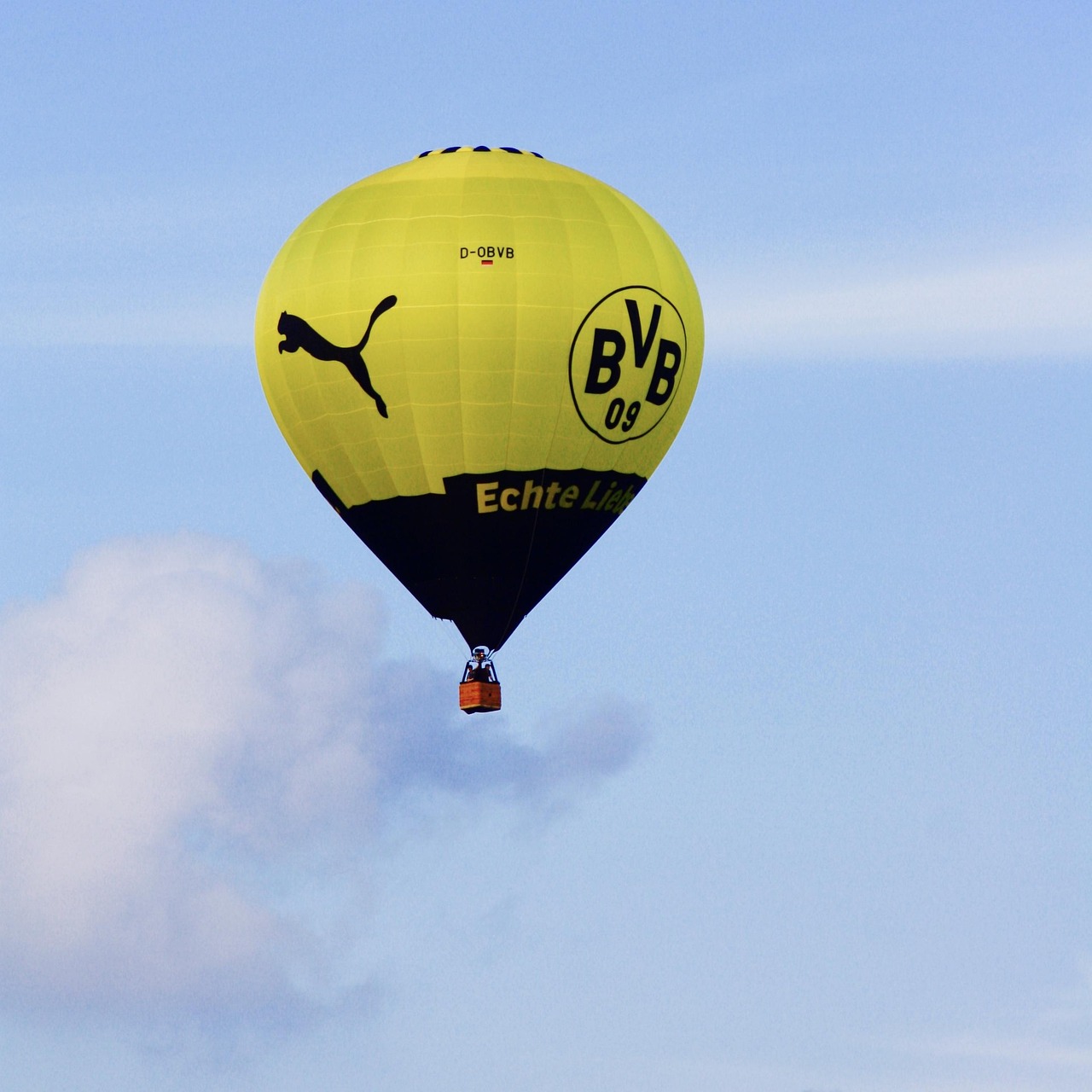
Photo by ewa69 on Pixabay.