Celestial Mechanics and Geographic Scarcity
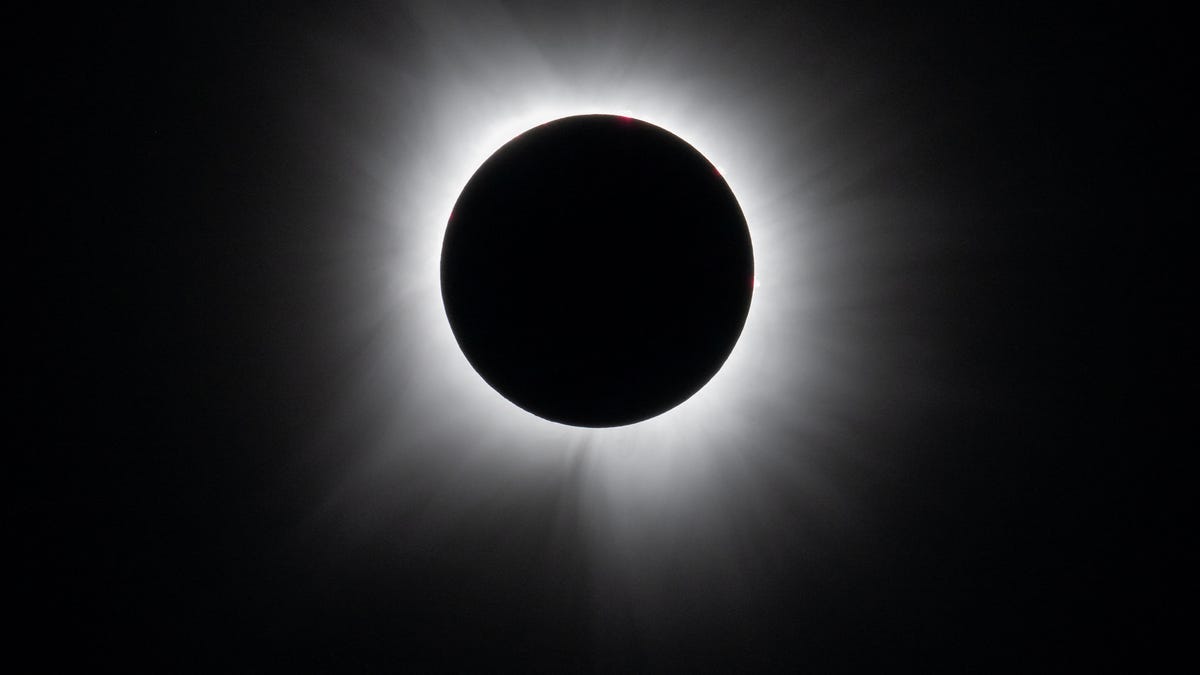
A total solar eclipse occurs through the precise orbital alignment of the Moon between Earth and the Sun. This geometry creates a narrow ‘path of totality’—a transient corridor of shadow—that dictates the geographic limitation of the experience. While partial eclipses remain visible over vast regions, the total phase is a localized scarcity, rarely repeating over the same population center within a human lifespan.
Scientific Utility and Public Engagement
Astrophysical research benefits significantly from totality, as the Sun’s extreme luminosity is dampened, permitting high-fidelity imaging of the solar corona. Beyond data acquisition, these events serve as high-impact catalysts for public scientific literacy, moving celestial mechanics from abstract theory to observable, physical reality.
The Logistics of Mass Observation
Predictability allows for long-term operational planning, yet the concentration of observers creates systemic strain. Infrastructure—transportation, utility consumption, and emergency response—faces acute pressure. The 2017 Great American Eclipse serves as a benchmark for the scale of movement, underscoring the necessity of inter-agency cooperation to manage sudden population surges.
Socio-Economic Infrastructure
The rise of ‘eclipse chasing’ has fostered a niche, data-driven economy. Advanced digital tools, specialized optics, and real-time navigation have professionalized the observation experience. For municipal planners, predicting future paths (such as the 2078 event in Georgia) requires integrating historical traffic patterns, economic forecasting, and scientific communication strategies to ensure public safety and institutional efficiency.
Strategic Institutional Preparedness
As we navigate 21st-century astronomical events, the convergence of high-fidelity data and public interest remains critical. Modern communication infrastructure allows for real-time risk mitigation and informed public participation. The primary challenge for stakeholders lies in balancing the rigorous demands of large-scale public mobility with the long-term goal of fostering sustained interest in galactic science.