Postseason Architecture: The Big Ten Standings and RPI Volatility
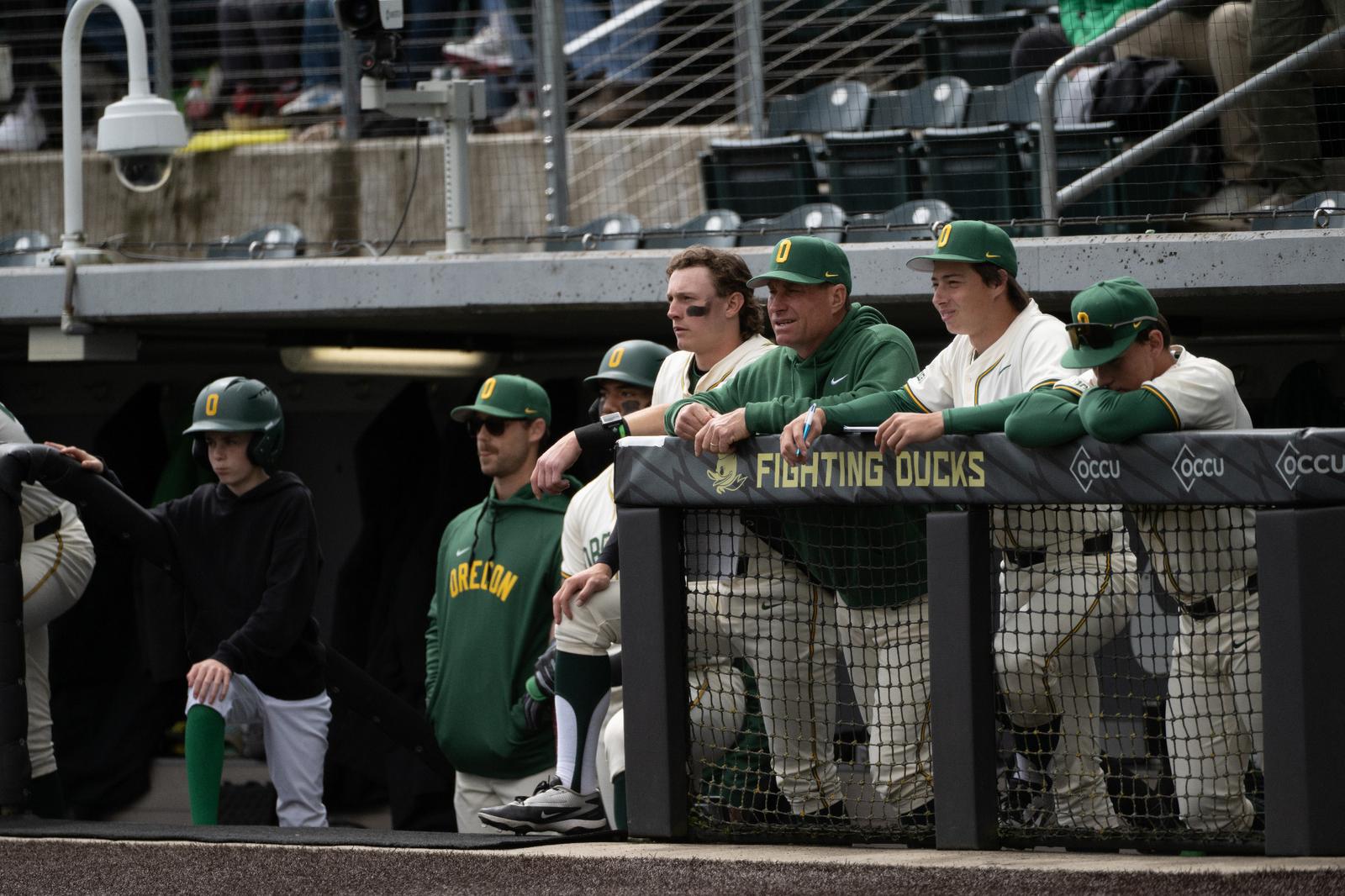
The upcoming series between the Oregon Ducks and the USC Trojans at PK Park is a critical determinant of postseason geography. Trailing USC by a single game in the Big Ten standings, Oregon faces a binary outcome: securing a top-four conference finish to optimize their bracket in Omaha or risking a slide that complicates their path to the College World Series. Currently projected as the No. 16 overall seed by D1Baseball, the Ducks occupy the precise threshold for hosting an NCAA Regional. A series victory is not merely a statistical requirement; it is a strategic necessity to avoid the competitive and financial disadvantages of a cross-country opening round.
The PK Park Factor: Analyzing the 21-Series Home Streak
Oregon’s competitive identity is anchored by a historic 21-series home winning streak dating back to March 2024. This run of dominance spans multiple conference frameworks, including nine series victories since integrating into the Big Ten. This institutional consistency at PK Park provides a psychological and tactical buffer, allowing the program to maximize its RPI through environmental familiarity. For the Ducks, maintaining this ‘fortress’ status against USC is the primary mechanism for persuading the NCAA selection committee that Eugene remains a premier postseason destination.
Pitching Infrastructure and Defensive Synergy
The Ducks’ ascent is mathematically fueled by a pitching staff that leads the nation in two primary statistical categories. This efficiency was recently demonstrated during a five-game California road trip featuring three shutouts. The battery’s performance is bolstered by the emergence of freshman catcher Mabeus, whose defensive management of a veteran rotation has stabilized the program’s run-prevention metrics. This synergy between tactical scouting and technical execution on the mound remains Oregon’s most viable asset heading into high-leverage June baseball.
Elite Development: Smith and Cooney’s Impact on Program Value
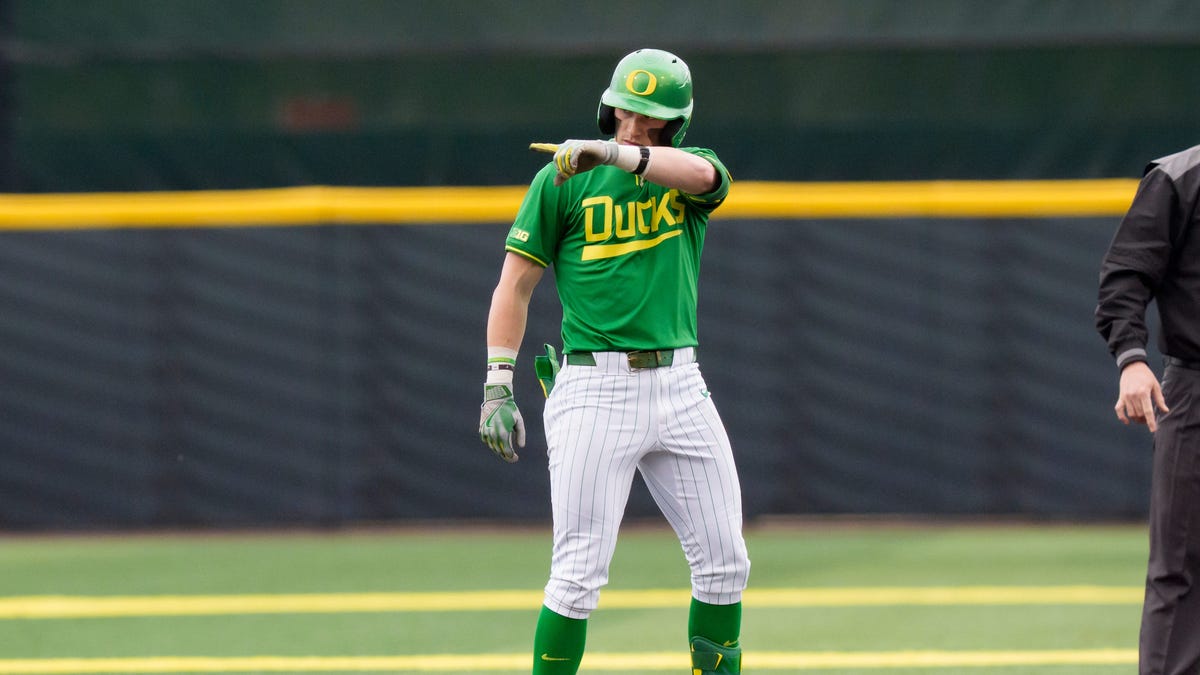
The program’s national profile is further elevated by individual high-performance metrics. The inclusion of Smith on the Golden Spikes midseason watch list validates Oregon’s talent development pipeline within the Big Ten ecosystem. Simultaneously, Cooney—an eight-time national hit leader and three-time Big Ten Player of the Week—serves as the offensive fulcrum. When combined with Molony’s recent offensive resurgence, the Ducks possess a multidimensional lineup capable of neutralizing USC’s defensive rotations and protecting the pitching staff’s narrow margins.
The Hosting Bubble: Risks of the No. 16 Seed
Securing the No. 16 seed represents the ‘razor’s edge’ of the NCAA tournament. Falling below this line would likely result in Oregon being sent to a high-hostility environment, potentially facing SEC or ACC powerhouses like Arkansas on the road. The administrative goal is to control the variables of the tournament; hosting a regional in Eugene preserves player stamina and optimizes local revenue. Consequently, the series opener on Friday night is viewed by the coaching staff as the critical inflection point for the entire postseason trajectory.
Conclusion: Institutional Adaptation in the Big Ten Era
Oregon’s first full cycle in the Big Ten has been defined by rapid operational adaptation. Winning nine conference series illustrates a successful recalibration of travel logistics, scouting, and competitive style. As the regular season concludes against USC, the stakes transcend a simple rivalry. This series represents the culmination of a strategic effort to cement Oregon as a permanent fixture in the national elite, ensuring that the road to Omaha begins in the Pacific Northwest.