Strategic Retrenchment: The Decision to Halt Redistricting
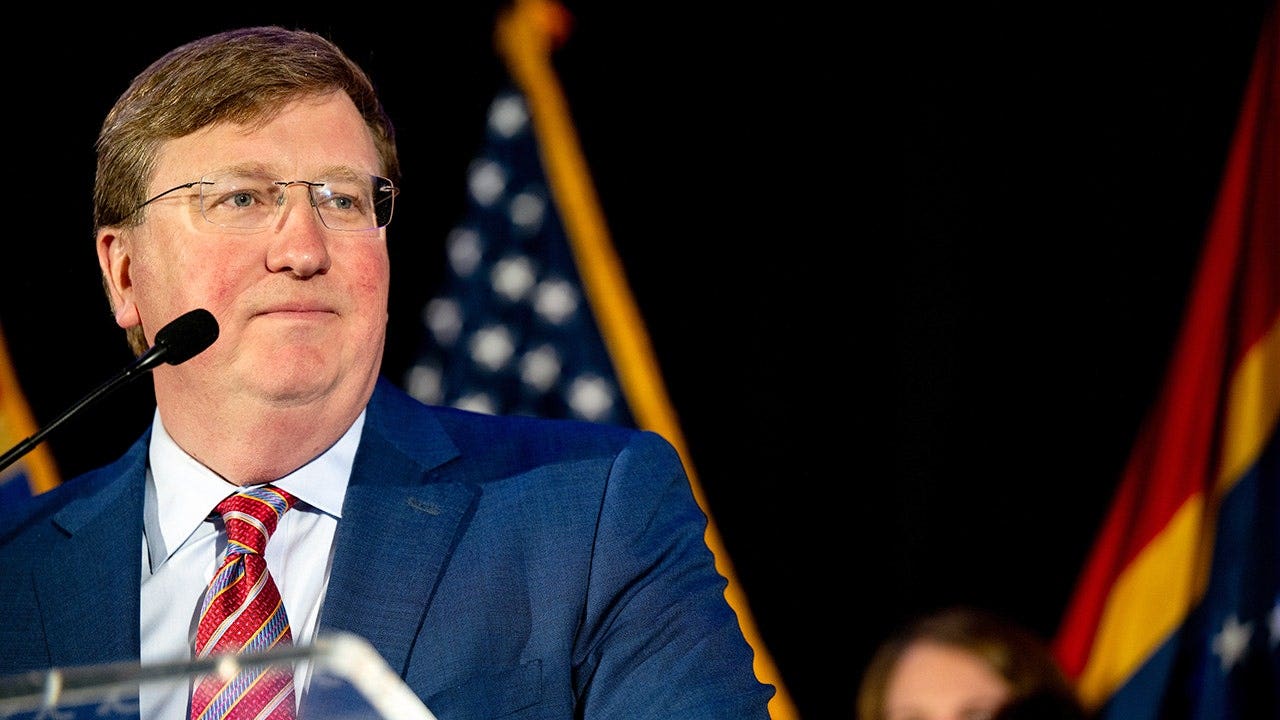
Mississippi Governor Tate Reeves has formally rescinded the call for a special legislative session intended to redraw the state’s judicial and congressional maps. This pivot signifies a transition from aggressive partisan reconfiguration to a strategy of institutional preservation. By freezing the current electoral boundaries, the executive branch is prioritizing immediate GOP stability over the speculative long-term gains of a mid-cycle realignment.
The Mathematical Risk of Voter Dilution
The cancellation is fundamentally rooted in a pragmatic assessment of the ‘dilution risk.’ Reeves acknowledged that aggressive efforts to dismantle Democratic strongholds often necessitate the redistribution of opposition voters into safe Republican districts. Such maneuvers can inadvertently compromise the margin of safety for GOP incumbents, rendering previously secure seats vulnerable to shifting demographic trends or high-turnout cycles. Furthermore, voiding the results of the March primaries to implement new maps would have triggered an administrative crisis, undermining the procedural legitimacy of the upcoming general election.
Judicial Volatility and the Callais Precedent
The initial impetus for the session was the legal opening provided by Louisiana v. Callais, which suggested a broader path for race-neutral redistricting. However, the subsequent reversal of lower court rulings—which had previously challenged the composition of Mississippi’s judicial districts—removed the immediate judicial mandate for reform. Without a court-ordered deadline, the strategic cost of a rushed session outweighed the benefit of a legally precarious map that would likely face immediate challenges under the Voting Rights Act.
National Implications and the Bennie Thompson Factor
A primary subtext of the redistricting effort was the potential reconfiguration of the 2nd Congressional District, held by Bennie Thompson. While dismantling Thompson’s base remains a long-term goal for state Republicans, the national imperative of maintaining the narrow GOP House majority dictated a more cautious approach. Destabilizing Mississippi’s maps weeks before a general election could have created a vacuum of uncertainty, potentially affecting the national party’s resource allocation and legislative momentum. For now, the status quo serves as a defensive bulwark against electoral volatility.