The Structural Evolution of Daily Word Puzzles
The daily word puzzle, epitomized by Wordle, has evolved from a recreational pastime into a rigorous exercise in linguistic probability and user behavior modeling. By examining the structural transition between target words like DOWDY and WAVER, one observes a precise calibration of difficulty designed to sustain user retention while mitigating player attrition.
These puzzles exploit the statistical frequency of letters in the English lexicon. By incorporating low-frequency characters or irregular vowel distributions, the game challenges heuristic-based solving methods, forcing users to transition from superficial pattern recognition to sophisticated analytical deduction.
Operational Constraints and Algorithmic Feedback
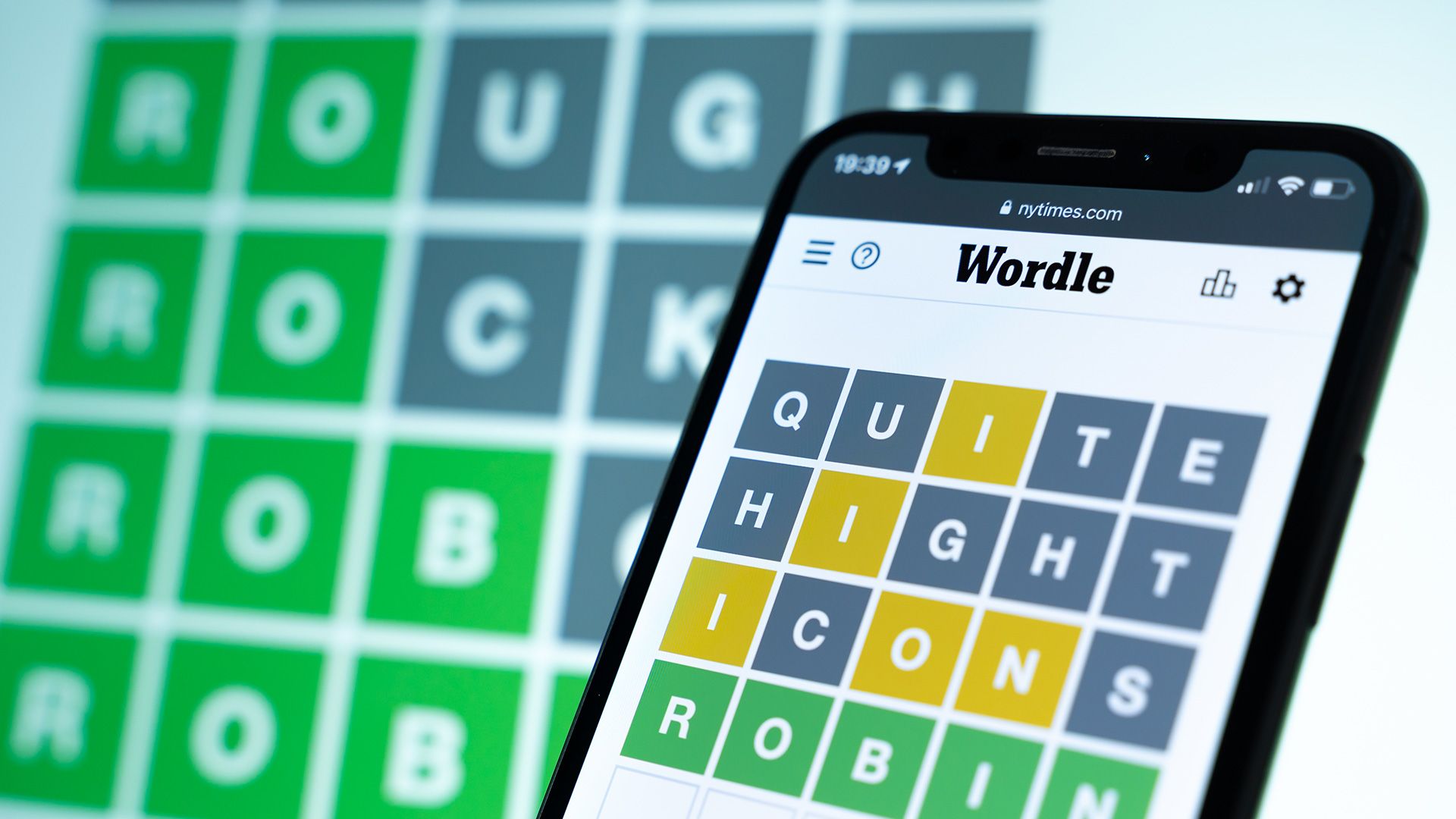
Wordle operates on a binary feedback loop, categorizing guesses into discrete status indicators (correct, misplaced, or absent). This turns each puzzle into a constrained optimization problem where players strive to maximize information gain per move.
New York Times WordleBot data reveals that performance variance is directly correlated with a word’s specific orthographic properties. The presence of uncommon consonant clusters or repeated letters inherently increases the average attempt count, serving as a dynamic metric for measuring perceived difficulty.
Difficulty Calibration and Retention Strategy
Strategic variation in complexity is vital for long-term product viability. Trivial puzzles risk diminishing intellectual stimulation, while excessive difficulty may alienate casual users. Developers leverage performance metrics—specifically the mean number of guesses—to maintain a ‘Goldilocks zone’ of difficulty, ensuring the game remains accessible yet mentally rewarding enough to drive consistent daily engagement.
Platform Diversification and User Retention
The introduction of customized, hand-crafted variations functions as a hedge against platform stagnation. By testing different cognitive skill sets, the game expands its reach beyond the standard daily format. This diversification stabilizes the active user base, insulating the platform from the typical volatility associated with singular, trend-driven digital games.
Institutional Context and Cross-Pollination
Wordle serves as a low-friction entry point within broader digital media portfolios. By anchoring a user’s daily routine, it facilitates cross-pollination into related puzzle ecosystems, such as Connections or mini-crosswords. This cohesive experience is central to modern subscription-based media models, which rely on consistent, reliable engagement to maximize the lifetime value of their subscriber base.
Synthesis of Linguistic Challenges
Words like WAVER demonstrate the intersection of phonetics and game design. By necessitating a systematic elimination of common starter-word patterns, developers reset user expectations, preventing the ‘commoditization’ of the solving process. This deliberate design choice keeps the user experience dynamic rather than repetitive.
The Future of Data-Informed Game Design
As the landscape matures, the focus remains on synthesizing algorithmic selection with human-curated challenges. The capacity to analyze granular player behavior at scale ensures the continuous optimization of word lists. Ultimately, Wordle’s enduring success is predicated on the psychological reward of completion, supported by a rigorous commitment to data-informed design that keeps the product both challenging and fundamentally accessible.