The Dialectic of Visibility and Autonomy
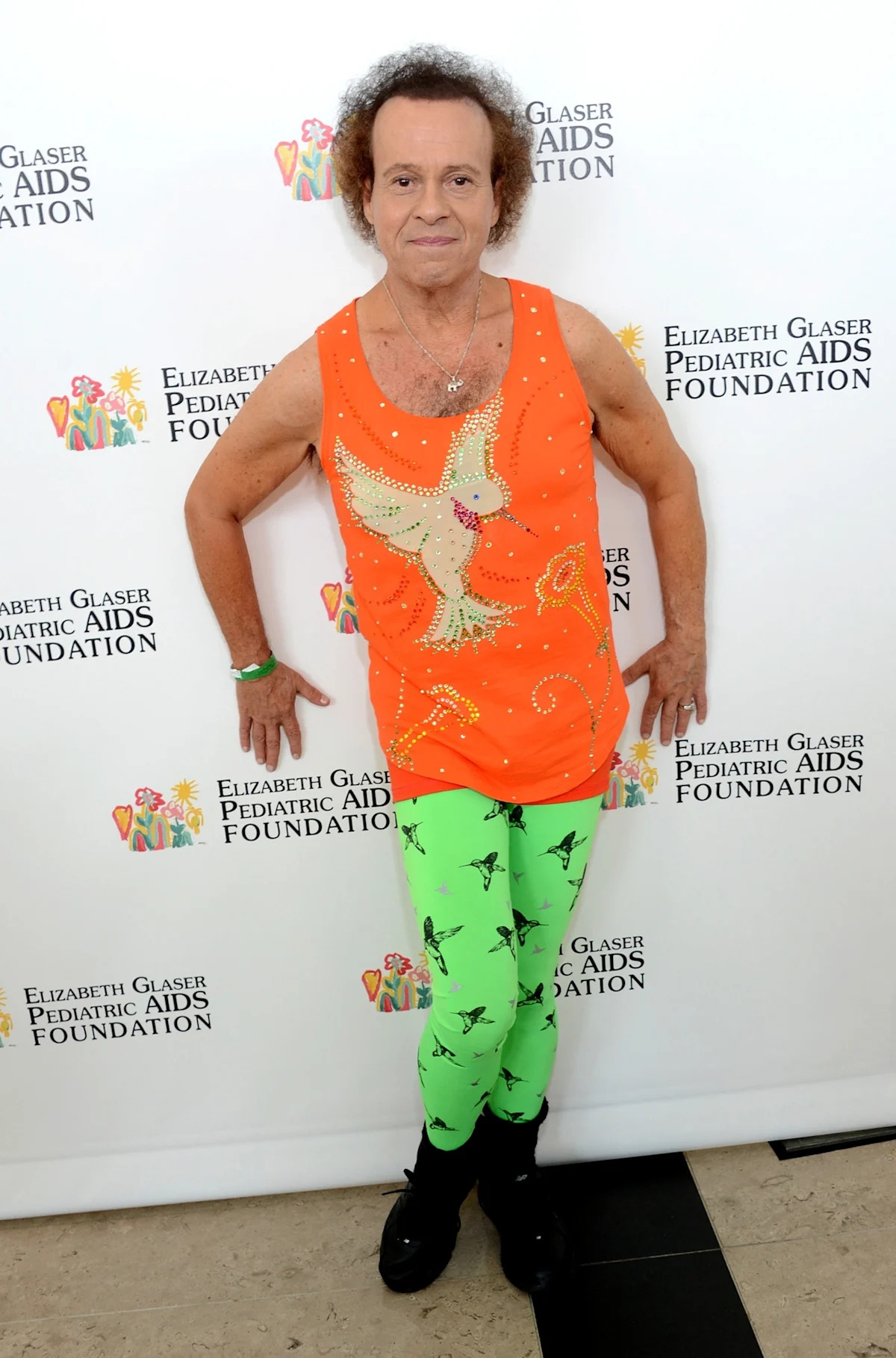
The decade-long voluntary withdrawal of Richard Simmons from the public sphere offers a profound case study in the reclamation of personal autonomy against the backdrop of celebrity management. For a figure whose career was foundational to the hyper-visible fitness industry, his sudden transition to obscurity was not a passive disappearance but a strategic pivot. This move effectively decoupled his professional persona from his private identity, challenging the entertainment industry’s demand for perpetual access.
Teresa Reveles, Simmons’ house manager of three decades, serves as the primary witness to this transition. Her upcoming testimony via ABC News clarifies that the retreat was an operationalized effort to maintain privacy. By utilizing sophisticated methods of evasion, including elaborate disguises, Simmons navigated urban environments undetected, asserting control over his physical presence while his cultural image remained frozen in the public consciousness.
The Operational Security of Hidden Celebrity
Maintaining a high-profile existence in total seclusion requires a complex logistical infrastructure. Reveles’ accounts of Simmons utilizing various personas—from clowns to feminine disguises—to observe the world without interference illustrate the extreme measures necessary to bypass modern surveillance and public recognition. This behavior highlights the friction between the ‘fitness icon’ archetype and the individual’s psychological requirement for unmediated space.
Institutional Impact and Market Differentiation
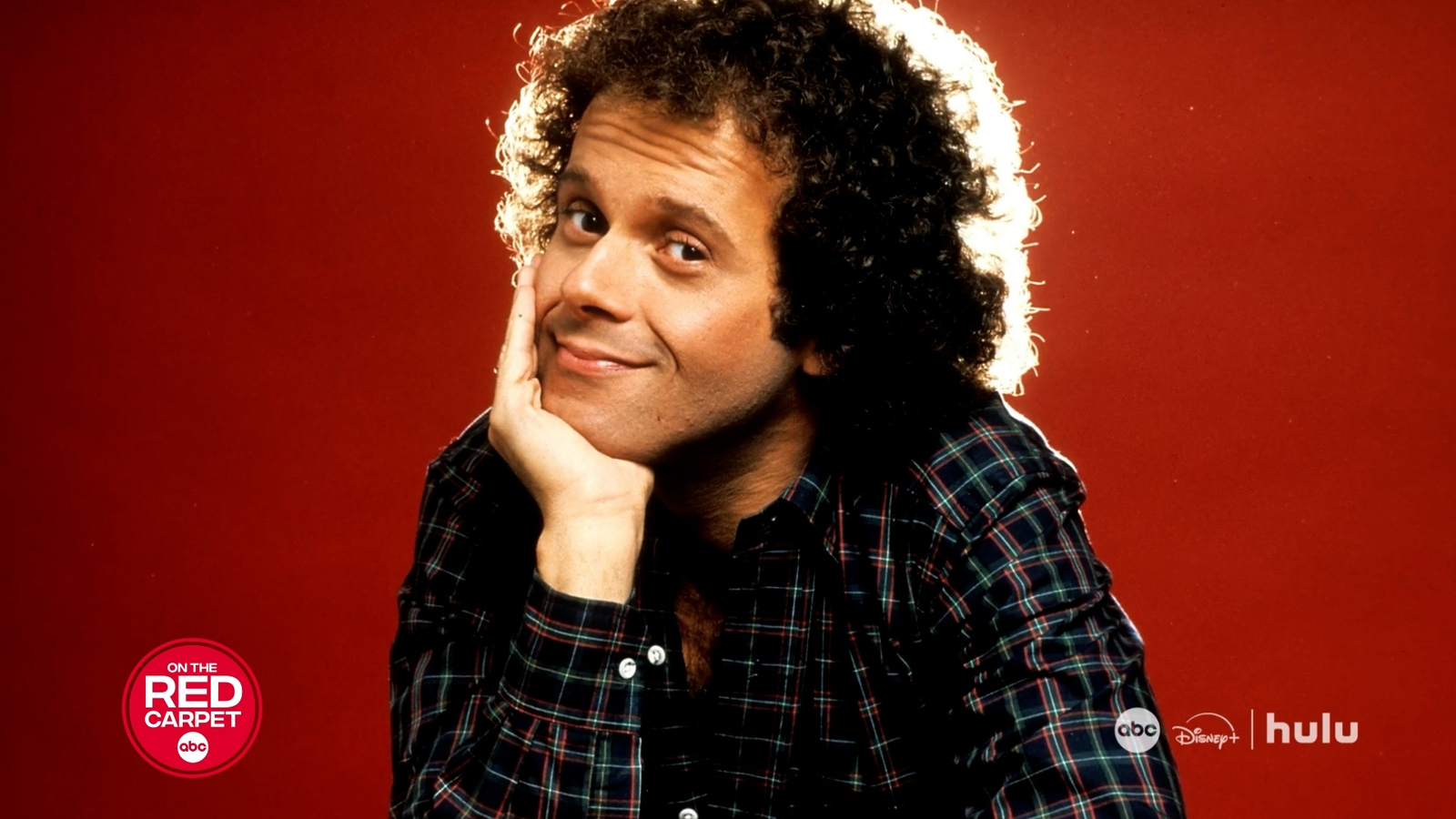
Simmons’ ascent in the late 1970s was predicated on a disruptive, mission-driven business model. While contemporary fitness trends favored exclusionary, high-intensity aerobics, Simmons targeted the underserved demographic of individuals seeking empathy and inclusivity. His tenure on General Hospital and the commercial success of Sweatin’ to the Oldies established a brand rooted in motivational psychology rather than mere physical optimization.
Journalist Diane Sawyer notes that this inclusive philosophy was the engine of his longevity. By centering his narrative on vulnerability, Simmons created a parasocial bond so strong that his eventual absence created a significant narrative vacuum, which investigative media has since sought to fill through retrospective analysis.
Legacy Management in the Post-Public Phase
The final decade of Simmons’ life, ending on July 11, 2024, at age 76, serves as a testament to the efficacy of his inner circle’s protective stance. The silence maintained by his staff, particularly Reveles, functioned as a defensive barrier against the commodification of his private life. This period of reclusion forced a shift in media discourse from active tabloid coverage to structural deconstruction of his life’s work.
The ABC News special, The Mystery of Richard Simmons, exemplifies this shift. By mapping the psychological pressures that necessitate withdrawal, the documentary moves beyond speculation into a critique of how the public processes the loss of cultural icons. It frames his retreat not as a crisis of identity, but as a final exercise in personal agency.
Reframing the Celebrity Lifecycle
Simmons’ trajectory—from 1980s hyper-activity to total guardedness—provides a comprehensive view of the lifecycle of a modern brand. His story challenges the conventional expectation that public figures must remain visible until death or formal retirement. Instead, Simmons demonstrated that privacy can be a deliberate, managed phase of a career, rather than a symptom of failure or decline.
The resulting legacy is one of complexity. By prioritizing personal choice over public consumption, Simmons and his estate have preserved a version of his history that is defined by his own terms. This precedent will likely influence future discourse regarding the ethics of public scrutiny and the right of public figures to define their own exits from the cultural stage.