Synoptic Stagnation and Systemic Vulnerability
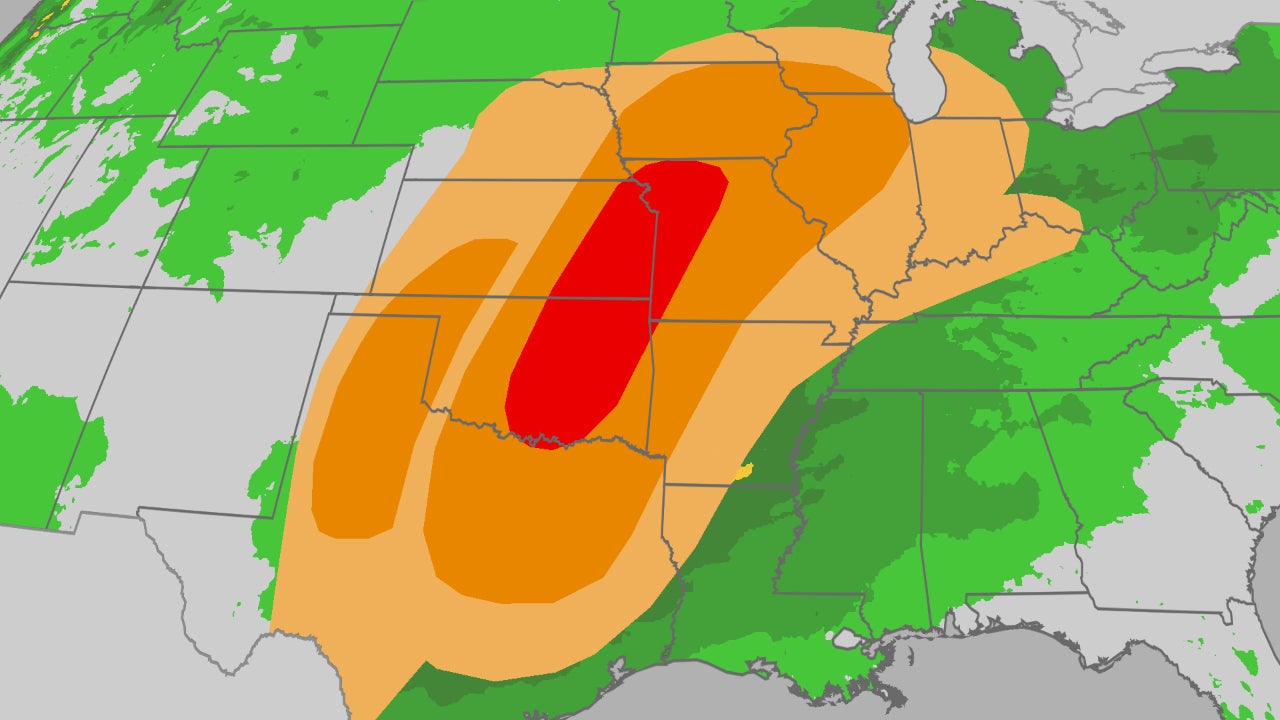
The severe weather sequence initiated in early March 2026 serves as a definitive stress test for the critical infrastructure of the U.S. midsection. Characterized by a stagnant synoptic pattern, this multi-day event spanning from Texas to Wisconsin highlights the operational friction of managing concurrent high-impact threats. The persistence of this atmospheric block suggests a contraction of recovery windows, heightening the probability of secondary failures in municipal and utility frameworks.
Asset Fragility and Logistical Bottlenecks
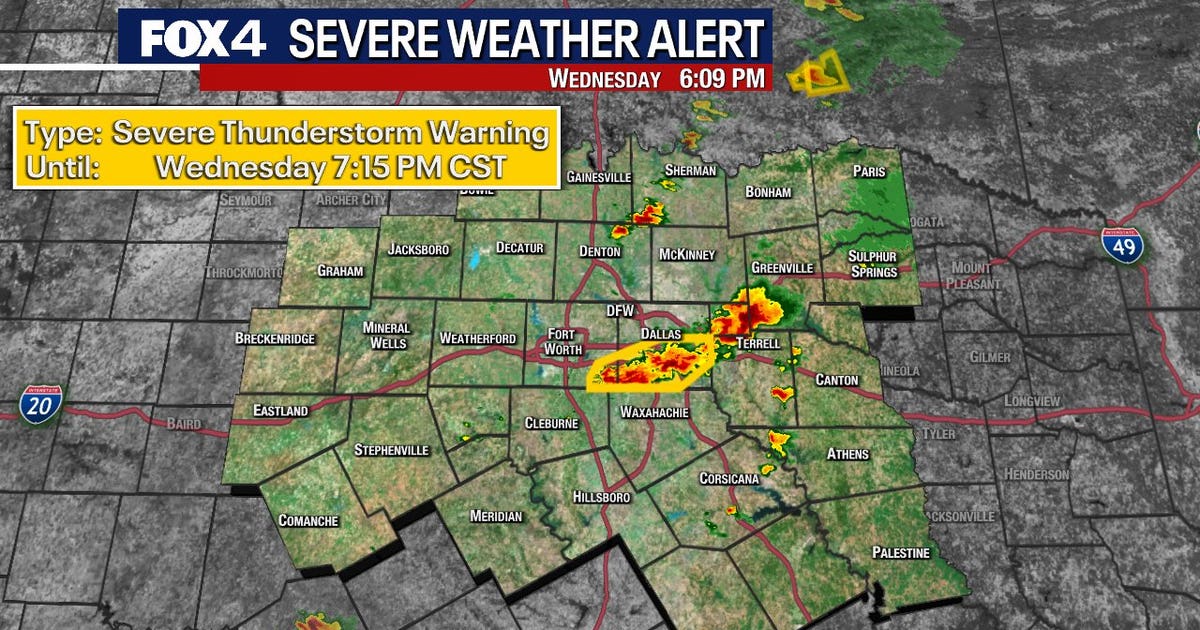
Structural failures, such as the roof collapse in Garland, provide critical data for commercial real estate risk assessment. These incidents underscore the capital exposure of aging industrial assets under extreme precipitation loads. Simultaneously, flooding in Alvarado demonstrates drainage capacity limitations at key logistical nodes. For the North Texas freight network, these localized disruptions necessitate costly transit redirections, impacting interstate commerce efficiency and escalating operational overhead.
The Dryline-Supercell Nexus: Strategic Forecasting
The development of hail-producing supercells along the western dryline demands high-precision meteorological integration. While localized warnings are essential for life-safety, the broad geographic threat across Oklahoma, Kansas, and Missouri challenges the scalability of emergency management. For the agricultural sector, the timing of this volatility introduces significant uncertainty into early-season crop cycles and livestock protection strategies.
Actuarial Recalibration and Peril Attribution
Increasing tornado frequency in March is forcing a fundamental shift in insurance industry modeling. The 2026 outbreak validates an expanding ‘tornado season,’ necessitating a repricing of risk for property owners in high-velocity corridors. The complexity of concurrent perils—hail, wind, and inundation—creates a challenging claims environment where precise peril attribution is required to manage aggregate loss triggers in the reinsurance market.
Communication Latency and Grid Reliability
Rapidly evolving warnings for Parker and Van Zandt counties highlight the necessity of agile communication. Beyond ‘warning fatigue,’ the primary institutional challenge remains maintaining grid stability. Significant lightning activity in North Texas directly threatens electrical infrastructure, requiring hazardous-condition deployments to mitigate commercial downtime. Multi-jurisdictional coordination is vital as the storm front migrates toward the Midwest, requiring standardized mutual aid protocols.
Resilience Economics: Long-Term Strategic Outlook
This outbreak acts as a catalyst for revised urban planning and infrastructure hardening. Recurring ‘stuck’ weather patterns indicate that current building codes may be obsolete against evolving atmospheric volatility. Strategic investment in reinforced roofing and advanced hydrological diversion is no longer optional; it is a prerequisite for regional economic continuity. The lessons from the March 2026 siege will drive the integration of advanced forecasting and robust insurance frameworks for the next decade.