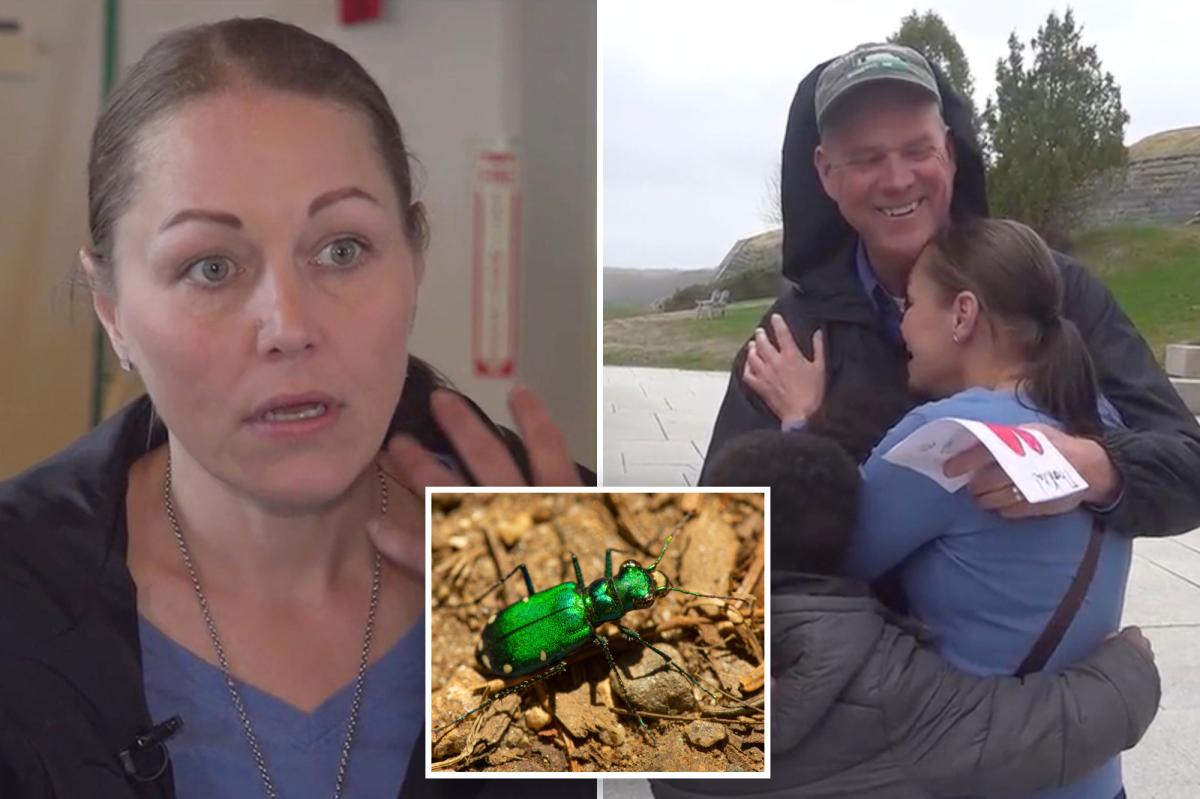
A recent life-threatening anaphylactic event at Fort Knox State Park provides a critical case study in public site risk mitigation and the operational value of veteran expertise. When visitor Antoinette Webb suffered a systemic allergic reaction to a coleoptera (beetle) toxin, the successful intervention by site leadership highlighted the precarious nature of emergency response in remote historical locations. This incident underscores the necessity of high-fidelity medical training within administrative roles to bridge the gap between symptom onset and professional EMS arrival.
Strategic Human Capital: The Veteran Medical Advantage
The survival of the patient was predicated on the professional background of Dean Martin, Executive Director of the Friends of Fort Knox. Martin’s 24-year tenure as a U.S. Army medic provided the clinical composure required to manage a rapidly deteriorating airway and secondary symptoms, including cianosis and vision loss. This skill transferability from military medicine to non-profit management represents a significant asset for organizations overseeing high-traffic public assets, where the cognitive load of crisis management can overwhelm standard first-aid training.
In this high-acuity scenario, Martin performed simultaneous triage, 9-1-1 coordination, and pharmacological intervention. This level of multi-channel crisis management mitigated potential organizational liability and prevented a fatality. For public-private partnerships (PPPs) managing state lands, recruiting staff with advanced emergency backgrounds serves as a proactive risk-transfer strategy, ensuring that the first tier of response is capable of advanced stabilization.
Institutional Infrastructure and Emergency Egress
The geography of Fort Knox presents unique challenges to emergency egress. The patient’s decision to bypass established, winding pedestrian paths for a direct ascent toward the gift shop—the site’s de facto operational hub—reveals a tension between historical preservation and emergency accessibility. Site administrators must evaluate whether current pathing and signage support rapid movement during physiological distress, or if the aesthetic of the landmark creates latent safety hazards.
Furthermore, the reliance on the gift shop as a primary triage center highlights the need for centralized emergency resources. The presence of staff members Sherry and Alex was vital for logistical support, including the management of minor dependents during the crisis. This holistic response suggests that safety protocols must extend beyond medical intervention to include the management of the ‘secondary victims’ (family members) to maintain site order and public trust.
Logistical Constraints in Remote Anaphylaxis Management
The administration of oral antihistamines (Benadryl) served as a temporary palliative measure, yet the severity of the reaction—marked by loss of consciousness—indicates a need for more aggressive on-site intervention tools, such as epinephrine auto-injectors. This event raises policy questions regarding the storage and liability of life-saving medications at state-managed sites. In remote Maine environments, where the ‘golden hour’ of trauma and emergency medicine is often compromised by transit times, the burden of survival rests entirely on immediate bystanders and available site infrastructure.
The biological catalyst—a rare systemic reaction to a native beetle—demonstrates the unpredictability of environmental hazards in public parks. From a risk management perspective, while it is impossible to warn visitors against every ecological variable, the strength of the response infrastructure determines the outcome. The successful resolution of this event protected the region’s tourism reputation and reinforced the perceived safety of Maine’s state park system, turning a potential tragedy into a testament to institutional preparedness.
Conclusion: Formalizing Emergency Competency
The Fort Knox incident demonstrates that while individual initiative saved a life, public safety should not be contingent upon the accidental presence of a veteran medic. It serves as a mandate for the formalization of advanced medical protocols and the potential integration of certified First Responders into park administrative teams. Moving forward, the structural lessons focus on improving the synergy between state agencies and non-profit operators to ensure that remote historical sites are equipped for high-stakes medical emergencies.