Institutional Reporting Gaps and IHR Compliance
The MV Hondius hantavirus outbreak highlights a critical breakdown in the International Health Regulations (IHR) reporting chain. A 21-day latency period existed between the first fatality on April 11 and the World Health Organization (WHO) notification on May 2. This reporting lag suggests significant information asymmetry between Oceanwide Expeditions, the Dutch flag-state authorities, and global health monitors, raising questions about the efficacy of current maritime surveillance protocols.
While the WHO categorized the public risk as low, the decision-making process indicates a strategic effort to contain panic and economic disruption. The rarity of hantavirus in maritime environments—traditionally a terrestrial zoonotic threat—necessitated a cautious investigative posture, specifically regarding potential human-to-human transmission, a factor that would fundamentally alter global biosurveillance requirements.
CDC Level 3 Monitoring and Jurisdictional Strategy
The U.S. Centers for Disease Control and Prevention (CDC) designated the event a Level 3 ‘Watch,’ the lowest emergency tier. This classification is a calculated diplomatic and public health maneuver: it signals active oversight and technical assistance without triggering the draconian travel restrictions or economic sanctions associated with higher tiers. This ‘soft-power’ monitoring allows the CDC to integrate epidemiological data into its global network while respecting the primary jurisdiction of Spanish and Dutch regulators.
Operational Biocontainment: The Tenerife Corridor
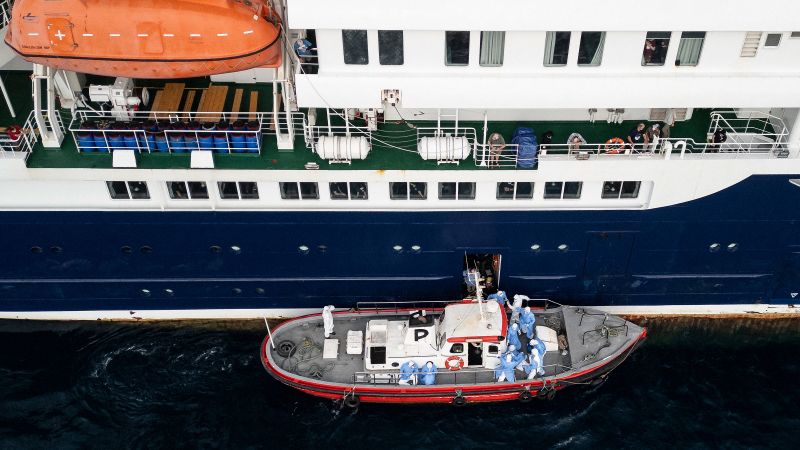
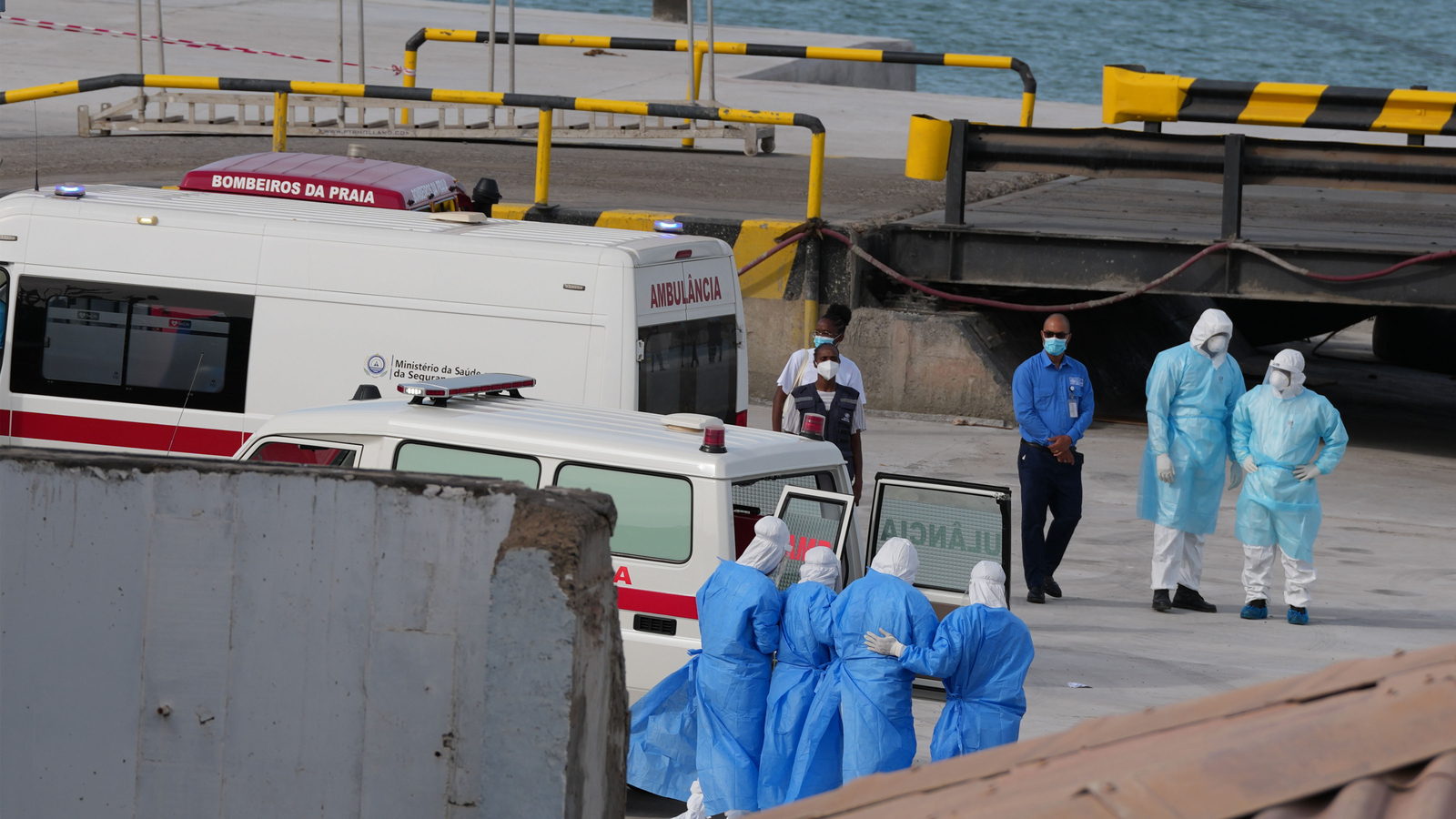
Selecting Tenerife as the disembarkation point was a logistical necessity driven by the port’s specialized health infrastructure. The Spanish response, led by Virginia Barcones, centered on the creation of a ‘sterile corridor’—a cordoned-off environment designed to transition 147 passengers and crew from shipboard quarantine to land-based isolation without local exposure. This operation validates Spain’s role as a regional hub for maritime crisis management in the West African transit zone.
Post-debarkation, the Dutch-flagged vessel must undergo rigorous epidemiological disinfection. This technical requirement is not merely a health measure but a prerequisite for maintaining maritime insurance and operational certifications, highlighting the intersection of pathogen control and commercial viability.
Cross-Sectoral Transmission Risks: Maritime to Aviation
The investigation into a flight attendant who had contact with an infected passenger underscores the risk of ‘viral spillover’ from maritime to aviation sectors. Although the individual tested negative, the incident forced a re-evaluation of contact tracing efficiency in high-traffic transit hubs. This negative result mitigated immediate pressure for broader airline screening but reinforced the need for integrated cross-industry health data sharing.
Stakeholder Exposure and Regulatory Precedents
Oceanwide Expeditions faces acute reputational risk. Their assertions regarding the health of the remaining crew are seen as defensive maneuvers to protect the niche expedition cruise market. Simultaneously, the Netherlands, as the flag state, faces scrutiny over its oversight of shipboard rodent control—the traditional vector for hantavirus. The Spanish investigation’s findings will likely serve as a benchmark for future regulatory standards for vessels operating in isolated biological environments.
The Canary Islands as a Multi-Layered Crisis Hub
The coordination between the Canary Islands’ health officials and Madrid represents a sophisticated multi-layered governance model. By managing the repatriation of 87 passengers through controlled channels, Spain demonstrated the capacity to absorb international biological risks without compromising national security. The success of this containment protocol is a critical test for Spanish emergency services’ ability to handle non-traditional security threats.
Conclusion: Lessons in Global Biosurveillance
The MV Hondius incident is a case study in the tension between maritime commerce and global health security. It emphasizes that the transition from vessel quarantine to land-based isolation is the most vulnerable phase of containment. The resolution of this outbreak will likely trigger a refinement of the IHR reporting timelines and enhance the standard for disinfection protocols within the cruise industry, ensuring that commercial interests do not supersede the imperatives of rapid pathogen detection.