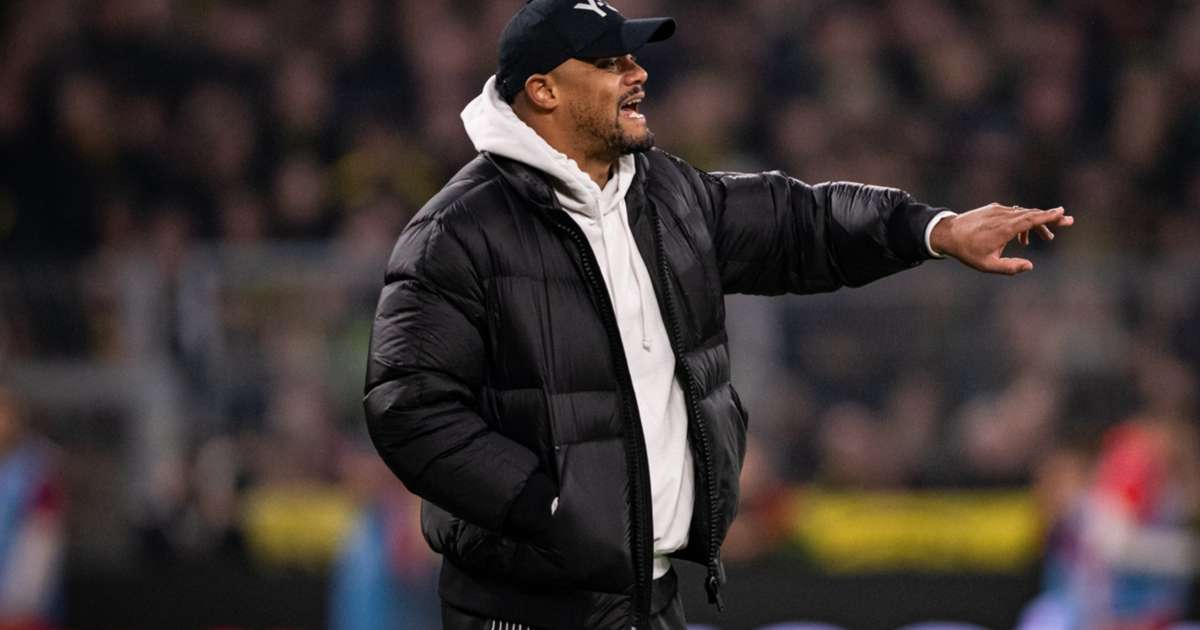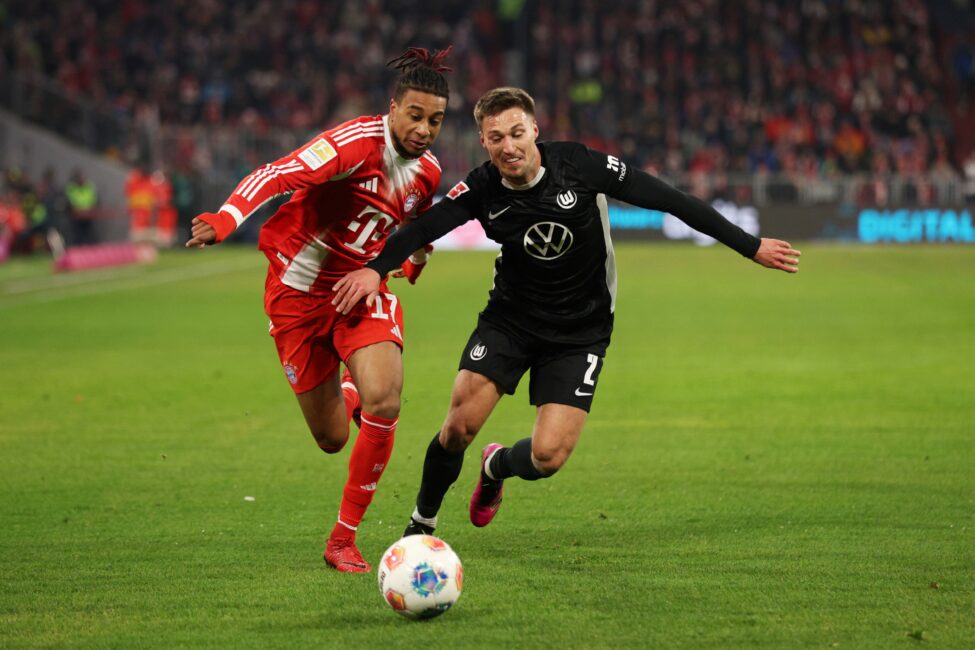
The conclusion of the Bundesliga campaign often reveals a friction between institutional objectives and competitive obligations. Vincent Kompany, overseeing a Bayern Munich side that has already secured its title, has implemented a significant departure from standard operational protocols. By replacing the traditional overnight stay with a condensed 14-hour match-day itinerary for the clash against VfL Wolfsburg, Kompany is prioritizing physiological homeostasis and psychological stability over conventional preparation cycles.
Logistical Innovation and High-Performance Recovery
The transition to a same-day travel model represents a calculated effort to mitigate the cumulative neural and physical fatigue of a 52-game season. Despite a prolific offensive output of 175 goals, the squad has faced immense physical strain across three fronts. This logistical pivot allows players to utilize the superior recovery infrastructure at Säbener Straße and maintain their domestic sleep environments, leveraging familiar settings to optimize the performance window ahead of the 18:30 kickoff.
This strategy is specifically calibrated for the upcoming DFB-Pokal final against Stuttgart. With the league title secured, the internal mandate to achieve a domestic double dictates every operational decision. By minimizing the ‘dead time’ associated with hotel transit, the coaching staff seeks to preserve the squad’s remaining kinetic energy following their high-stakes Champions League exit.
Competitive Meritocracy and the Relegation Nexus
Despite the absence of mathematical stakes for the champions, Kompany has publicly affirmed that intensity levels will not diminish. This commitment is vital for the Bundesliga’s sporting meritocracy; Wolfsburg remains precariously positioned in 16th place, separated from St. Pauli only by goal difference. Any perceived drop in Bayern’s professional standards would compromise the fairness of the relegation struggle, where divisional survival dictates long-term financial viability.
Recent tactical volatility—evidenced by a 4:3 win over Mainz and a 3:3 draw with Heidenheim—depicts a team that is offensively dominant yet defensively susceptible. For Wolfsburg, this creates a high-risk environment: they must neutralize a champion playing without the inhibition of pressure but under strict orders to uphold the league’s competitive equilibrium. The result will reverberate through the bottom of the table, potentially deciding the fate of the relegation playoff.
Commercial Scheduling and Information Asymmetry
The match takes place within a modern broadcasting framework that has evolved beyond the tradition of simultaneous kick-offs. Since the 2020/2021 season, the DFL has utilized staggered scheduling to maximize domestic and international media rights valuation. However, this creates a ‘staggered information flow’ where clubs in the relegation zone must perform with the psychological weight of their rivals’ finalized results, a phenomenon often cited by critics as a form of competitive distortion.
Corporate Interdependence: The Audi-VW Dynamic
The fixture is further nuanced by the ‘piquant’ corporate relationship between the Volkswagen Group and FC Bayern. Audi, a cornerstone shareholder in the Bavarian club, operates under the same parent umbrella as Volkswagen, the primary owner of VfL Wolfsburg. While sporting independence remains paramount, the optics of a subsidiary-backed powerhouse potentially influencing the relegation of its parent company’s flagship asset invites intense scrutiny from sports business analysts.
Strategic Readiness for the DFB-Pokal
For Kompany, the Wolfsburg fixture serves as a live-fire tactical rehearsal. Having recently defeated Stuttgart 4:2 to clinch the title, the staff is utilizing these final league minutes to maintain competitive rhythm without overextending the roster. The 14-hour travel experiment is a testament to this balancing act: ensuring mental sharpness for the DFB-Pokal final while avoiding the burnout associated with prolonged travel. This innovative approach to logistics may eventually become the blueprint for elite clubs managing short-haul domestic fixtures.