Technical Pitching Recalibration and Rotation Stabilization
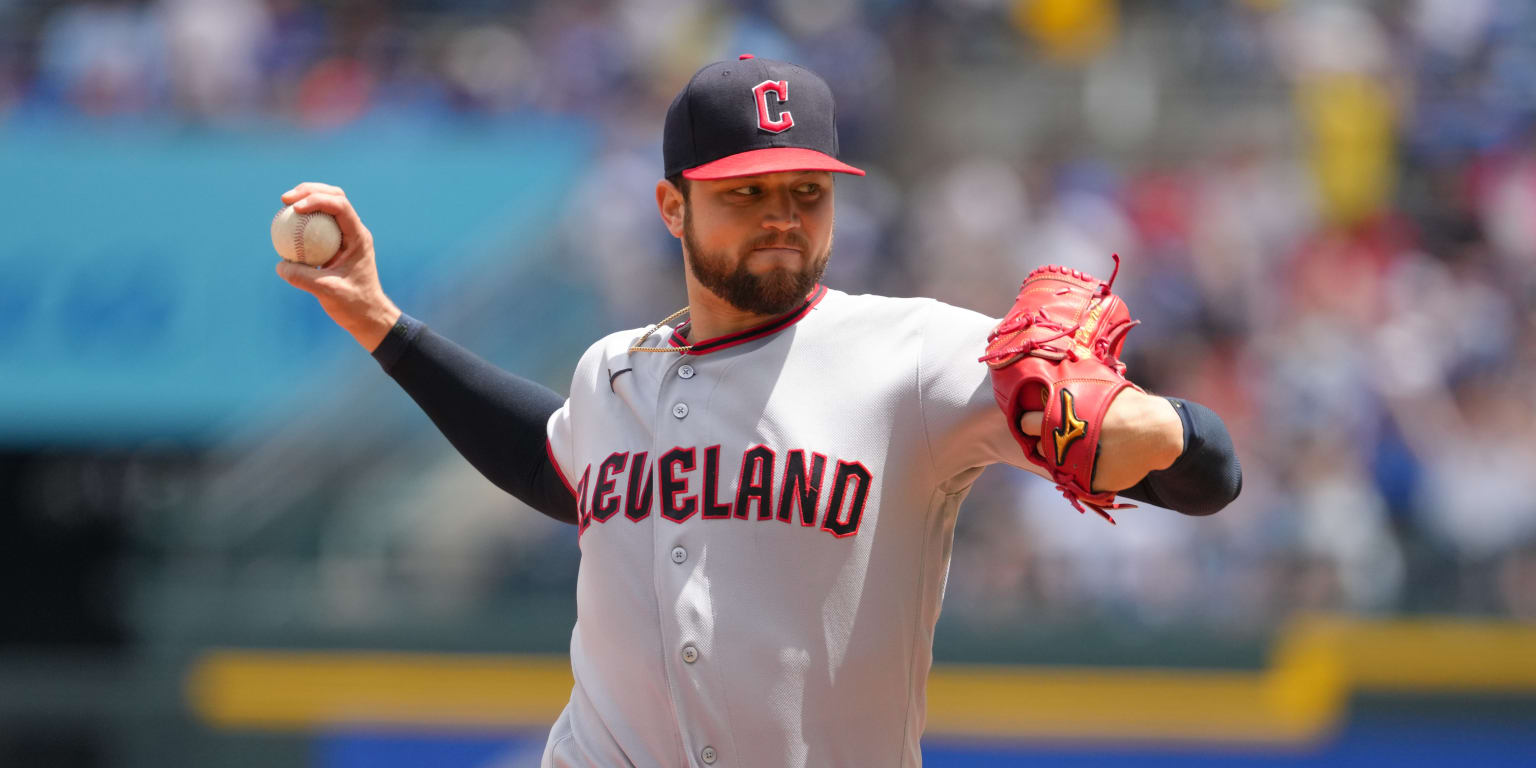
The Cleveland Guardians’ 8-5 victory over the Kansas City Royals on May 7, 2026, serves as a masterclass in mid-series technical calibration. By securing a split in the four-game set, Cleveland stabilized their standing in the American League Central, driven primarily by a fundamental shift in the secondary offering profile of right-hander Slade Cecconi. Facing a 6.56 ERA entering the contest, Cecconi’s performance hinged on a strategic pivot in his curveball’s vertical break.
The decision to revert to a previous grip was a deliberate intervention designed to optimize the ‘tunneling’ effect between his high-velocity fastball and breaking stuff. By increasing the vertical drop, Cecconi forced inefficient contact and whiffs, mitigating the scouting advantages previously held by Royals hitters. This mechanical adjustment allowed Cecconi to navigate high-leverage traffic, stranding leadoff runners in four of the first five innings—a critical metric for a rotation seeking to minimize bullpen tax during a high-stakes divisional road trip.
Managerial Philosophy and the ‘Shape’ of Run Prevention
Manager Stephen Vogt’s pregame emphasis on ‘pitch shapes’ signals an organizational shift toward aesthetic and functional precision in pitch design. Cecconi’s 5 1/3 innings of two-run ball provided the necessary bridge to the high-leverage relief corps, validating Vogt’s focus on deception over raw velocity. This approach protects the primary heater by forcing hitters to account for late-action deviation, a philosophy that proved decisive against a disciplined Kansas City lineup.
Offensive Volatility: The Bo Naylor Breakout
The offensive narrative centered on Bo Naylor, whose three-run home run in the seventh inning provided the definitive separation required for victory. Despite a marginal .143 batting average and a concerning 6:21 walk-to-strikeout ratio through 28 games, Naylor’s performance underscores the front office’s institutional patience. His ability to produce high-impact exit velocity in clutch moments offers a glimpse into the power potential that justifies his presence in the starting lineup despite persistent struggles with plate discipline.
Tactical Sequencing Against Seth Lugo
Cleveland’s success was also predicated on aggressive early-count sequencing against Royals starter Seth Lugo. By recording five hits among their first six batters, the Guardians exploited Lugo’s initial lack of rhythm. Kyle Manzardo’s two-run double in the first inning epitomized this ‘early juice’ strategy, forcing Lugo into defensive pitching patterns and inflating his pitch count. This tactical aggression fundamentally altered the game’s risk profile, allowing Cecconi to pitch with a lead and use his revised arsenal with greater conviction.
Divisional Parity and Roster Sustainability
This victory highlights the delicate balance of the AL Central, where marginal technical gains dictate postseason eligibility. For the Guardians, the success of real-time mechanical corrections like Cecconi’s grip change suggests a robust development pipeline. However, the long-term sustainability of the offense remains under scrutiny; the reliance on high-variance power from low-contact hitters introduces a level of volatility that will test the roster’s depth over a 162-game schedule. Ultimately, the 8-5 win was a triumph of process over statistical trends, demonstrating a strategic flexibility essential for divisional survival.