NBA All-Star Game Reimagines Format, Elevating Competitive Stakes and Betting Market Engagement
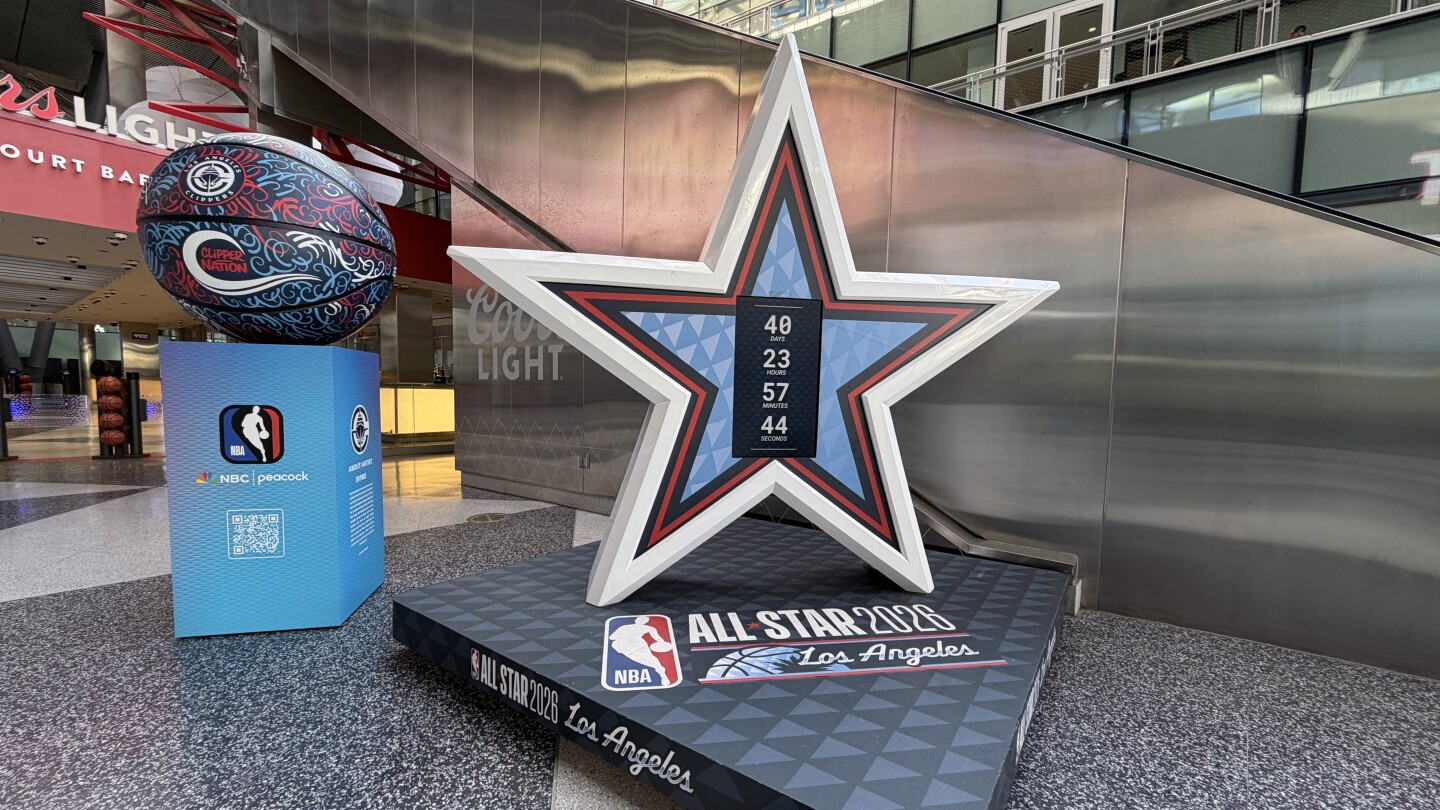
The 2026 NBA All-Star Game, hosted at the Intuit Dome in Inglewood, California, will feature a transformative format shift aimed at increasing competitive intensity and fan engagement. The 24 selected All-Stars will be divided into three distinct teams: Team World (international players) and two American-based teams, Team Stars and Team Stripes. This structural departure from the traditional East vs. West matchup introduces a tournament-style competition, strategically designed to inject a more compelling narrative and competitive fervor into the exhibition event.
The new format implements a round-robin tournament structure with each game limited to 12 minutes. The top two teams will advance to a championship final. This condensed format is intended to encourage more aggressive play and counter criticisms of past All-Star Games lacking intensity. The NBA’s continuous experimentation with its marquee exhibition event reflects a broader industry trend of leveraging evolving event structures to enhance fan engagement and capitalize on commercial opportunities.
Sportsbooks have swiftly integrated the new format into their markets, establishing clear odds and identifying favorites. Team World is currently listed as the +155 favorite, followed by Team Stripes at +170 and Team Stars at +200. These odds suggest a perceived parity among the teams, with a slight edge attributed to the international contingent, potentially reflecting the league’s growing global talent. The proactive establishment of betting markets underscores the All-Star Game’s integration into the wider sports betting ecosystem, where format changes directly influence market dynamics and betting strategies.
Individually, Spurs center Victor Wembanyama leads the MVP betting market at +280, followed by Jaylen Brown (+750) and Anthony Edwards (+900). These odds highlight the league’s emphasis on individual star power as a driver of fan interest and commercial appeal, even within a team-centric tournament. The prominence of the MVP market provides bettors with a focused opportunity beyond team outcomes.
All-Star Weekend: A Multifaceted Commercial and Cultural Nexus
Beyond the main event, the All-Star Weekend encompasses a diverse array of programming designed to maximize fan engagement and commercial partnerships. The schedule includes traditional fan-favorite competitions like the 3-Point Contest and Dunk Contest, the Rising Stars Challenge, and a notable HBCU college game. This diversified approach caters to a broad spectrum of fan interests, from skill-based showcases to entertainment-driven spectacles, thereby expanding the event’s appeal and commercial reach.
The integration of musical performances, such as Ludacris on All-Star Saturday night, signifies the NBA’s strategy to blend sports with popular culture. This fusion is crucial for attracting younger demographics and enhancing the event’s broader cultural relevance, extending the NBA’s brand influence beyond the core basketball audience and creating a more immersive entertainment product for monetization.
Fan fests and brand activations by prominent apparel and footwear companies across Los Angeles further illustrate the robust commercial ecosystem surrounding the All-Star Weekend. These activations serve as vital platforms for brands to engage directly with consumers, launch new products, and reinforce their association with NBA talent, transforming the host city into a temporary epicenter of basketball culture and commerce.
The NBA’s strategic scheduling, spanning Friday through Sunday, aims to sustain audience attention and maximize media exposure. Events like the NBA All-Star Celebrity Game and Commissioner Adam Silver’s press conference, broadcast on ESPN and NBA TV respectively, ensure continuous coverage and engagement, maximizing opportunities for media partners and sponsors.
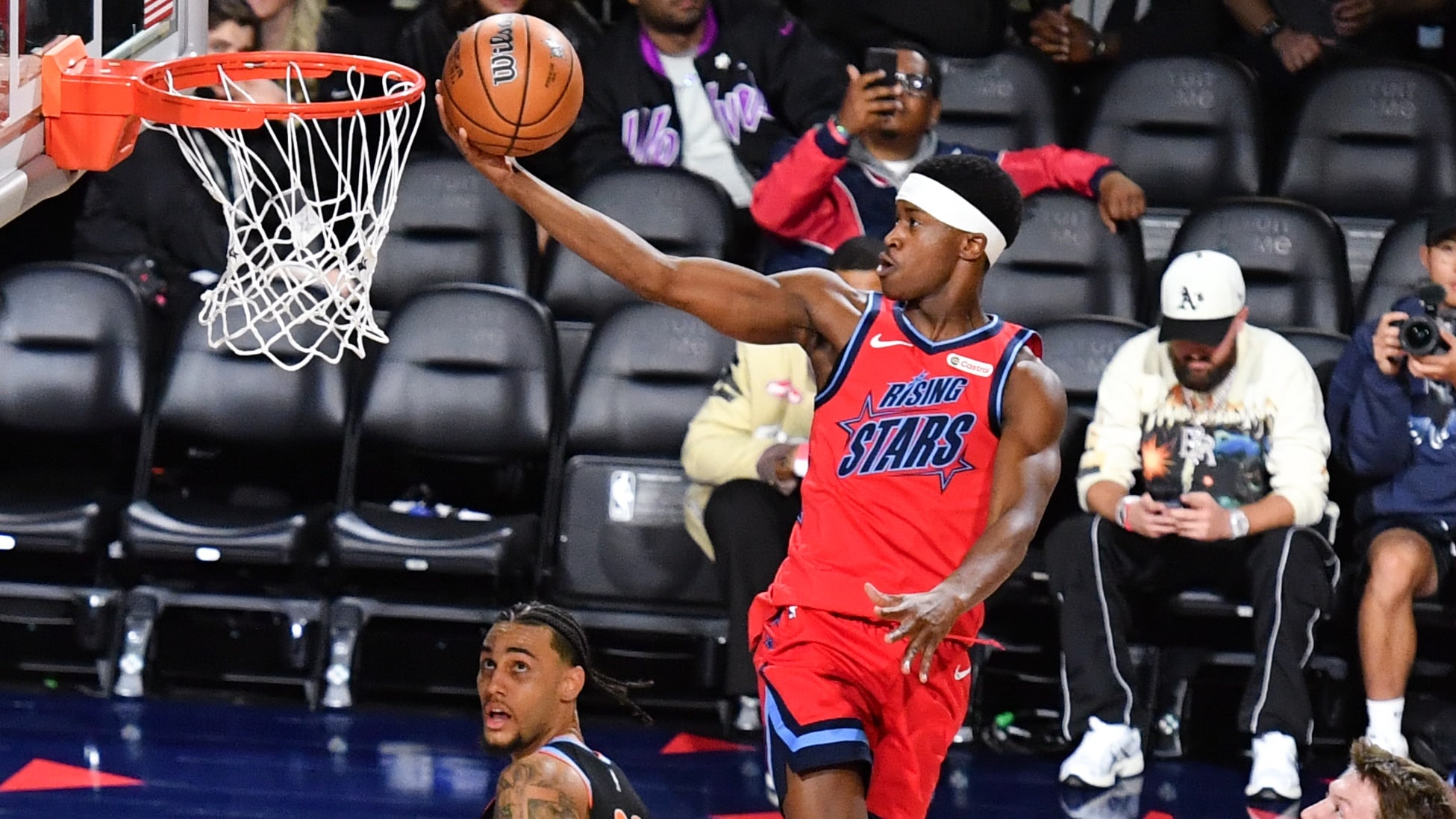
The Rising Stars Challenge, with its own distinct matchups and championship, highlights emerging talent across various media platforms. Utilizing services like Peacock for exclusive broadcasts demonstrates the league’s strategy to reach diverse audience segments in a fragmented media landscape.
Hosting the All-Star Game at the state-of-the-art Intuit Dome enhances the spectator experience through advanced technology and amenities, elevating the event’s prestige and attractiveness to sponsors. The venue choice significantly impacts the overall branding and commercial success of major sporting events.
The NBA’s ongoing efforts to innovate the All-Star Game format, integrate cultural elements, and leverage diverse media platforms represent a strategic imperative to maintain relevance and drive revenue in a competitive entertainment market. These adjustments are calculated responses to evolving fan expectations and the commercial realities of modern sports leagues, showcasing the NBA’s sophisticated understanding of brand management and market dynamics.
The financial implications of these format changes and expanded programming are substantial. Increased fan engagement, driven by heightened competitive stakes, translates to higher viewership and advertising revenue. The robust betting market adds another layer of economic activity, benefiting sportsbooks, media covering betting, and potentially the league through data partnerships.
The strategic division of American players into Team Stars and Team Stripes could foster an intense, intra-American rivalry, potentially increasing player motivation and fan interest in these domestic dynamics. This segmentation enriches the event’s appeal by creating compelling storylines and highlighting individual performances within defined contexts.
The league’s consistent experimentation with the All-Star Game format, including previous shifts to captain-picked drafts or returning to the conference format, demonstrates a proactive approach to event management. This iterative process of evaluation and adaptation is crucial for maintaining appeal across generations and evolving media consumption habits.
The market’s strong focus on Victor Wembanyama as the MVP favorite, despite the new team format, underscores the enduring power of individual narratives in the NBA. This duality of team-based competition and individual stardom is a delicate balance the NBA navigates to maximize its commercial and cultural impact.
The inclusion of an HBCU college game highlights the foundational role of Historically Black Colleges and Universities in basketball history and player development, aligning with social responsibility initiatives. This integration broadens the event’s cultural footprint and reinforces the league’s commitment to diversity and inclusion.
The strategic placement of Commissioner Adam Silver’s press conference on NBA TV provides a direct channel for league leadership to address key issues, shape narratives, and engage with the media, influencing public perception and industry expectations.
The overall architecture of the 2026 NBA All-Star Weekend, from its revamped game format to its diverse entertainment and commercial activations, represents a sophisticated model for maximizing engagement and revenue. It underscores the league’s adaptability and innovation, ensuring its premier exhibition event remains a significant cultural and economic force.