Bravo Personalities Analyze Summer House Relationship Dynamics
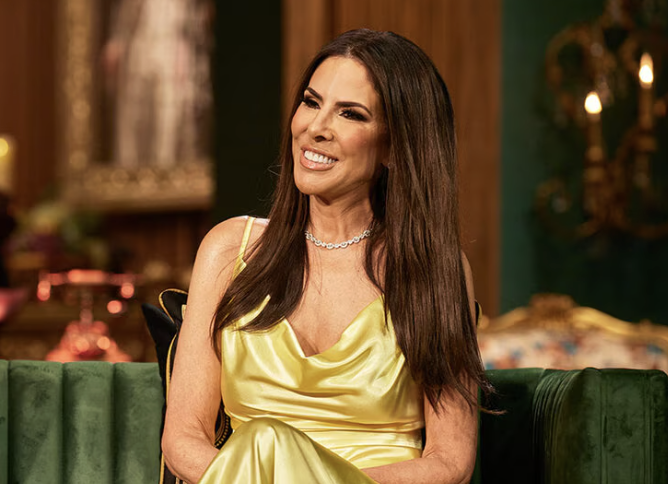
The interpersonal drama surrounding West Wilson and Amanda Batula on Bravo’s Summer House has drawn commentary from veteran reality stars Margaret Josephs and Jenn Fessler. Speaking at Vulture’s Reality Masterminds event, the Real Housewives of New Jersey alums provided distinct perspectives on the fallout from Wilson and Batula’s confirmed relationship, which has caused significant friction with Wilson’s ex, Ciara Miller.
Margaret Josephs offered a pragmatic view, suggesting that the revelation of West and Amanda’s relationship, while painful for Ciara Miller, ultimately benefits Miller. Josephs’ assertion that Miller should write them a “thank you note” frames the discovery as a catalyst for clarity and moving forward, rather than solely a betrayal.
Conversely, Jenn Fessler adopted a more sympathetic stance towards West Wilson, describing him as a “cutest, sweetest golden retriever puppy dog” who “does not mean any harm.” Fessler’s portrayal positions Wilson as an innocent figure navigating the complex social dynamics inherent in reality television relationships, suggesting his actions stemmed from good intentions rather than malice.
Josephs, while acknowledging Fessler’s characterization, delivered a more pointed, albeit humorous, observation, comparing Wilson to “the Temu Benson Boone.” This lighthearted jab subtly suggests a perception of Wilson as perhaps less sophisticated or more easily influenced, a trait that could contribute to the unfolding romantic complications. The contrast between Fessler’s protective stance and Josephs’ more critical, jocular assessment highlights the subjective nature of interpreting Wilson’s role.
The commentary from Josephs and Fessler underscores the significant audience engagement and ongoing discussion generated by interpersonal dramas within Bravo’s reality programming. Their differing viewpoints illustrate how complex social interactions are interpreted differently when viewed through the lens of highly produced television.
Fessler’s defense of Wilson, emphasizing he “didn’t mean it” and was “just trying to have a good time,” points to potential youthful exuberance or a lack of full comprehension of consequences. This framing suggests the backlash against Wilson might be disproportionate to his perceived intent, advocating for a more lenient reception.
Leaked audio from the upcoming Summer House Season 10 reunion reportedly features Ciara Miller labeling Amanda Batula a “snake in the f*cking grass,” indicating the conflict’s escalation and its central role in the reunion special. This suggests a deliberate heightening of narrative tension for broadcast, leveraging existing cast dynamics and audience investment.
The broader context of Bravo’s reality shows often involves complex relationships, betrayals, and reconciliations, consistently driving audience demand. The Summer House scandal fits this pattern, resonating with viewers and fueling engagement across social media and fan communities.
Josephs’ advice to Miller to “write them a thank you note” can be interpreted as strategic guidance for emotional detachment and self-preservation amidst public scrutiny and dramatization common in reality TV.
The divergence between Josephs and Fessler mirrors a common fan dynamic: forming allegiances and defending individuals based on perceived character or narrative arcs. Fessler’s defense suggests a belief in Wilson’s good nature, while Josephs’ pragmatic approach reflects a seasoned understanding of reality TV’s inherent complexities and potential for relational fallout.
The “Temu Benson Boone” comparison, while humorous, could allude to broader cultural trends associating Temu with affordability and mass-market appeal, potentially implying Wilson is perceived as a more accessible figure contributing to the romantic entanglements.
The fact that “most of the cast has rallied behind Ciara amid the messy fallout” suggests a prevailing sentiment within the Summer House ensemble that aligns with Miller’s perspective, potentially isolating Wilson and Batula.
The engagement of figures like Josephs and Fessler in current Bravo dramas maintains their relevance within the fan community, leveraging established personas to remain part of the ongoing conversation.
The strategic platform of Vulture’s Reality Masterminds amplifies these comments, showcasing the media’s role in shaping public perception of reality television narratives.
Ultimately, Josephs’ and Fessler’s contrasting interpretations of West Wilson’s actions highlight the multifaceted nature of reality TV storytelling. One offers pragmatic clarity, the other empathetic understanding, both fueling public fascination with the Summer House drama.
The sustained interest in the Summer House scandal, amplified by seasoned reality personalities, confirms the genre’s enduring appeal in relationship-driven narratives, feeding the production-consumption cycle.
Bravo’s strategic decision to air a reunion likely delving into these conflicts capitalizes on heightened audience interest, with leaked audio hinting at intense cast reactions for dramatic impact.
The public division noted by Fessler, with “fans completely divided online,” demonstrates reality TV’s power to elicit strong emotional responses and foster debate, driving viewership and social media engagement.
The commentary touches upon broader themes of loyalty, betrayal, and accountability under public broadcast scrutiny, central to reality TV’s enduring appeal and viewers’ engagement with dramatized human experiences.
The contrasting viewpoints on Wilson’s character and culpability underscore the subjective nature of perception in reality television, fueling passionate fan debates.
The continued commentary from legacy talent like Fessler and Josephs demonstrates a symbiotic relationship with current productions, bridging generational shifts and maintaining recognizable personalities for long-term viewers.