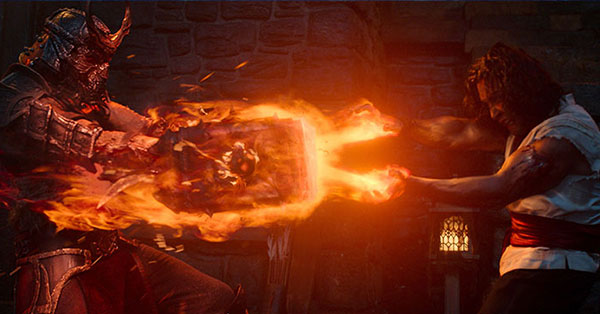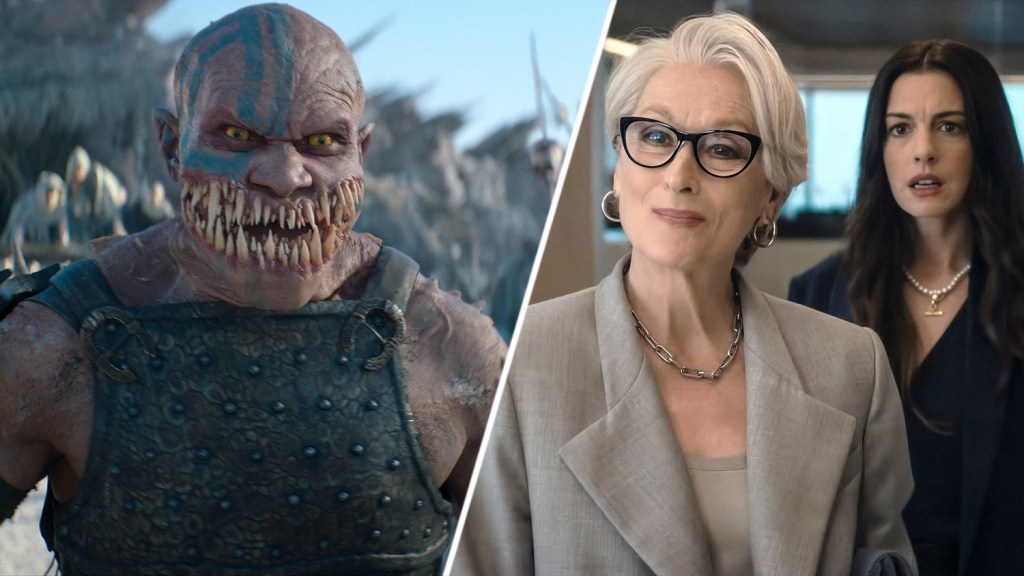
The simultaneous release of New Line’s Mortal Kombat II and 20th Century’s The Devil Wears Prada 2 represents a sophisticated exercise in demographic counter-programming. Tracking toward a weekend domestic opening of $40–$42 million, both titles illustrate a rare market equilibrium where disparate consumer segments—the male-oriented action demographic and the female-skewing legacy sequel audience—command equal fiscal weight. This parity validates a distribution model that prioritizes targeted saturation over broad-spectrum appeal.
Fiscal Discipline and Production Lifecycle
New Line Cinema’s $80 million allocation for Mortal Kombat II demonstrates a strategic pivot toward mid-to-high budget franchise management. By maintaining a sub-$100 million production threshold, the studio optimizes its break-even point while preserving liquidity for high-fidelity visual effects. The $17.5 million Friday surge—including previews—indicates a front-loaded performance characteristic of fan-driven IPs. This initial capital injection provides the necessary momentum to sustain the title through its first two weeks of domestic distribution, a critical window for theatrical ROI.
The five-year development cycle since the 2021 reboot suggests institutional patience, allowing production teams to integrate audience feedback regarding narrative depth and combat choreography. This refinement cycle serves as a hedge against the ‘sequel fatigue’ often seen in rapid-fire releases, effectively bolstering brand integrity for the long-term viability of the Mortal Kombat cinematic universe.
The Leverage of Premium Large Formats (PLFs)
A pivotal component of the Mortal Kombat II strategy is its dominance in Premium Large Formats (PLFs) like IMAX. Despite a lower theater count of 3,503—compared to 4,200 for The Devil Wears Prada 2—the film maintains revenue parity by capturing higher average ticket prices. This reliance on high-margin exhibition tiers extracts maximum value from the core enthusiast base and mitigates the impact of lower overall attendance volume. Consequently, MKII is projected to significantly outperform its competitors in revenue-per-screen metrics.
For exhibitors, this synergy between high-fidelity action and premium technology is a cornerstone of the post-pandemic recovery model. It incentivizes continued investment in spectacles that cannot be replicated in a home-viewing environment, further insulating the theatrical window from streaming encroachment.
Market Diversification and Competitive Dynamics
The box office ‘deadlock’ is further complicated by the presence of Michael, the Michael Jackson biopic, and Billie Eilish’s concert film. This landscape indicates a diversified consumer appetite, reducing industry reliance on the superhero genre for seasonal growth. The Devil Wears Prada 2, specifically, shows remarkable stability with a projected 45–48% second-weekend decline, echoing the trajectory of the 2006 original and validating the decision to revisit legacy IPs for mature audiences.
Strategic casting, such as Karl Urban as Johnny Cage, serves as a marketing anchor, bridging the gap between hardcore gamers and casual genre viewers. As video game adaptations enter a new era of commercial reliability, the success of MKII reinforces the narrative that specialized production houses—like Atomic Monster—are uniquely equipped to manage high-concept genre intellectual property.