Technological Normalization and Offensive Recalibration
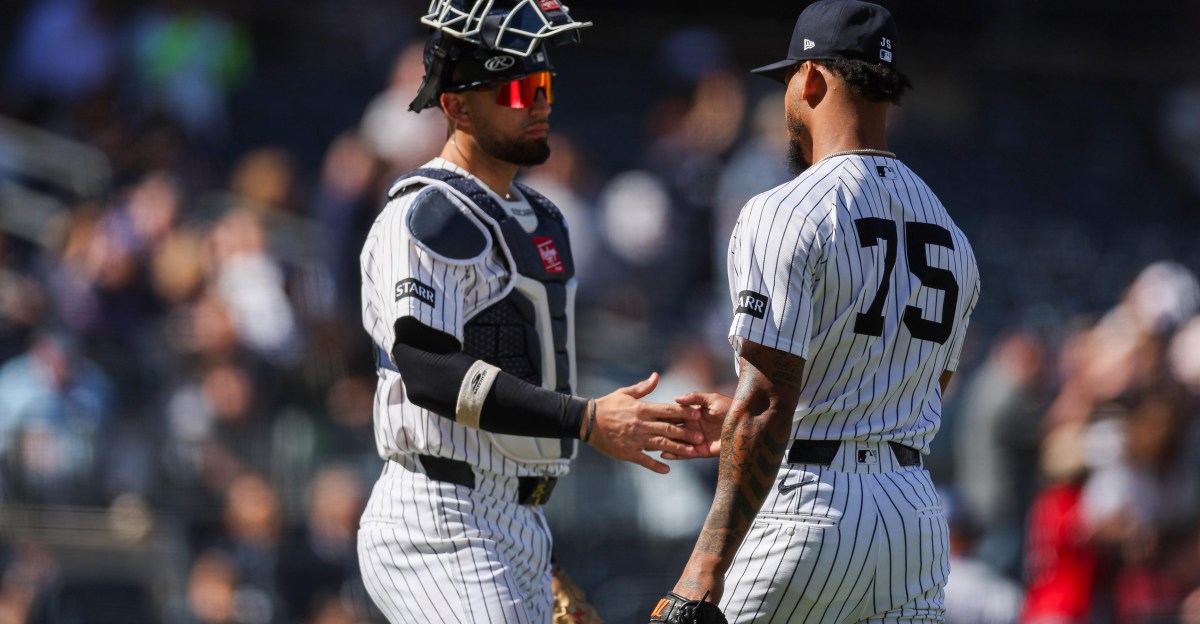
The New York Yankees’ return to American Family Field serves as a definitive case study in the institutional adaptation following the 2025 torpedo bat controversy. What was once a disruptive technological anomaly has transitioned into a standardized variable within Major League Baseball’s competitive ecosystem. The Yankees’ historic 36-14 scoring output in the previous season’s opener remains the benchmark for this era, forcing league-wide defensive strategists to transition from containment to active neutralization.
New York’s current total of 61 home runs illustrates a sophisticated capital allocation strategy, prioritizing high-velocity exit tools and developmental optimization. This aggressive investment has maintained the Yankees’ position at the apex of the league’s offensive hierarchy, effectively diminishing the margin for error for opposing rotations. For the Brewers, the 2025 sweep necessitated an organizational pivot, moving away from traditional pitch-to-contact methodologies in favor of a high-variance, high-strikeout model designed to circumvent ball-in-play events entirely.
Misiorowski vs. Fried: A Contrast in Rotational Construction
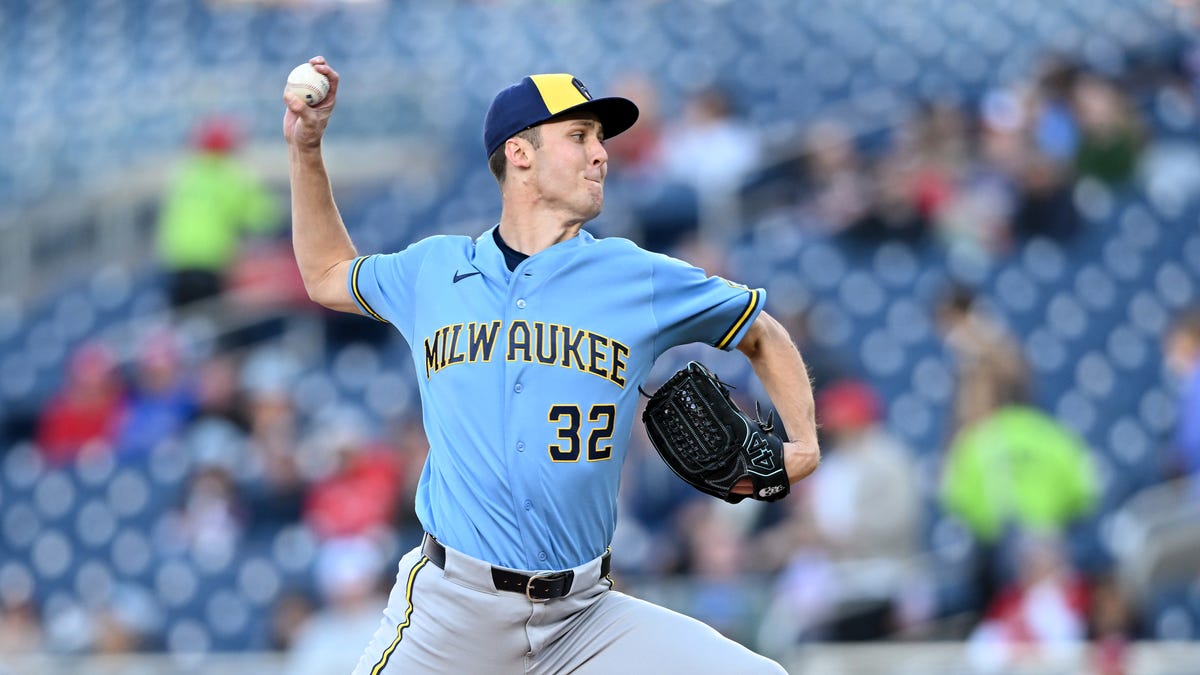
Friday’s series opener highlights two disparate approaches to roster building. Jacob Misiorowski, the flagship product of Milwaukee’s pitching laboratory, brings a 38.1% strikeout rate—a critical countermeasure against the Yankees’ high-slugging floor. Misiorowski’s ability to generate double-digit strikeouts acts as a structural hedge, shortening the game and mitigating the exposure of a bullpen tasked with facing New York’s equipment-driven power surges.
In contrast, the Yankees rely on Max Fried, whose 2.39 ERA and 4-1 record validate a veteran-heavy acquisition strategy. Fried provides the defensive stability required to complement a high-scoring lineup, ensuring that offensive volatility does not compromise the team’s league-leading 26-12 record. This matchup is a diagnostic test of Milwaukee’s internal developmental success against New York’s ability to identify and secure established, high-leverage talent.
Roster Architecture and Market Dynamics
The Yankees’ current dominance is the result of a dual-track construction: integrating veteran cornerstones like Aaron Judge and Cody Bellinger with cost-controlled productivity from Ben Rice and Spencer Jones. This model mitigates long-term financial exposure while maintaining the immediate competitive pressure demanded by the New York market. The transition to Rice at first base reflects an organizational shift toward homegrown efficiency at traditionally high-cost positions, preserving capital for elite pitching acquisitions.
Conversely, the Brewers’ 19-16 standing underscores the operational resilience required of mid-market franchises. Their strategy relies on asymmetric competition—leveraging a young, high-velocity rotation to challenge high-payroll juggernauts. Furthermore, the transition to Brewers.TV as a primary distribution channel signals a move toward media rights autonomy, a necessary evolution to capture the revenue required to retain core talents like William Contreras and Jackson Chourio amidst a shifting regional sports network landscape.
Strategic Implications for the 2026 Campaign
This three-game set functions as a critical performance audit for both organizations. For New York, maintaining their pace is essential to stave off the Braves and Cubs in a tight race for league supremacy. For Milwaukee, the series is a validation of their pitching-first philosophy; if their strikeout-heavy approach fails to suppress the Yankees’ power, it may trigger an aggressive pursuit of defensive reinforcements before the trade deadline. The outcome will likely define the narrative of the 2026 summer campaign, illustrating whether elite technological offense or high-velocity specialization holds the current advantage.