Forensic and Operational Dynamics of the I-880 Incident
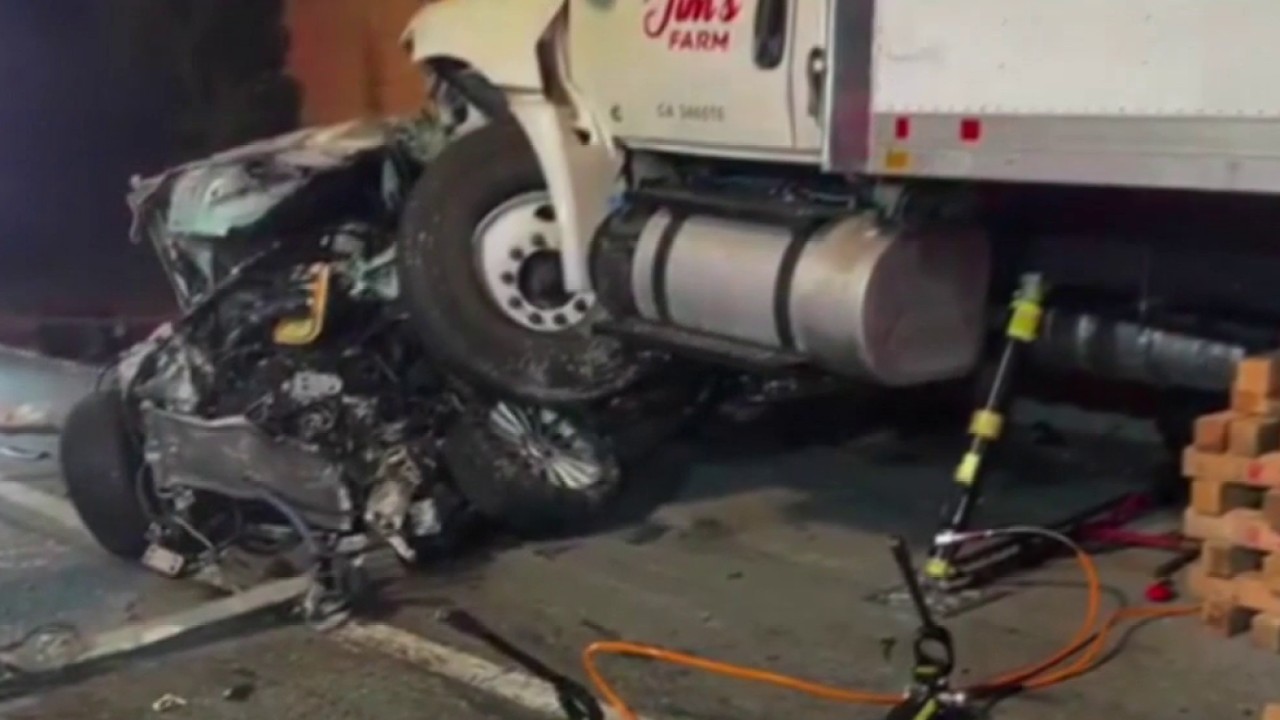
The multi-vehicle collision on Interstate 880 in San Leandro underscores critical challenges in high-speed transit safety. California Highway Patrol (CHP) reports indicate the sequence began with a collision involving a BMW 535i and a Honda Accord, subsequently involving a commercial box truck. This interaction between passenger vehicles and heavy freight highlights the catastrophic risk profile inherent in mixed-traffic high-velocity environments.
Legal Trajectories and Forensic Requirements
The arrest of a 19-year-old suspect introduces significant legal complexities, specifically concerning vehicular manslaughter and driving under the influence (DUI) charges. Beyond the initial crash, the suspect’s reported attempt to flee the scene invokes California’s specific enhancements for willful evasion. Prosecutors will likely leverage vehicle telemetry and forensic reconstruction to establish the timeline between the primary impact and the fatal secondary collision, which is central to determining liability and criminal culpability.
Emergency Response and Infrastructure Strain
The incident necessitated complex extraction procedures due to the structural entrapment of a passenger vehicle beneath a commercial truck. Such scenarios demonstrate the extreme kinetic energy involved in I-880 accidents. For stakeholders, this event serves as a case study for evaluating the efficacy of rapid site management and the broader debate on DUI enforcement strategies in high-traffic corridors.
Societal Implications and Future Safety
The tragedy prompts a re-evaluation of current road safety infrastructure and the efficacy of legal deterrents against impaired operation. As forensic experts reconstruct the chain reaction, the findings will prove essential for insurance liability assessments and potential judicial proceedings. Ultimately, this incident highlights the limitations of current safety protocols when confronted with high-velocity human error, emphasizing the ongoing necessity for more robust enforcement and technological integration in vehicle safety systems.