The National Weather Service (NWS) Wilmington office, in collaboration with Franklin County Emergency Management, has released a definitive damage survey following the severe convective systems that impacted central Ohio. This forensic analysis distinguishes between two discrete meteorological phenomena: an EF1 tornado in South Columbus and a high-velocity straight-line wind event in Upper Arlington. This differentiation is vital for insurance actuarial modeling and municipal risk mitigation, as the mechanical stress of a cyclonic vortex versus the unidirectional pressure of straight-line gusts necessitates different structural reinforcement strategies.
Forensic Meteorology: Divergent Damage Signatures
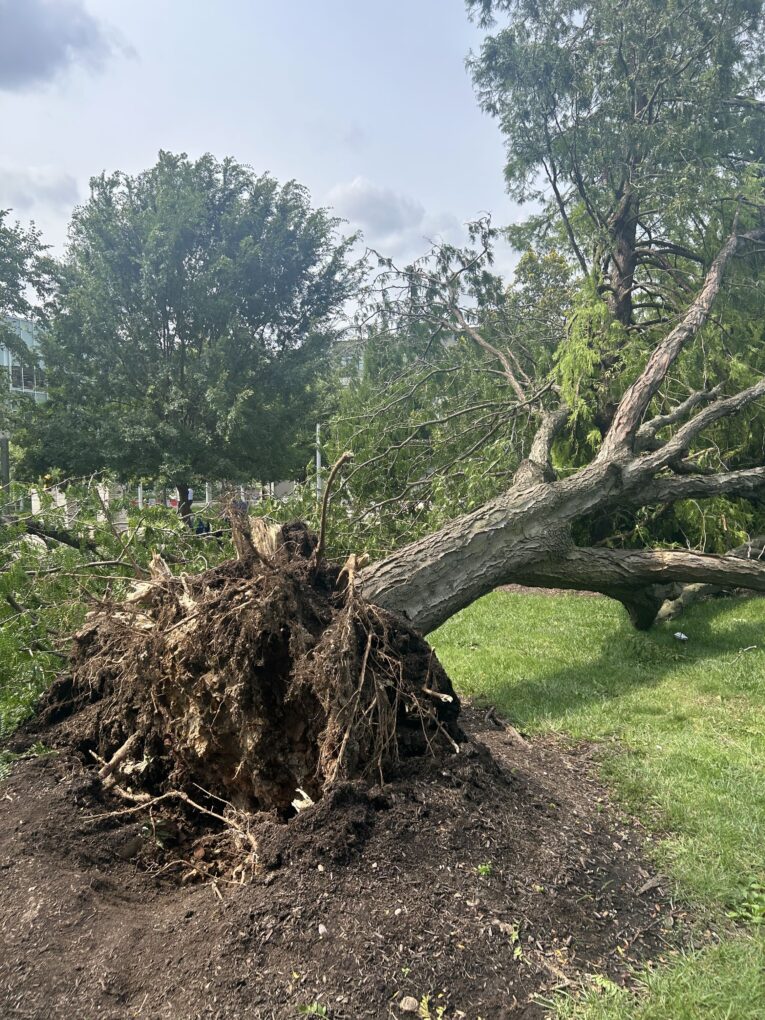
In Upper Arlington, surveyors focused on the corridor spanning Upper Arlington High School to Zollinger Road. The investigation concluded that the destruction—specifically the massive arboreal failures along Mount Holyoke Road and Wellesley Drive—resulted from straight-line winds peaking at 100 mph. The absence of convergent debris patterns confirmed that the damage was driven by a sustained outflow rather than tornadic circulation. These velocities represent a critical failure threshold for mature urban canopies and legacy residential building envelopes.
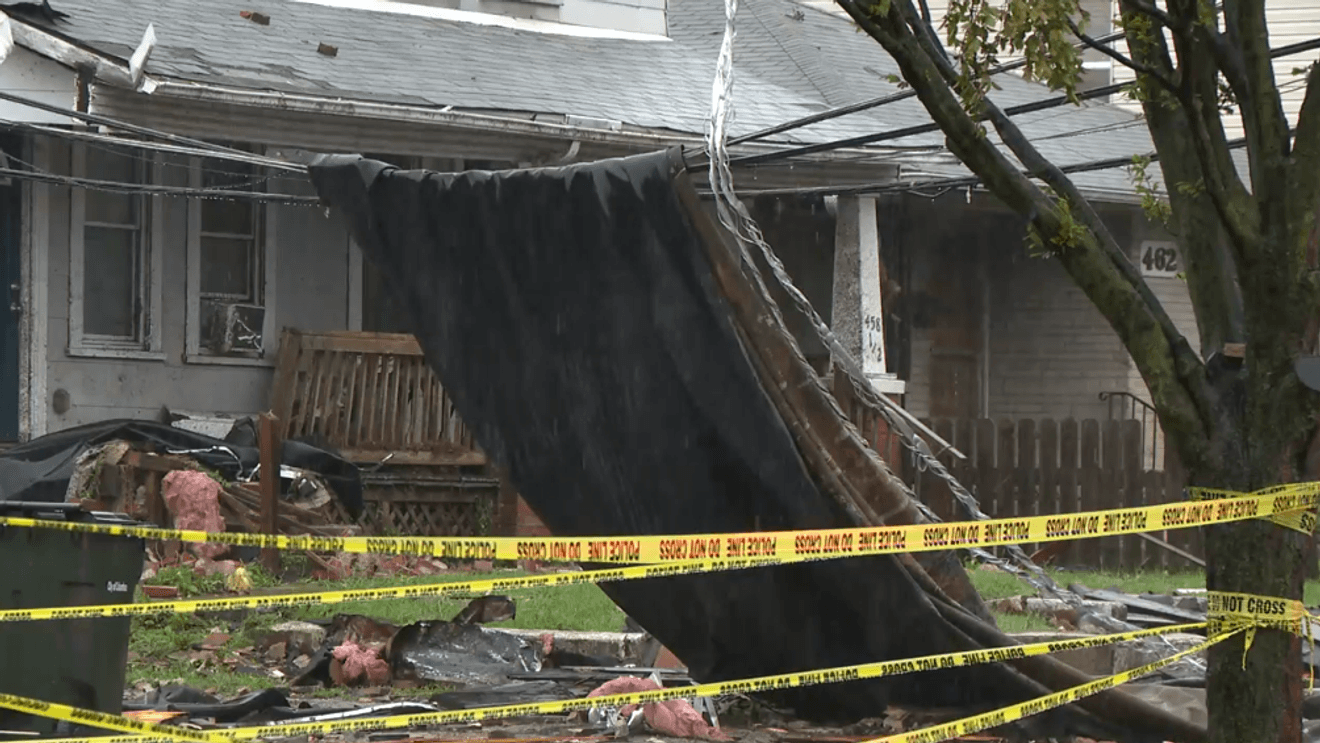
Conversely, the South Columbus survey identified a localized tornadic signature. Starting near East Hinman Avenue and traversing Parsons Avenue through Barack Park, the EF1 tornado demonstrated a concentrated energy path typical of intense storm cell maturation within a densely populated urban grid. This confirms that despite similar peak wind speeds, the geospatial distribution of damage was dictated by the storm’s internal rotational dynamics.
Municipal Load and Operational Reallocation
The event’s severity is quantified by over 350 tree-related emergency reports filed with the City of Columbus. This surge has placed unprecedented operational strain on the Columbus Parks and Recreation department, triggering a cross-departmental mobilization. By diverting staff from routine public works to emergency debris management, the city is addressing a systemic threat to transit corridors and utility stability. This logistical pivot highlights the budgetary volatility inherent in urban disaster recovery, where emergency remediation often pre-empts scheduled infrastructure maintenance.
Cultural Asset Degradation: The Topiary Park Recovery
The storm inflicted significant damage on the city’s historic park system, most notably the Topiary Park. While the topiary figures recreating Seurat’s A Sunday on La Grande Jatte were largely spared, the surrounding mature forest—essential to the site’s aesthetic and ecological microclimate—suffered extensive losses. The uprooting of these decades-old specimens necessitates a specialized arboricultural restoration plan, as the loss of historical arboreal infrastructure cannot be rectified through standard landscaping. This recovery will likely require a synthesis of municipal funding and private heritage grants.
Strategic Resilience and Future Mitigation
The 100 mph threshold recorded in Upper Arlington serves as a benchmark for regional power grid hardening and emergency sheltering protocols. The proximity of peak damage to educational facilities underscores the necessity of high-resolution early warning systems. Ultimately, these NWS findings provide the empirical data required for updating local building codes and refining urban forestry programs to withstand the increasing frequency of high-velocity wind events in the Midwest.